Digital Twins Transform Manufacturing with Real-Time Optimization

Manufacturers are using digital twin technology to create virtual replicas of physical systems, enabling real-time optimization, predictive maintenance, and process simulation. The $48 billion market is growing at 58% annually despite challenges in data integration and cybersecurity.

Digital Twins Transform Manufacturing with Real-Time Optimization
Share
Edition: EN

The Rise of Digital Twin Technology

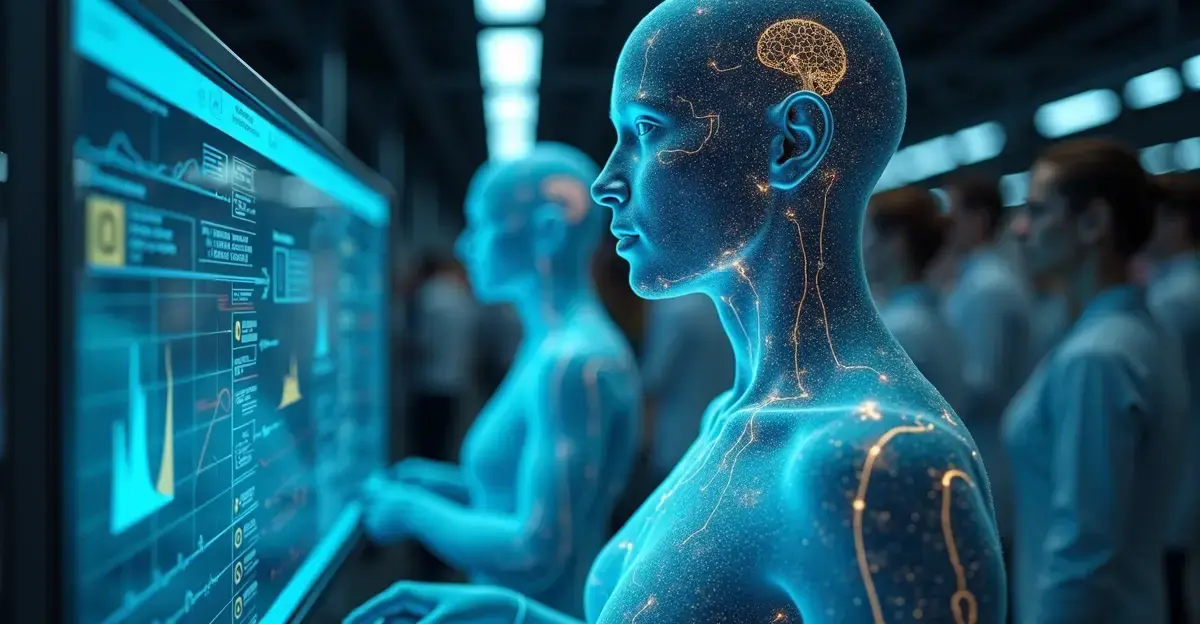
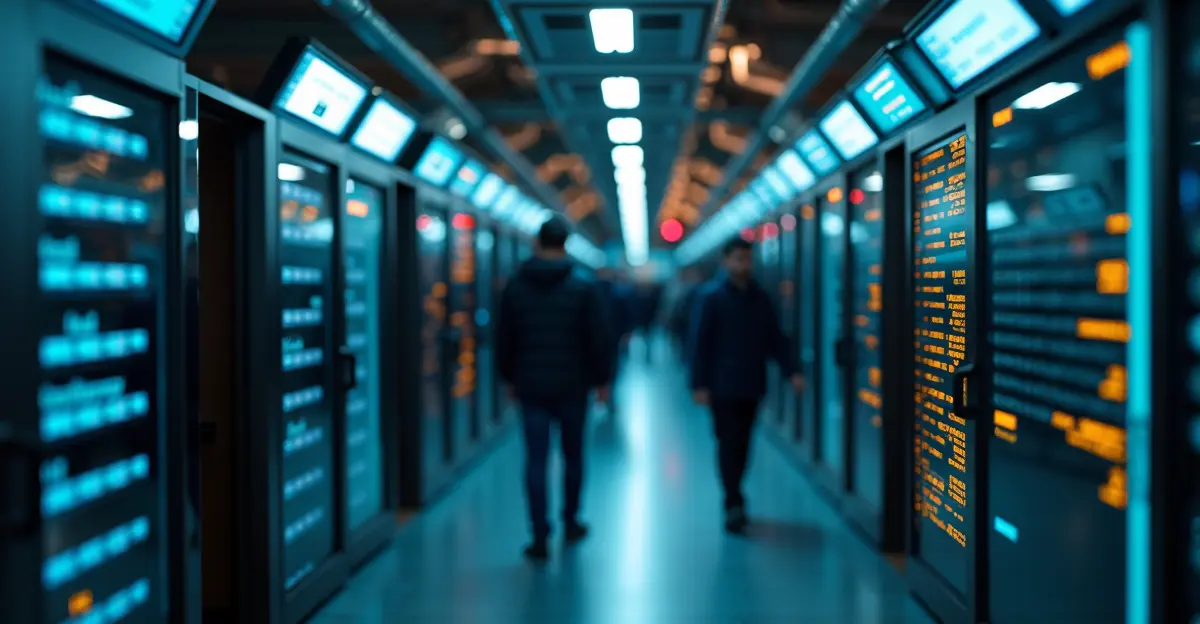
Manufacturers worldwide are rapidly adopting digital twin technology – virtual replicas of physical systems – to optimize operations in real-time. This innovation creates live digital models of factories, production lines, and machinery that mirror their physical counterparts through continuous data feeds from IoT sensors. Companies like Siemens, GE, and Bosch now implement these virtual replicas to simulate processes, predict failures, and test improvements without disrupting actual production.

How Digital Twins Work

Digital twins connect physical assets with their virtual counterparts through sensors that collect real-time data on performance, temperature, vibration, and energy consumption. Advanced analytics and AI process this information to:

  • Predict equipment failures before they occur
  • Test process modifications in the virtual environment
  • Optimize energy consumption and resource allocation
  • Simulate "what-if" scenarios for production changes
According to McKinsey, this technology has reduced unplanned downtime by up to 30% in early-adopter factories.

Industry Adoption Accelerates

The global digital twin market is projected to reach $48 billion by 2026, growing at 58% annually. Key sectors leading adoption include:

  • Automotive: BMW uses digital twins to simulate entire production lines, reducing changeover time by 40%
  • Aerospace: NASA pioneered the technology for spacecraft monitoring
  • Energy: Wind turbine operators predict maintenance needs through vibration analysis
  • Pharma: Companies simulate drug production processes for compliance optimization
North America currently leads adoption, with Europe and Asia-Pacific rapidly catching up.

Overcoming Implementation Challenges

Despite promising results, manufacturers face hurdles including:

  • Data integration across legacy systems
  • Cybersecurity vulnerabilities in connected systems
  • Initial implementation costs averaging $500,000-$2M per facility
  • Skills gaps in data analytics and AI management
"The biggest challenge isn't the technology itself," says Siemens Digital Industries CEO Cedrik Neike. "It's transforming organizational culture to leverage these digital insights effectively."

The Future of Manufacturing

As 5G networks expand and edge computing advances, digital twins are becoming more sophisticated. Emerging applications include:

  • Supply chain simulation for disruption planning
  • Product lifecycle tracking from raw materials to recycling
  • Augmented reality interfaces for technician guidance
  • Sustainability optimization through carbon footprint modeling
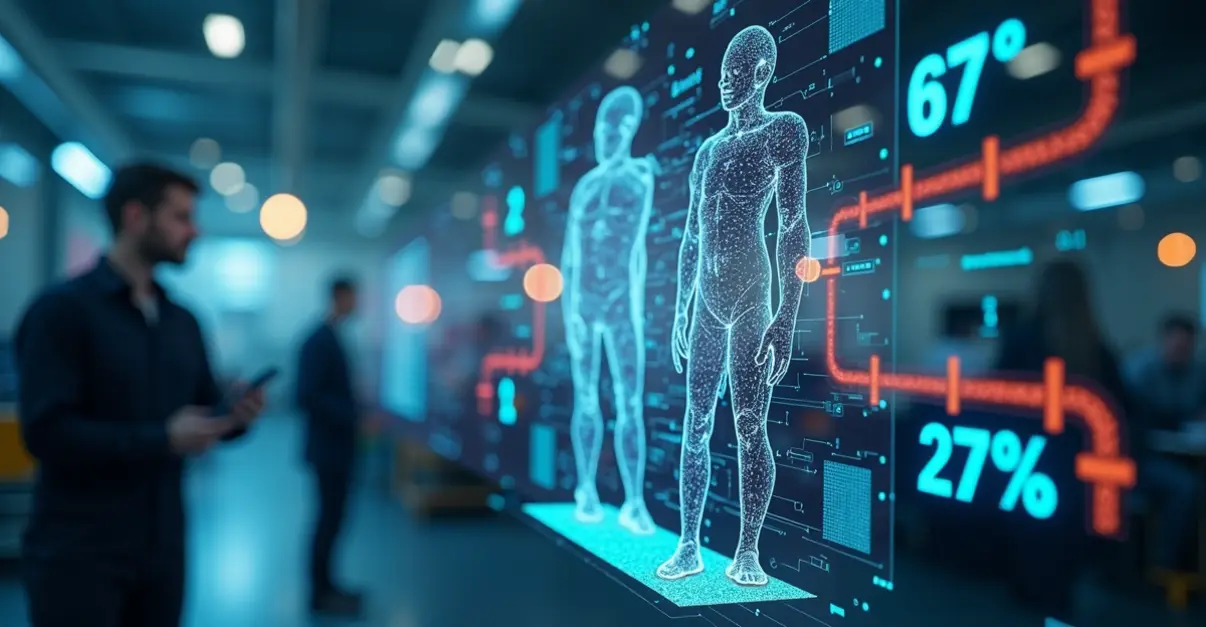
With 67% of manufacturers planning to implement digital twins by 2027, this technology is reshaping industrial operations fundamentally. As Bosch CTO Michael Bolle notes: "We've moved from asking 'if' to 'when' – digital twins are becoming manufacturing's new reality."

Closely related

Digital Twins Revolutionize Factory Operations in Real-Time
Technology
Technology
Closely related

Digital Twins Revolutionize Factory Operations in Real-Time

Digital twin technology creates real-time virtual factory replicas that enable predictive maintenance, reduce...

Can Digital Twins Prevent Infrastructure Disasters?
Technology
Technology
Closely related

Can Digital Twins Prevent Infrastructure Disasters?

Digital twins are transforming infrastructure management by predicting failures before they happen. Cities like...

Digital Twins for Humans: The Future of Preventive Medicine?
Health
Health
Closely related

Digital Twins for Humans: The Future of Preventive Medicine?

Digital twins, virtual replicas of humans, are emerging as a groundbreaking tool in preventive medicine. By...

Digital Twins of Cities: Testing Policies in 3D Simulations
Technology
Technology
Closely related

Digital Twins of Cities: Testing Policies in 3D Simulations

City digital twins create virtual replicas of urban environments to test policies in 3D simulations before...

Virtual Conventions Replace Physical Events Post-Pandemic
Technology
Technology
Closely related

Virtual Conventions Replace Physical Events Post-Pandemic

Conferences have permanently shifted to digital platforms post-pandemic, using VR, AI matchmaking and hybrid models...

Venice Biennale 2025: Digital Art Revolution Takes Center Stage
Ai
Ai
Closely related

Venice Biennale 2025: Digital Art Revolution Takes Center Stage

The 2025 Venice Biennale showcases groundbreaking digital art installations using AI, VR and biological computing,...