


 Deutsch
 English
 Español
 Français
 Nederlands
 Português

 Share
Share




Sports Heat Safety Protocol Update: Complete Guide to 2025-2026 Changes
Major sports organizations across the United States have issued comprehensive updates to their heat safety protocols for the 2025-2026 season, implementing stricter guidelines and advanced monitoring systems to protect athletes from increasingly dangerous heat conditions. These updates represent a significant shift in how sports organizations approach athlete safety in the face of rising global temperatures and more frequent extreme heat events. The new protocols emphasize Wet Bulb Globe Temperature (WBGT) monitoring, mandatory rapid cooling zones, and enhanced emergency response procedures that could reshape liability standards and insurance markets across the sports industry.
What Are the New Heat Safety Protocols?
The 2025-2026 heat safety protocol updates center on three key innovations: advanced environmental monitoring, mandatory cooling infrastructure, and standardized emergency procedures. The University Interscholastic League (UIL) in Texas has established comprehensive requirements including taking WBGT readings within 15 minutes before practice and every 30 minutes during outdoor activities. When WBGT reaches 79.7°F (Class 2) or 82°F (Class 3), schools must implement rapid cooling zones with cold-water immersion equipment specifically designed for treating heat illness. These guidelines apply to all school-approved outdoor activities including sports, conditioning, and marching band practices, marking a significant expansion of previous safety measures.
Key Changes in the 2025-2026 Guidelines
The updated protocols introduce several critical changes from previous seasons. First, the NCAA's 2023 Heat Acclimatization Guidelines now require 14-day ramp-up periods and ban full-pad drills when WBGT exceeds 92°F. Second, athletic trainers must complete specific heat illness certification, ensuring standardized response capabilities across institutions. Third, technology integration has become mandatory, with cooling vests reducing heat-related cramps by 45% and ingestible sensors tracking internal temperatures in real-time. The Tennessee Secondary School Athletic Association (TSSAA) and North Carolina Independent Schools Athletic Association (NCISAA) have implemented similar frameworks, creating a patchwork of state-level regulations that collectively raise the national standard for athlete protection.
Why Are These Updates Necessary Now?
The urgency behind these protocol updates stems from alarming statistics and climate projections. Since 2000, heat stroke has claimed 31 lives in college and high school football, with 5 deaths occurring in just the last 3 years alone. Climate projections suggest WBGT could rise another 2°F by 2030, creating increasingly dangerous conditions for outdoor sports. The 2021 Tokyo Olympics demonstrated effective heat mitigation strategies with shaded rest areas and cold therapy stations, but many American sports programs lacked comparable infrastructure. As extreme heat events become more frequent and intense, organizations face growing pressure from athlete advocacy groups and legal liability concerns to implement stronger protective measures.
The Science Behind WBGT Monitoring
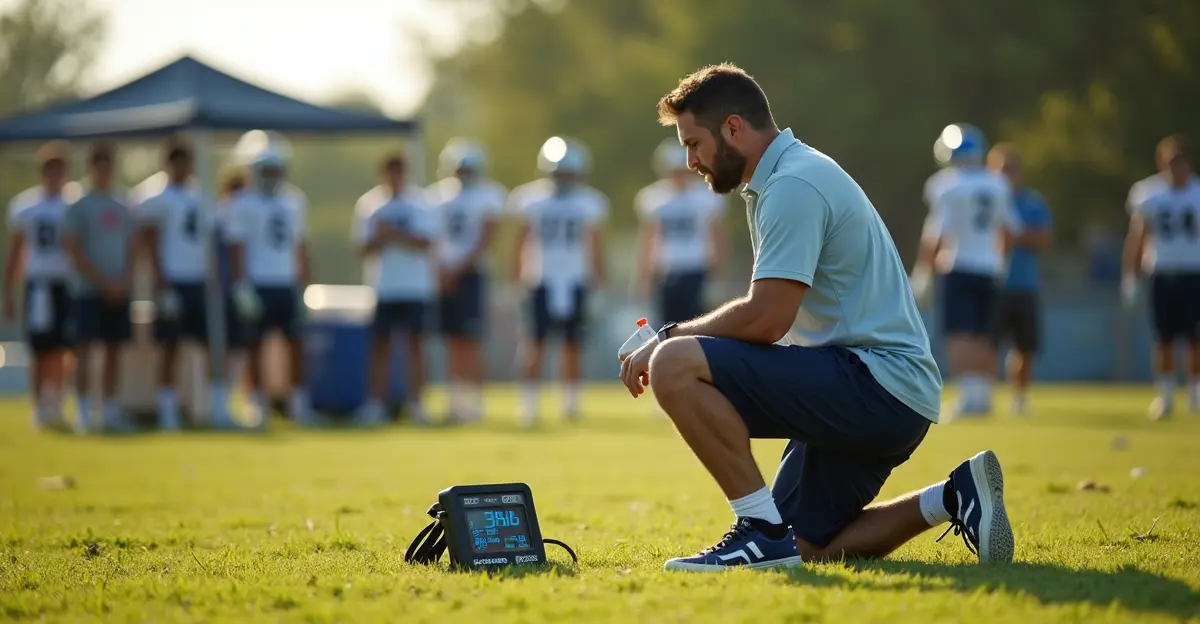
Wet Bulb Globe Temperature represents a significant advancement over traditional temperature readings by measuring temperature, humidity, solar radiation, and wind to assess heat stress risk more accurately. Unlike standard thermometers, WBGT devices account for how the human body actually experiences heat, making them essential for determining safe practice conditions. The new protocols require consistent monitoring by the same individual to ensure accurate readings and proper implementation of safety thresholds. This scientific approach represents a major shift from the subjective assessments that previously governed many sports programs' heat policies.
Impact on Sports Insurance and Liability Markets
The updated heat safety protocols are creating ripple effects across sports insurance and liability markets. Insurance providers are increasingly requiring compliance with these new standards as a condition for coverage, while schools and organizations that fail to implement proper protocols face heightened legal exposure. The financial implications are substantial, with some estimates suggesting that heat-related venue redesigns and cooling infrastructure could cost major sports programs millions annually. However, these investments may ultimately reduce insurance premiums and legal settlements, creating complex financial calculations for athletic departments. The sports insurance industry is developing specialized products to address these new risks, potentially creating new market opportunities while raising costs for non-compliant organizations.
Community and Policy Implications
Beyond professional and collegiate sports, the protocol updates are transforming community athletics and local policy landscapes. Municipal recreation departments must now reconsider their own safety standards for youth sports, while event organizers face new requirements for marathons, tournaments, and other outdoor competitions. These changes are particularly significant in southern states where extreme heat has historically challenged athletic programs. The policy shifts are also influencing broader discussions about climate adaptation strategies in sports infrastructure, with implications for stadium design, scheduling practices, and emergency medical services coordination.
Expert Perspectives on the Protocol Updates
Sports medicine professionals have largely welcomed the updated protocols while acknowledging implementation challenges. 'The science behind these guidelines is solid, but the real test will be in consistent enforcement across thousands of schools and programs,' notes Dr. Sarah Chen, a sports medicine specialist at the University of Texas. 'Smaller schools often lack funding for cooling technology and trained personnel, creating equity concerns that must be addressed.' Athletic directors report mixed reactions, with some praising the clarity of the new standards while others worry about compliance costs. The Southeastern Conference (SEC) has already seen a 25% drop in exertional heat illness cases from 2022-2024 following earlier protocol implementations, suggesting these measures can deliver tangible safety improvements when properly executed.
FAQ: Sports Heat Safety Protocol Updates
What is Wet Bulb Globe Temperature (WBGT)?
WBGT is a comprehensive measurement that accounts for temperature, humidity, solar radiation, and wind to assess heat stress risk more accurately than traditional temperature readings alone. It's become the standard metric for determining safe practice conditions under the new protocols.
Which organizations have updated their heat safety protocols?
Multiple organizations including the University Interscholastic League (UIL), NCAA, Tennessee Secondary School Athletic Association (TSSAA), and North Carolina Independent Schools Athletic Association (NCISAA) have issued updated guidelines for the 2025-2026 season.
What are rapid cooling zones?
Rapid cooling zones are designated areas with cold-water immersion equipment that must be available when WBGT reaches specific thresholds (79.7°F or 82°F depending on the protocol). These zones are essential for treating heat illness quickly and effectively.
How do these updates affect insurance and liability?
The protocols are changing insurance requirements and liability standards, with organizations facing increased legal exposure if they fail to implement proper safety measures. Insurance providers may require compliance as a condition for coverage.
What technology is being used for heat safety?
New technologies include cooling vests (reducing heat-related cramps by 45%), ingestible sensors for internal temperature monitoring, smart water bottles tracking hydration, and advanced WBGT monitoring devices.
Future Outlook and Implementation Challenges
As sports organizations implement these updated protocols, several challenges and opportunities emerge. The most significant hurdle involves resource disparities between well-funded collegiate programs and smaller high schools that may struggle to afford cooling technology and trained personnel. Climate projections suggesting continued temperature increases mean these protocols will likely require regular updates and enhancements in coming years. However, the standardization of safety measures across different organizations creates opportunities for shared resources, training programs, and collective advocacy for sports safety funding. The long-term success of these protocols will depend on consistent enforcement, ongoing education, and adaptation to evolving climate conditions.





Follow Discussion