
 Deutsch
 English
 Español
 Français
 Nederlands
 Português







Extreme Heat Forces Major Tournament Rescheduling
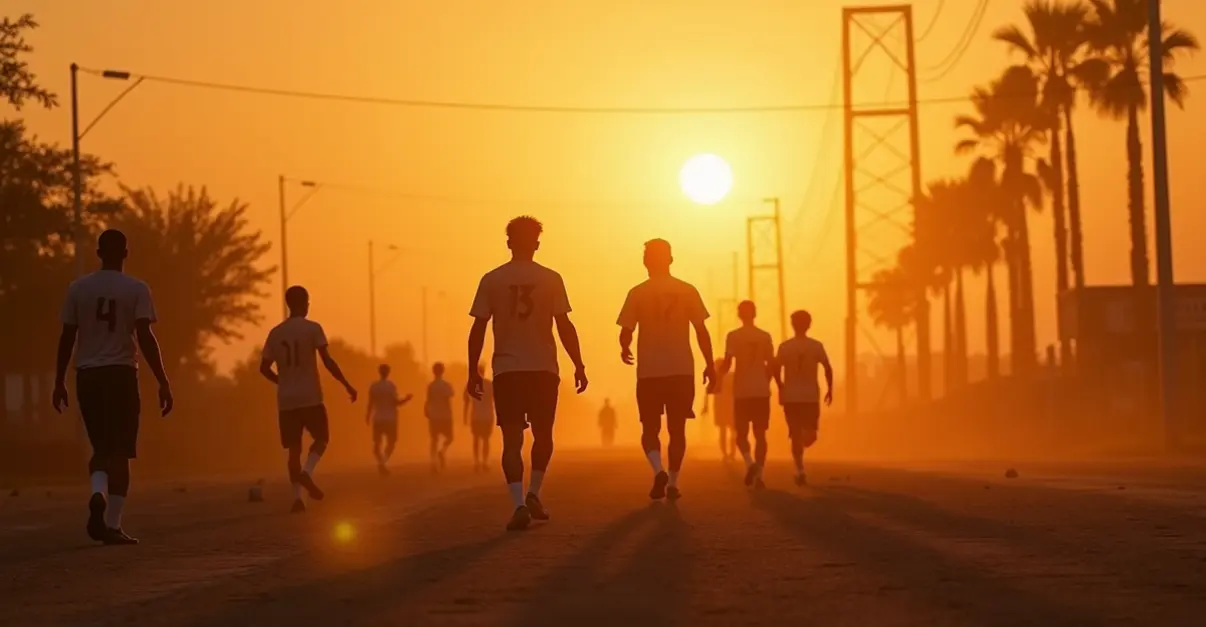
The 2026 FIFA World Cup is facing an unprecedented climate crisis that threatens to disrupt the world's largest sporting event. With temperatures in host cities like Dallas, Houston, and Miami regularly exceeding dangerous thresholds, tournament organizers are scrambling to implement major schedule changes to protect athlete welfare. 'We're seeing conditions that are very dangerous for players,' says Dr. Vincent Gouttebarge, FIFPRO's chief medical officer. 'During the recent Club World Cup dress rehearsal, we had players experiencing dizziness, fatigue, and heat exhaustion in temperatures reaching 104°F (40°C). This isn't just uncomfortable—it's potentially life-threatening.'
Scientific Warnings and Player Safety Concerns
Research from Queen's University Belfast reveals alarming data: 14 of the 16 stadiums for the 2026 World Cup could exceed dangerous heat thresholds during June and July. The study, using 20 years of meteorological data, shows temperatures could reach the 'wet bulb globe temperature' (WBGT) threshold of 28°C, with four cities potentially hitting the more dangerous 32°C level. According to the BBC, Dallas, Houston, and Miami experience over 80% of June-July days above 28°C.
Climate scientist Dr. Donal Mullan recommends avoiding afternoon games (midday to 6pm) to reduce heat risks, especially in cities without air-conditioned stadiums. 'The data is clear: we need to move matches to evening slots or risk serious health consequences,' Mullan states. Time Magazine reports that Chelsea midfielder Enzo Fernandez described 96°F heat during recent matches as 'very dangerous,' while scientists warn that FIFA's current 89.6°F WBGT threshold for cooling breaks underestimates player strain.
Ticket Policies and Logistics Overhaul
The extreme heat crisis is forcing a complete overhaul of ticket policies and event logistics. With matches likely to be rescheduled from dangerous afternoon slots to safer evening times, millions of ticket holders face uncertainty. Consumer rights experts note that postponed events create complex scenarios where UK law grants refunds for material changes, while US consumers rely more on platform policies.
Major platforms like Ticketmaster, StubHub, and Vivid Seats are developing new protocols for heat-related postponements. 'We're working with FIFA to create flexible ticketing solutions that prioritize fan safety while maintaining tournament integrity,' says a Ticketmaster spokesperson. The FTC's new Junk Fees Rule, effective May 12, 2025, adds another layer of complexity, mandating all-in pricing and banning hidden fees following a $16.4B lawsuit against Ticketmaster for deceptive practices.
Infrastructure Challenges and Medical Protocols
The tournament faces significant infrastructure inequalities between indoor and outdoor venues, raising fairness concerns. Six 2026 host cities—Atlanta, Dallas, Houston, Kansas City, Miami, and Monterrey—are classified as 'extremely high risk' for heat-related injuries. Medical professionals warn of serious health risks including hyperthermia, while fans also face dangers in open stadiums where heat indices can exceed 160°F.
FIFPRO is pushing for extended half-time intervals from 15 to 20 minutes to allow for proper hydration and cooling. Goal.com reports that the players' union insists 15-minute half-times are insufficient for proper hydration in extreme temperatures. 'Player health and safety must take priority over commercial interests, including broadcaster schedules,' emphasizes FIFPRO's leadership.
Climate Change and Future Sporting Events
This crisis highlights a broader trend affecting global sports. The Athletic reports that extreme heat is increasingly disrupting athletic events worldwide, with recent examples including Cincinnati's Club World Cup where players retreated to locker rooms for shade, and Wimbledon halting play due to heat-related spectator medical issues.
Sports organizations are implementing new strategies like heat acclimation protocols, sweat analysis for hydration planning, cooling devices, and improved venue designs with shaded areas. However, experts warn that many host communities remain unprepared for climate disruptions, and sports calendars are seeing more climate-related adjustments than ever before as heat waves become more severe and prolonged.
'What we're seeing with the 2026 World Cup is just the beginning,' says climate sports analyst Maria Rodriguez. 'As temperatures continue to rise, every major outdoor sporting event will need to reconsider its scheduling, infrastructure, and safety protocols. The era of climate-adaptive sports has arrived.'




Follow Discussion