


 Deutsch
 English
 Español
 Français
 Nederlands
 Português


 Share
Share




The New Frontier in Athletic Development
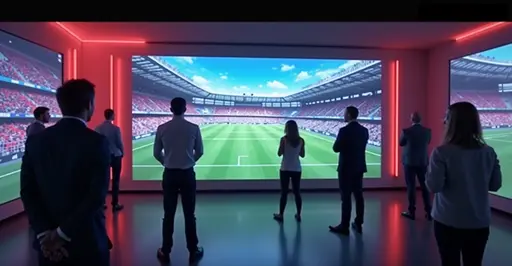
Virtual Reality technology is rapidly changing how athletes train across multiple sports disciplines. From tennis courts to boxing rings, VR headsets are becoming essential training tools that offer unprecedented advantages for skill development and performance enhancement.
Tennis: Perfecting Your Swing in Virtual Space
Tennis players are embracing VR training systems that simulate real-match conditions without the physical strain of constant court time. These systems use advanced motion tracking and haptic feedback to create realistic ball physics and opponent behavior. "The ability to practice against virtual opponents who mimic real players' styles has been game-changing," says professional tennis coach David Rodriguez. "We can work on specific weaknesses without the limitations of court availability or partner schedules."
Boxing: Virtual Sparring Partners
Boxing training has entered a new era with VR technology that allows fighters to spar against virtual opponents with different fighting styles, speeds, and techniques. These systems track movement, punch velocity, and defensive maneuvers, providing instant feedback and performance analytics. "The data we get from VR training sessions helps us identify patterns and make strategic adjustments that would take months to discover in traditional training," explains boxing trainer Maria Santos.
Technical Advancements Driving Adoption
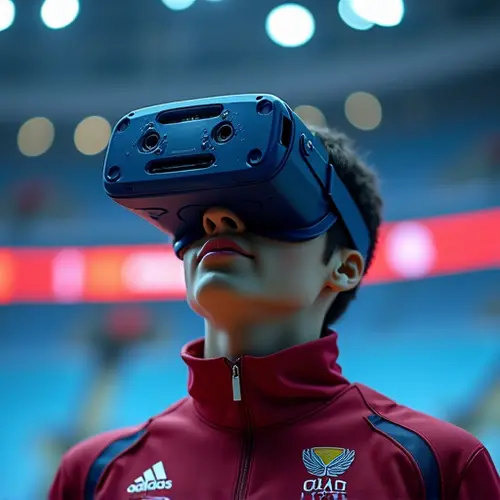
Modern VR headsets like the Meta Quest Pro and specialized sports training systems offer high-resolution displays, precise motion tracking, and realistic physics engines. The integration of artificial intelligence allows these systems to adapt to the athlete's skill level and create increasingly challenging scenarios. Oculus and other manufacturers are developing sport-specific applications that cater to professional and amateur athletes alike.
Benefits Beyond Physical Training
VR training extends beyond physical skill development to include mental preparation and strategy analysis. Athletes can review their performance from multiple angles, study opponent tendencies, and practice game situations repeatedly without physical fatigue. The technology also enables remote coaching, where trainers can observe and guide sessions from anywhere in the world.
The Future of Sports Training
As VR technology continues to advance, we're seeing integration with biometric sensors, augmented reality overlays, and more sophisticated AI opponents. The line between virtual and physical training is blurring, creating hybrid approaches that maximize athlete development while minimizing injury risk. Major sports organizations and training facilities are investing heavily in VR infrastructure, signaling a fundamental shift in how athletes prepare for competition.




Follow Discussion