Nederlands
 English
 Deutsch
 Français
 Español
 Português






SpaceX Acquires xAI in Historic Merger
Elon Musk has announced the acquisition of his artificial intelligence company xAI by SpaceX in a groundbreaking deal that creates a combined entity valued at $1.25 trillion. This merger represents the largest M&A transaction in history, surpassing Vodafone's $203 billion acquisition of Mannesmann in 2000. The deal brings together two of Musk's most ambitious ventures under one corporate structure, with xAI shareholders receiving 0.1433 shares of SpaceX for each xAI share.
The Vision: Space-Based AI Computing
Musk's vision extends far beyond corporate consolidation. He believes that the future of artificial intelligence lies in space, where data centers can harness near-limitless solar energy. 'My estimate is that within two to three years the cheapest way to generate AI computing power will be in space,' Musk stated on the SpaceX website. He argues that Earth-based infrastructure cannot meet the massive energy demands of advanced AI systems without harming communities and the environment.
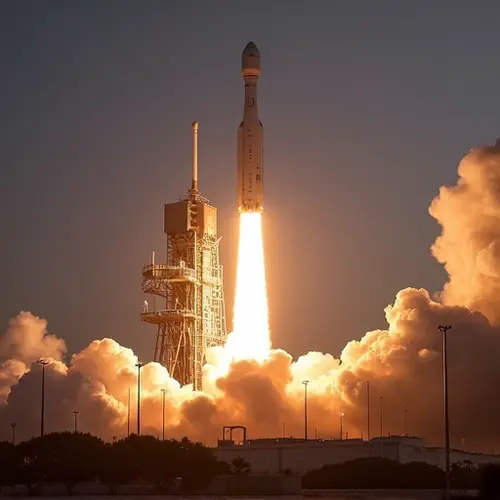
SpaceX has already filed with the FCC to launch up to one million satellites to create an orbital data center network. This ambitious infrastructure project aims to leverage the constant sunlight available in space to power AI computations that would be unsustainable on Earth.
Strategic Implications and Industry Impact
The merger combines SpaceX's space technology expertise with xAI's AI development capabilities, including the Grok chatbot integrated into the X social media platform. According to Reuters, this creates what Musk describes as 'the most ambitious, vertically integrated innovation engine on (and off) Earth.'
The deal positions the combined company to compete directly with major AI players like OpenAI, Google, Meta, and Anthropic. It also follows Musk's pattern of intertwining his business interests, with Tesla having previously invested $2 billion in xAI.
Financial and Regulatory Considerations
With SpaceX valued at approximately $1 trillion and xAI at $250 billion, the merger creates one of the world's most valuable private companies. Financial analysts suggest this consolidation may be a precursor to a historic IPO later this year. However, the transaction could face regulatory scrutiny due to Musk's overlapping leadership roles and potential conflicts of interest across his business empire.
Industry experts note that Musk isn't alone in pursuing space-based AI infrastructure. Jeff Bezos's Blue Origin and Google's Project Suncatcher are reportedly working on similar solar-powered space data center concepts, indicating a broader industry trend toward off-planet computing solutions.
The Future of AI and Space Exploration
Beyond AI computing, Musk envisions the merger enabling direct communication between satellites and mobile devices, potentially providing global mobile coverage. The combined resources could also accelerate SpaceX's Starship development for Moon and Mars missions, with space-based AI potentially funding future space colonization efforts.
As Fortune reports, Musk's vision represents a fundamental shift in how we approach both artificial intelligence and space exploration, merging two frontier technologies into what could become humanity's most ambitious technological undertaking.