


 English
 Nederlands
 Deutsch
 Français
 Español
 Português

Search
-
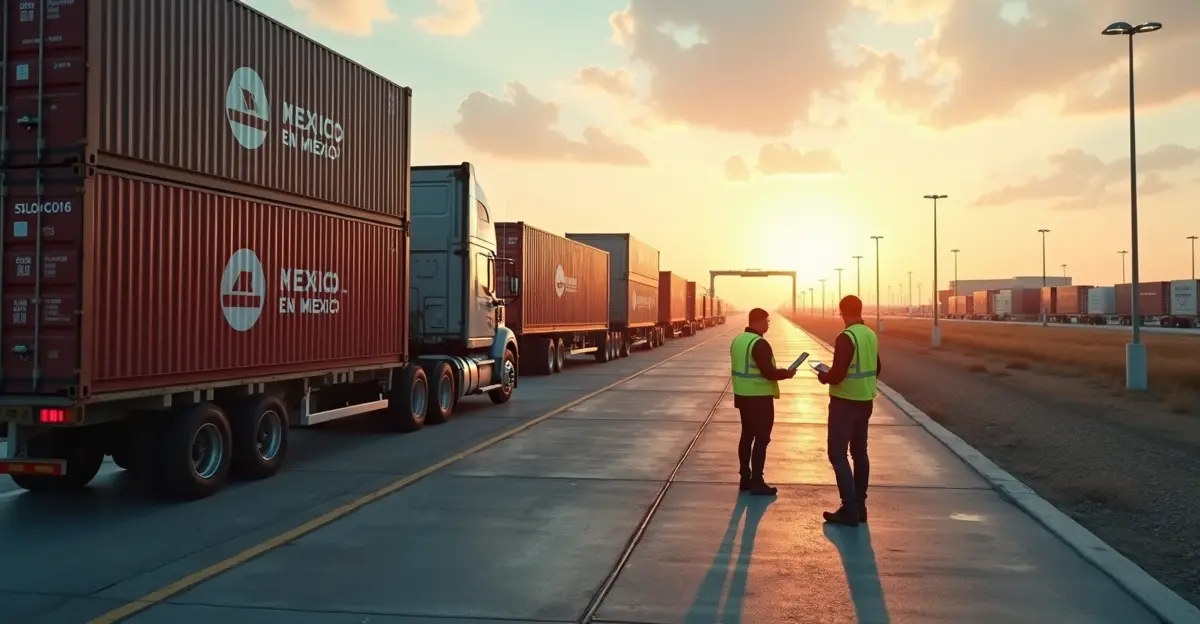
Friend-Shoring Explained: How 2026 Supply Chain Reconfiguration Reshapes Global Trade
Mexico surpasses China as U.S.'s largest trading partner in 2026, marking historic supply chain shift to friend-shoring. Companies accept 15-25% higher costs for resilient, politically-aligned supply chains. Discover how this...
-
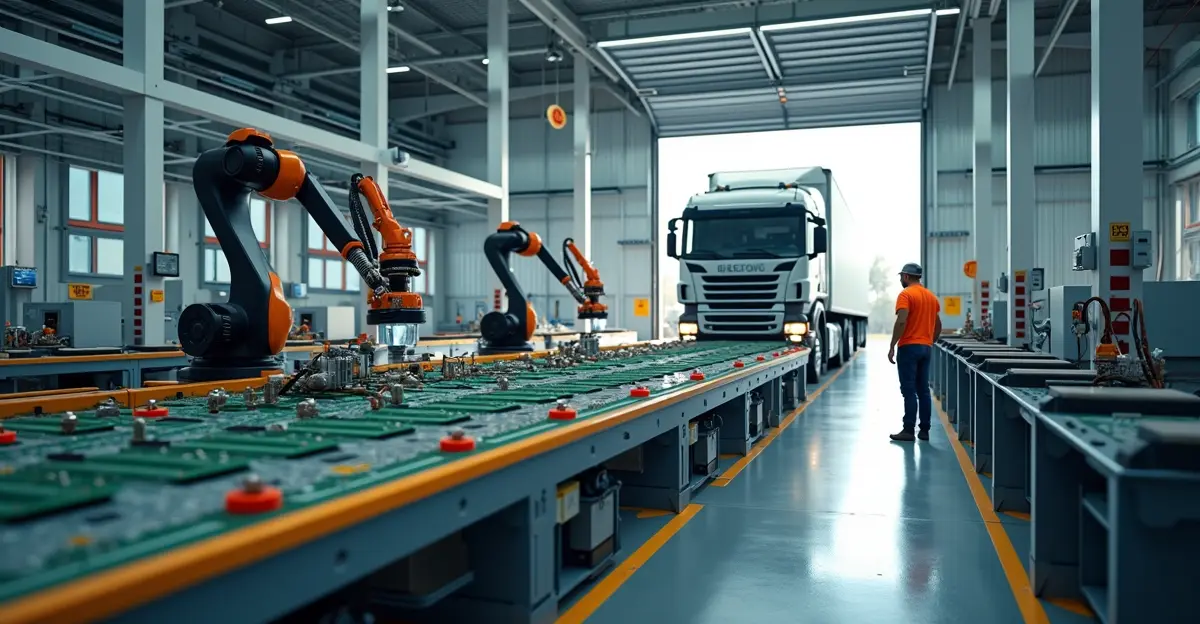
Supply Chain Reconfiguration 2026: How Tariff Volatility Reshapes Global Trade Architecture
72% of trade professionals identify U.S. tariff volatility as the most impactful regulatory change in 2026, forcing 51% nearshoring, 65% sourcing changes, and 40% AI adoption. Discover how global trade architecture is being...
-

AI Trade Paradox Explained: How Semiconductor Exports Reshape Global Geopolitics in 2026
AI-related trade accounted for one-third of global growth in 2025, creating a paradox where geopolitical fragmentation coexists with deepening economic interdependence through semiconductor supply chains. Discover how...
-

Germany's Economic Crisis Explained: Self-Inflicted Problems & Structural Failures
Germany faces a self-inflicted economic crisis with structural roots in years of underinvestment, rigid fiscal rules, and policy failures. Corporate tax revenue dropped 79% in 2026, with 23,900 business insolvencies in 2025.
-

European Airports Face Jet Fuel Shortages: 3-Week Crisis Warning Explained
European airports face systemic jet fuel shortages within 3 weeks if Strait of Hormuz doesn't reopen. Prices doubled to $1,573/tonne, airlines cancel flights, summer travel at risk. Complete guide to the aviation fuel crisis.
-
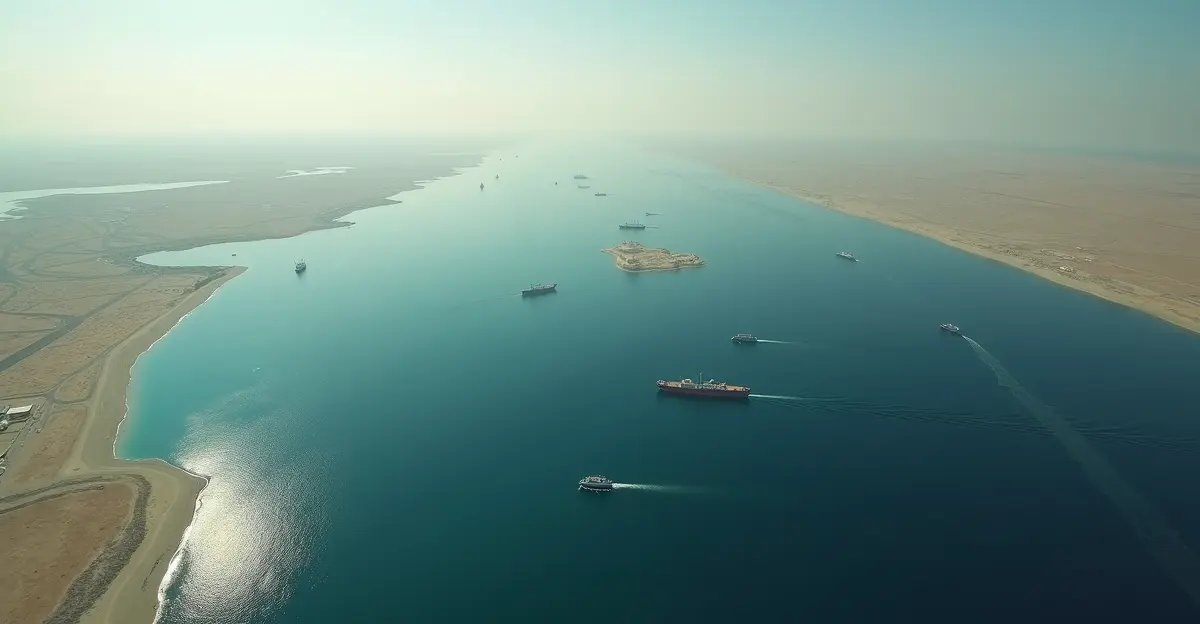
Strait of Hormuz Crisis: Anatomy of a 2026 Global Energy Shock Explained
The 2026 Strait of Hormuz crisis has closed the world's most critical oil chokepoint, disrupting 20% of global oil trade and threatening COVID-scale economic contraction. Learn how this geopolitical shock impacts Asia, Europe,...