


 Deutsch
 English
 Español
 Français
 Nederlands
 Português


 Share
Share




Sudeten German Gathering in Brno Ignites Diplomatic Tensions
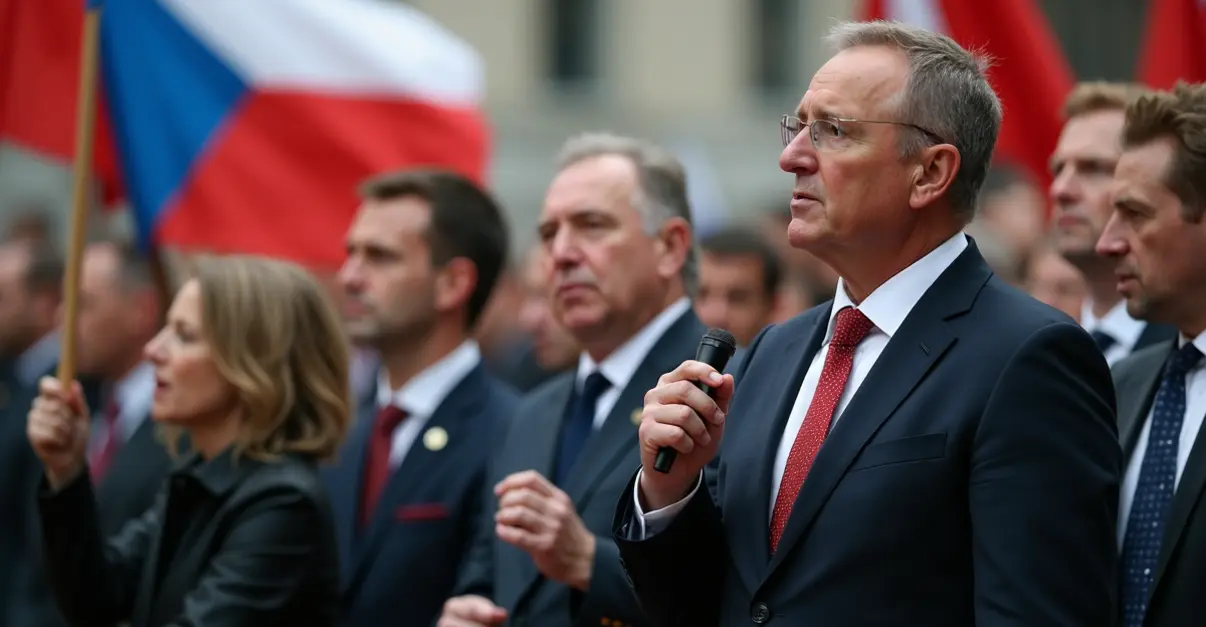
For the first time since World War II, the Sudeten German Day (Sudetendeutscher Tag) is being held on Czech soil, in the city of Brno. The annual festival, organized by the Sudeten German Association (Sudetendeutsche Landsmannschaft), celebrates the culture of the three million ethnic Germans expelled from Czechoslovakia after 1945. The event has triggered a fierce political backlash from the Czech government, led by Prime Minister Andrej Babis, who called it a 'mistake' and a 'provocation.'
The three-day gathering, which began on May 23, 2026, is taking place under high security amid threats of counter-protests from far-right and communist groups. The controversy highlights the unresolved historical trauma of the postwar expulsions and the enduring political sensitivity of the Beneš decrees in Central Europe.
Background: The Expulsion of Sudeten Germans
Before World War II, approximately three million German-speaking people lived in the border regions of Czechoslovakia, known as the Sudetenland. After the Nazi annexation of the Sudetenland in 1938, many Sudeten Germans supported the Nazi regime. Following Germany's defeat, the Allied powers and the Czechoslovak government agreed to expel the German population under the Beneš Decrees, a series of laws that stripped ethnic Germans of their property and citizenship.
The expulsions, which took place between 1945 and 1947, were often brutal. Thousands died in forced marches and internment camps, and survivors were resettled mainly in Germany and Austria. The Beneš Decrees remain in force in the Czech Republic, and their legal validity has been a major obstacle to Czech-German reconciliation for decades.
Political Fallout in Prague
Prime Minister Babis initially tried to stay neutral, mindful of the strong economic ties with Bavaria, Germany's wealthiest state. However, under pressure from his coalition partners—including the far-right SPD party—he condemned the event. The Czech parliament passed a resolution against the gathering, with the opposition boycotting the vote.
Foreign Minister Macinka warned that high-ranking German guests, including Bavarian Premier Markus Söder and Interior Minister Dobrindt, would 'not have a nice day.' The government's stance has been criticized by President Petr Pavel, the opposition, and a group of Czech writers, who see the festival as a gesture of reconciliation.
The controversy is also seen as a political distraction. Analysts note that Babis is facing domestic pressure over broken promises on social spending, forced by rising NATO defense commitments. The Czech political crisis may benefit the far-right SPD, the only openly pro-Russian party in parliament, which has been accused of stirring nationalist sentiment.
A Festival of Reconciliation or Provocation?
Bernd Posselt, chairman of the Sudeten German Association, insists the event is about peace and cultural celebration. 'The festival is meant as reconciliation, as a sign against nationalism,' he told NOS. The program includes music, dance, lectures, and a Holocaust memorial ceremony. Posselt noted that the association has not challenged the Beneš Decrees for decades, and Germany is treaty-bound not to object to the postwar expropriations.
However, far-right groups in both countries oppose the event for opposite reasons. In Germany, the AfD wants the decrees repealed, while Czech radicals accuse the Sudeten Germans of revanchism. 'They say the opposite, but actually work together,' Posselt said. 'Radical right is against us because we are pro-European.'
Impact on Czech-German Relations
The diplomatic fallout is significant. Bavaria is the Czech Republic's largest trading partner, and the row threatens to damage economic relations. The Czech government's hardline stance also risks alienating Germany's federal government, which has traditionally supported reconciliation efforts.
Despite the tensions, President Pavel and opposition leaders have voiced support for the event, calling it a 'light at the end of the tunnel.' The future of Czech-German relations may depend on whether the festival succeeds in fostering dialogue or deepens divisions.
FAQ
What is the Sudeten German Day?
The Sudeten German Day is an annual cultural festival organized by the Sudeten German Association, celebrating the traditions of ethnic Germans who lived in Czechoslovakia before their expulsion after World War II.
Why is the event controversial in Czechia?
Many Czechs view the gathering as a provocation that downplays Nazi crimes and could reopen demands for property restitution. The Czech government, led by Prime Minister Babis, condemned the event as a 'mistake.'
What are the Beneš Decrees?
The Beneš Decrees were a series of laws issued by Czechoslovak President Edvard Beneš after WWII that stripped ethnic Germans and Hungarians of their citizenship and property and authorized their expulsion. They remain in force in the Czech Republic.
How many Sudeten Germans were expelled?
Approximately three million ethnic Germans were expelled from Czechoslovakia between 1945 and 1947.
What is the position of the Sudeten German Association on the decrees?
The association no longer calls for the repeal of the Beneš Decrees. Chairman Bernd Posselt stated that the group has not challenged them for decades and focuses on cultural preservation and reconciliation.





Follow Discussion