


 Deutsch
 English
 Español
 Français
 Nederlands
 Português


 Share
Share




Digital Censorship Ignites Civil Unrest in Southeast Asia
Recent government-imposed social media bans in several Southeast Asian countries have sparked widespread protests, highlighting growing tensions between digital censorship and civil liberties. The bans, targeting platforms like Facebook, Twitter, and TikTok, are part of broader efforts to control online discourse, but critics argue they stifle free expression and fuel public dissent.
The Catalyst for Protests
The immediate trigger for the protests was the abrupt shutdown of social media platforms in countries like Myanmar, Thailand, and Vietnam. Authorities cited "national security" and "public order" concerns, but activists claim the move is aimed at silencing opposition voices ahead of upcoming elections and political events.
Historical Context of Digital Censorship
Southeast Asia has a long history of internet censorship, with countries like China and Vietnam leading the region in restrictive online policies. According to Freedom House, many Southeast Asian nations fall under the "pervasive" or "substantial" categories of internet censorship, where political and social content is heavily monitored and controlled.
Public Reaction and Global Response
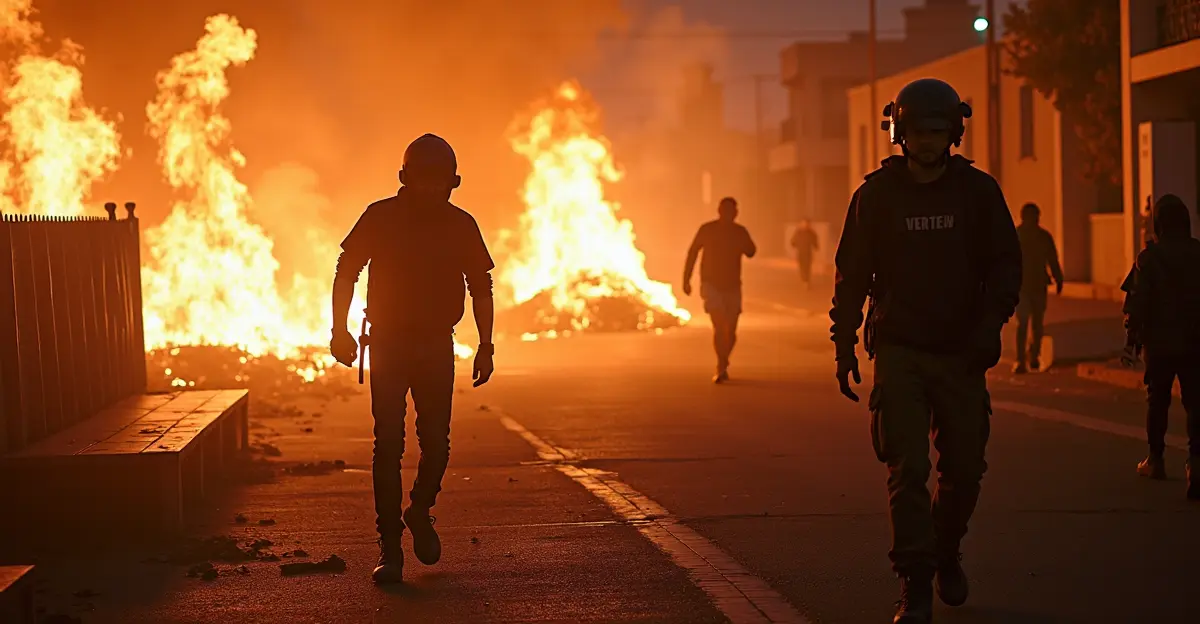
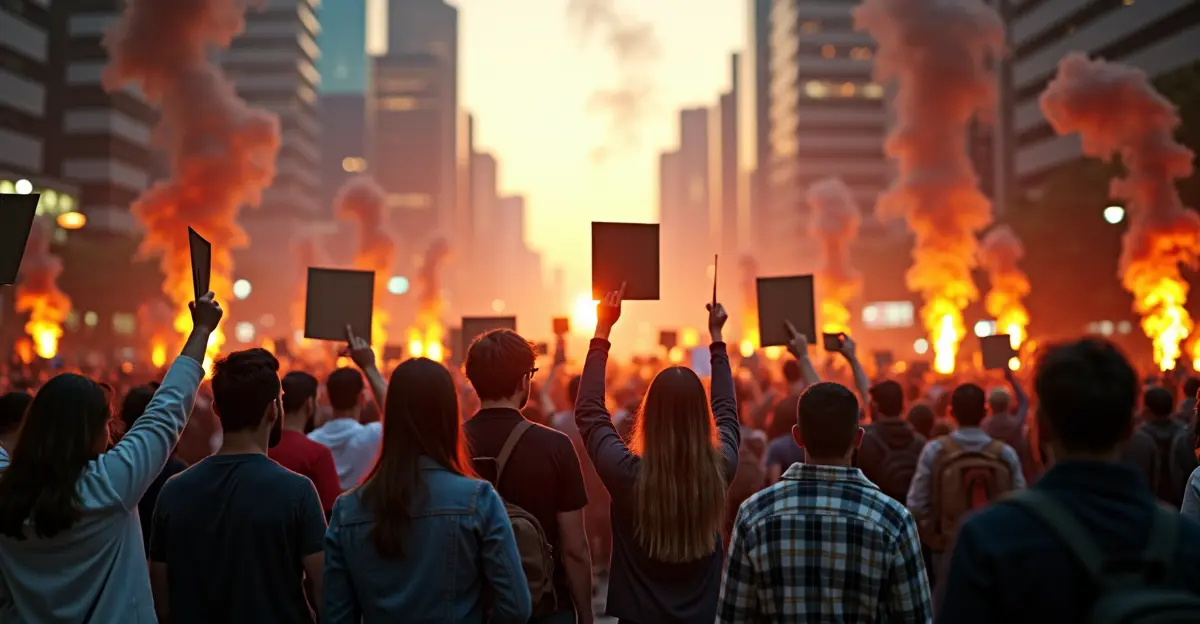
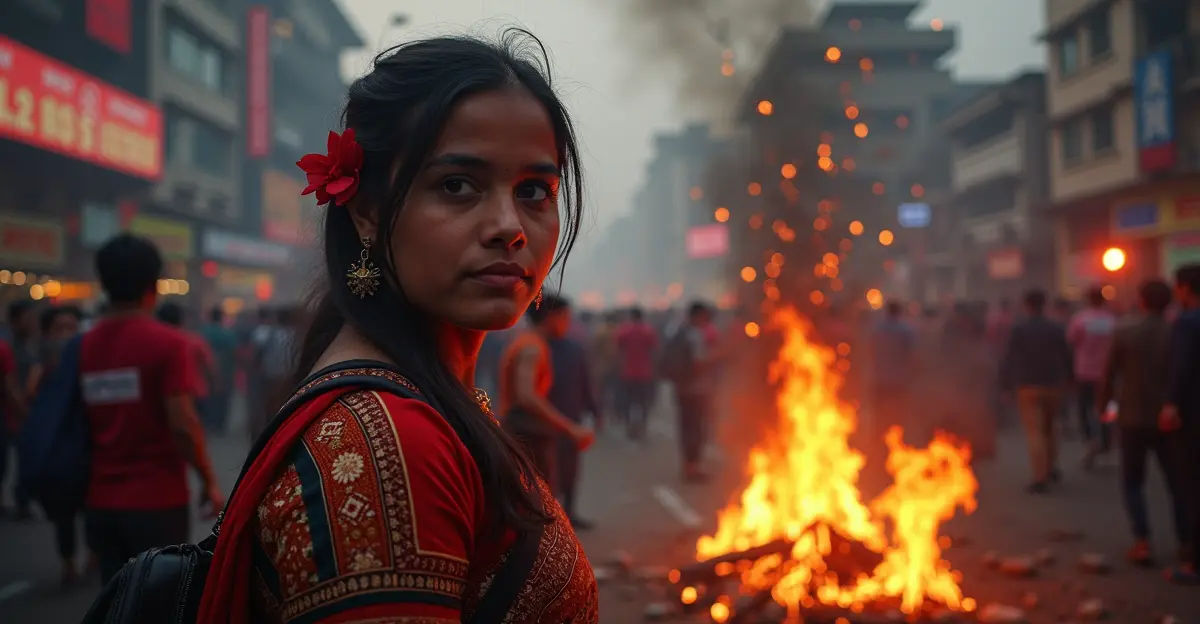
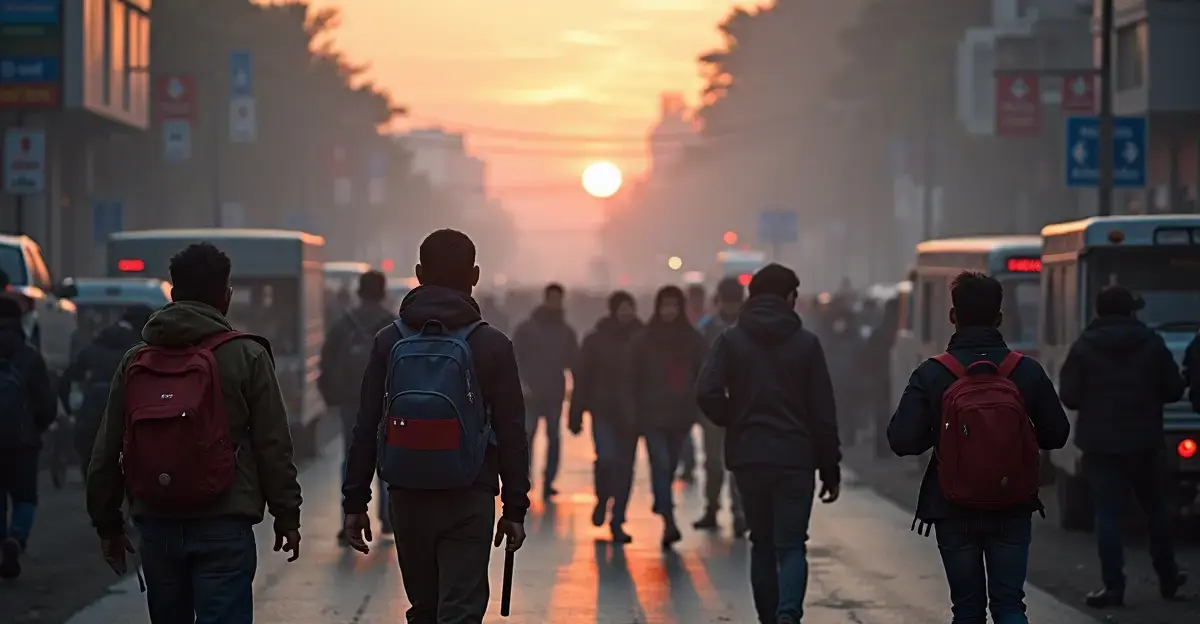
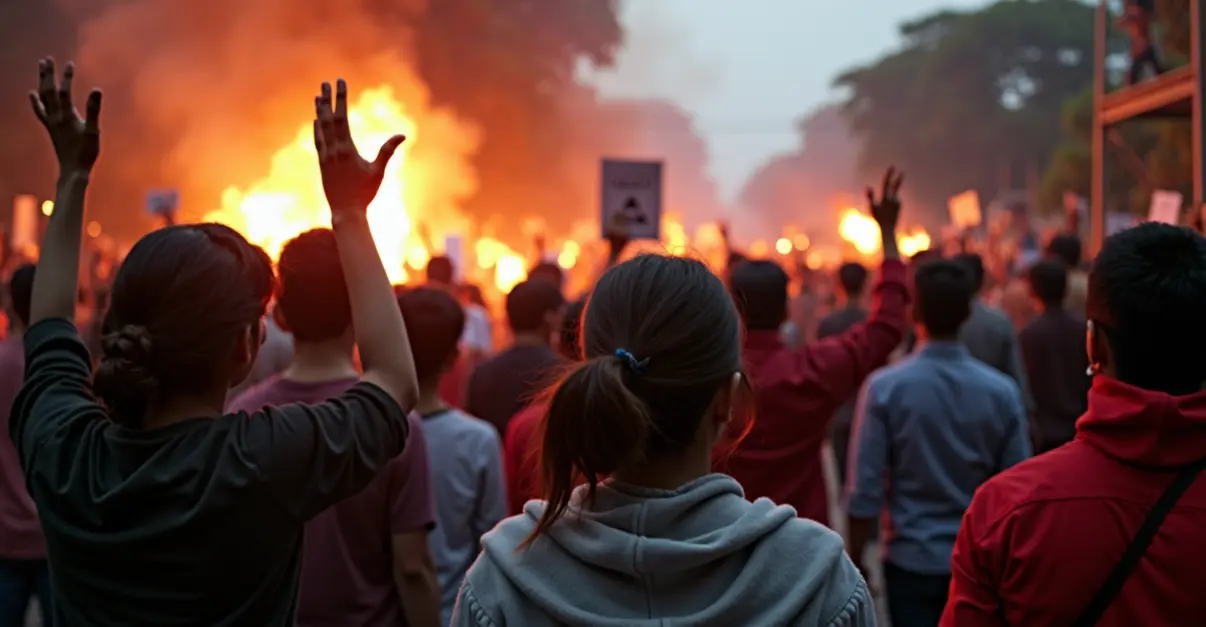
Protests have erupted in major cities, with demonstrators demanding the restoration of internet freedoms. International human rights organizations, including Amnesty International, have condemned the bans, calling them a violation of fundamental rights. Meanwhile, tech companies face pressure to resist government demands for censorship.
The Road Ahead
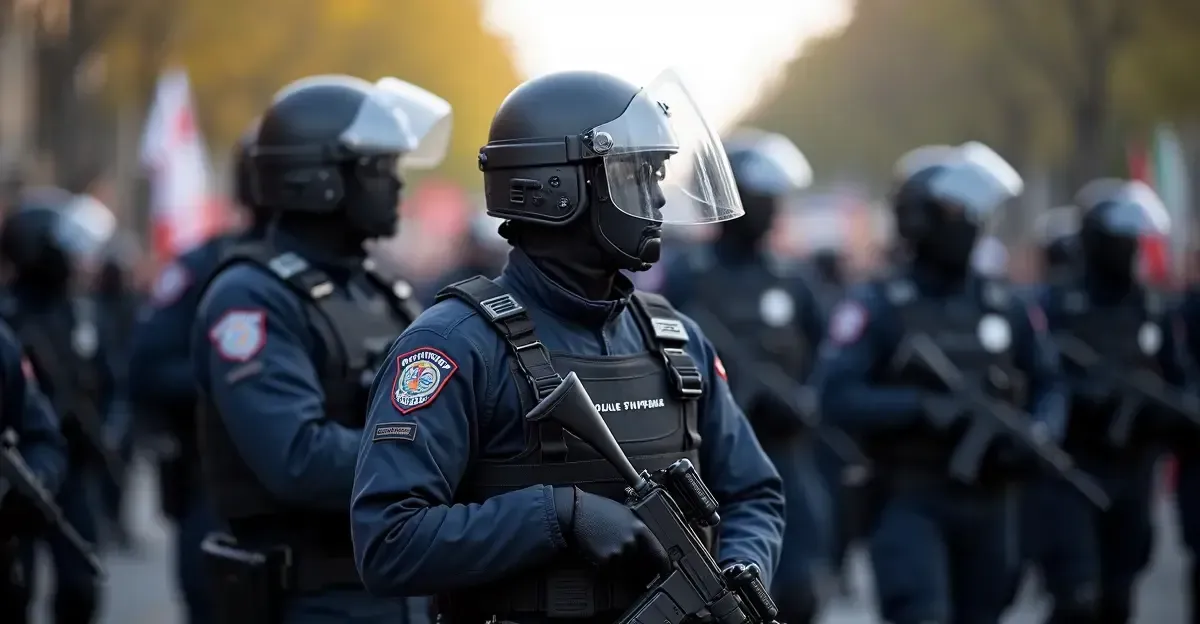
As the protests continue, the situation remains volatile. Analysts warn that prolonged censorship could further destabilize the region, while governments insist the measures are necessary for stability. The outcome of this clash between digital rights and state control will likely shape the future of internet freedom in Southeast Asia.
Follow Discussion