
 Deutsch
 English
 Español
 Français
 Nederlands
 Português






No Kings Protests Explained: 8 Million Americans March Against Trump in 2026
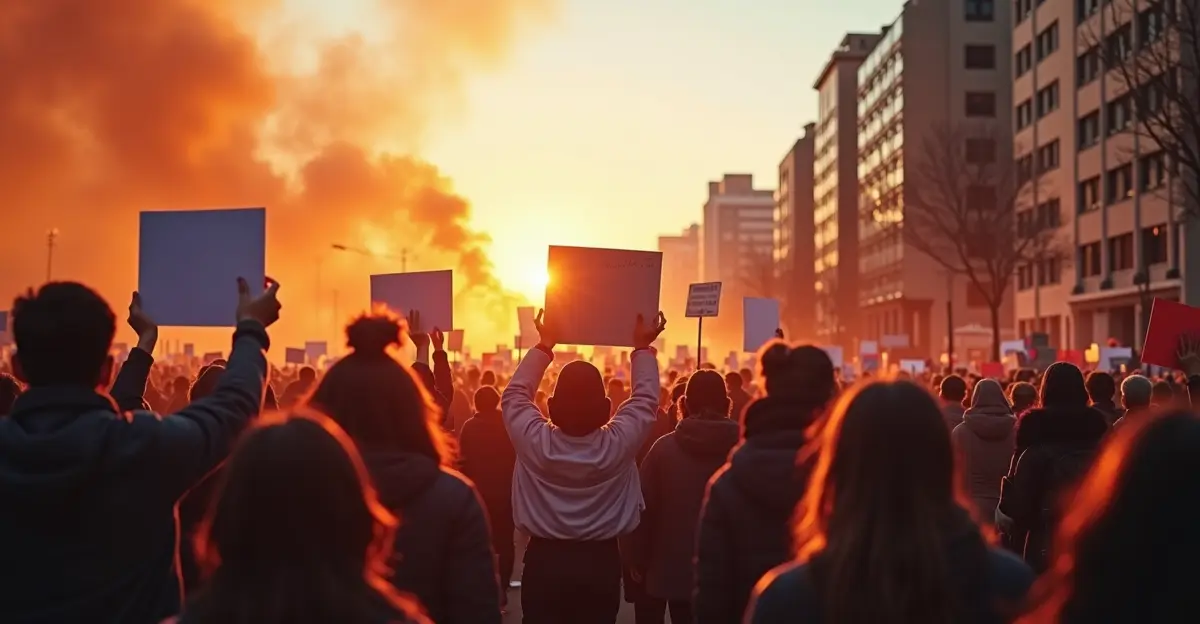
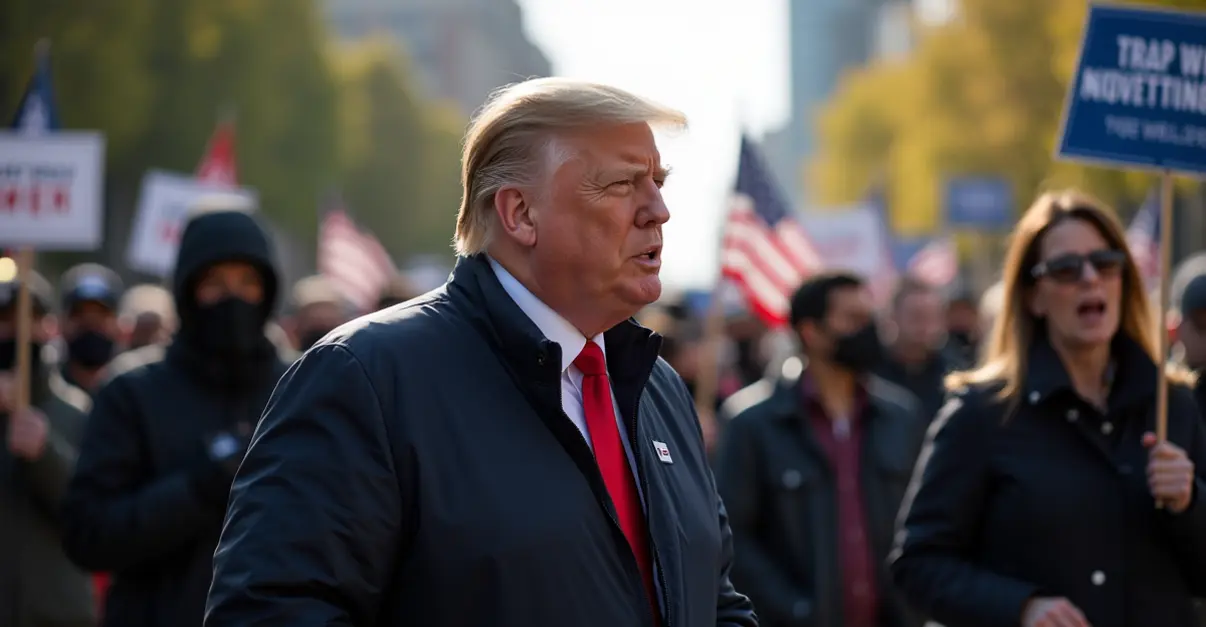
On March 28, 2026, an estimated 8 million Americans participated in the third major 'No Kings' protests across all 50 states, marking one of the largest coordinated demonstrations against President Donald Trump's administration. The nationwide movement, which began in June 2025, has grown significantly with each iteration, reflecting deepening opposition to what organizers describe as authoritarian tendencies in the current administration.
What Are the No Kings Protests?
The 'No Kings' protest movement represents a decentralized coalition of progressive groups including the 50501 Movement, Indivisible, and MoveOn, with support from nonpartisan organizations like the ACLU. The movement's name directly responds to what organizers perceive as President Trump's monarchical approach to governance, with the slogan 'No Kings, No Dictators, No Tyrants' echoing the founding principles of American democracy. The protests reference the '3.5% rule' theory, which suggests that significant political change can occur when 3.5% of a population becomes actively involved in resistance movements.
The movement has evolved from its initial demonstration on June 14, 2025, which coincided with Trump's 79th birthday and drew approximately 5 million participants across 2,100 locations. The second protest in October 2025 saw nearly 7 million participants, setting the stage for the March 2026 demonstrations that organizers claim reached 8 million participants across more than 3,300 events globally. These protests represent the largest coordinated opposition to the Trump administration policies since his second inauguration in 2025.
Key Locations and Notable Participants
Flagship Rally in St. Paul, Minnesota
The largest gathering occurred in St. Paul, Minnesota, where over 200,000 people assembled to hear speeches from prominent political and cultural figures. Bruce Springsteen performed his protest song 'Streets of Minneapolis,' which he wrote in response to the deaths of Renee Good and Alex Pretti, who were killed by ICE agents earlier in 2026. 'They brought death and terror to the streets of Minneapolis, but they picked the wrong city,' Springsteen told the crowd, dedicating the song to immigrant communities and victims of federal immigration enforcement.
The Minnesota rally featured appearances by Senator Bernie Sanders, actress Jane Fonda, folk legend Joan Baez, and Minnesota Governor Tim Walz. Rage Against the Machine's Tom Morello joined Springsteen's E Street Band, announcing a 'No Kings'-themed tour scheduled for later in 2026.
Major Urban Demonstrations
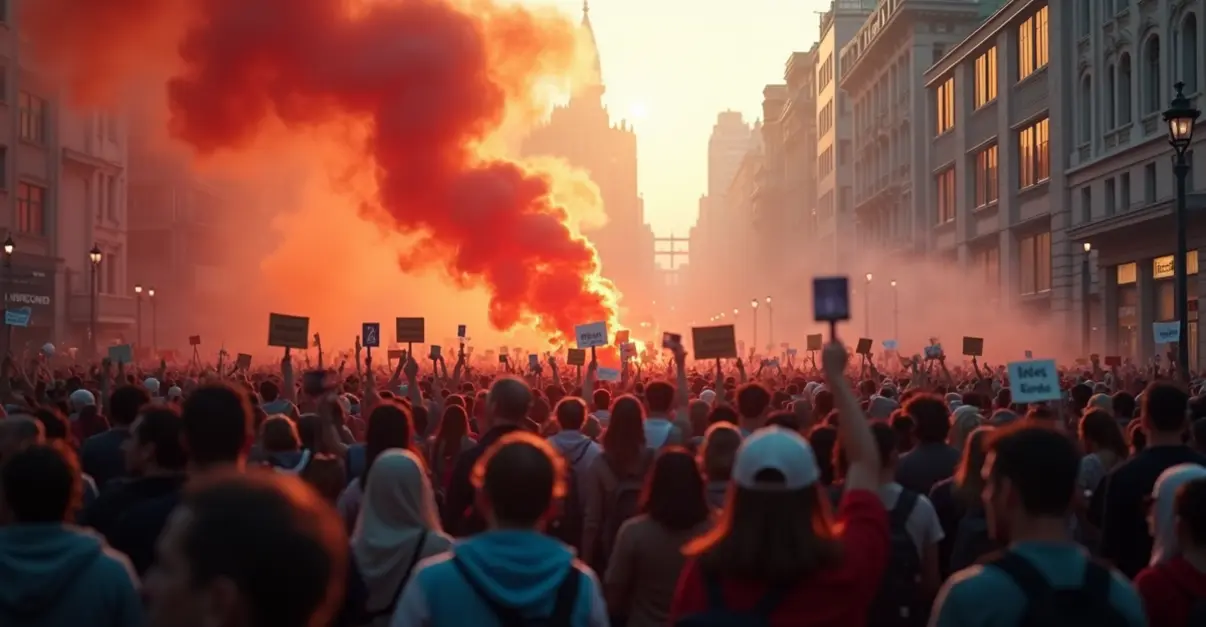
In New York City, thousands marched from Central Park through Times Square, with actor Robert De Niro among the participants. Los Angeles saw approximately 1,000 protesters surround the Roybal Federal Building, resulting in clashes with police and at least two arrests after demonstrators threw rocks at officers. Chicago protests focused on ending the war in Iran and dismantling ICE, while demonstrations in traditionally conservative 'deep red' cities like Palm Beach, Florida, and Dallas, Texas, indicated growing opposition in Republican strongholds.
International solidarity protests occurred in Paris, Berlin, London, and other global cities under the 'No Tyrants' banner in constitutional monarchies, showing how the American protest movement has inspired similar actions worldwide.
Organizers' Grievances and White House Response
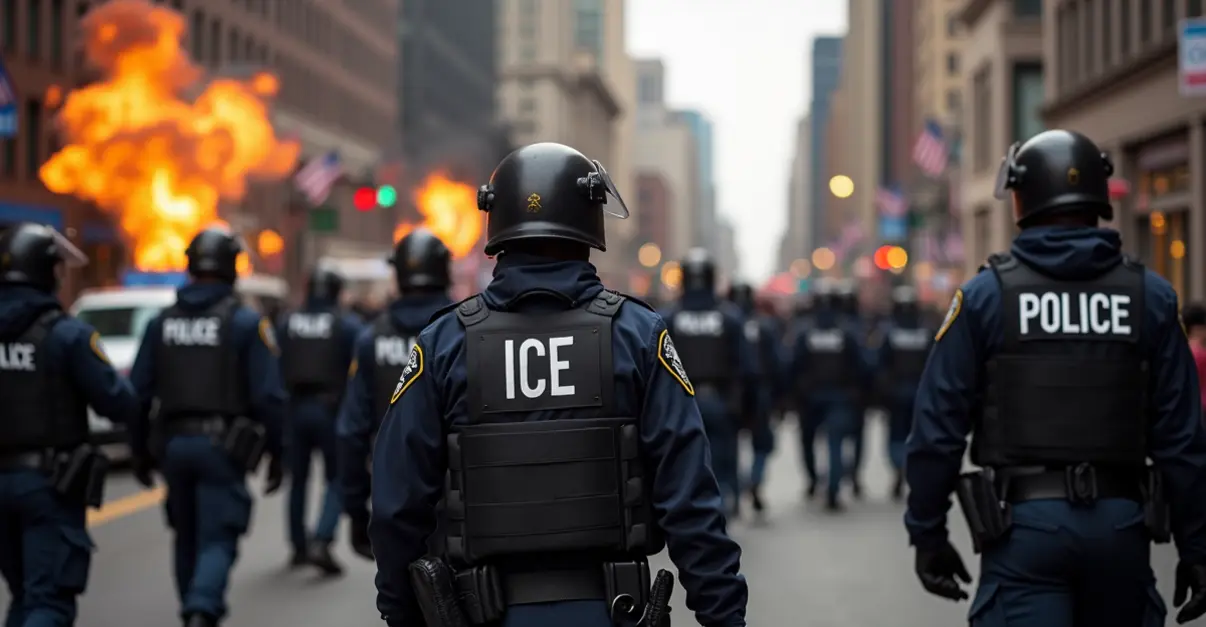
Protest organizers cited multiple grievances against the Trump administration, including aggressive immigration enforcement by ICE, the ongoing war in Iran under Operation Epic Fury, rollbacks of transgender rights, and what they describe as unchecked executive power. The movement specifically criticizes the administration's military spending while domestic living costs continue to rise for American families.
The White House dismissed the protests as 'Trump Derangement Therapy Sessions,' with spokesperson Abigail Jackson stating that only media covering the events were paying attention. President Trump previously called the protests 'a joke' and emphasized his work ethic, saying, 'I work hard for this country, I don't sit on a throne.' The administration's response reflects the deepening political polarization that has characterized American politics throughout Trump's second term.
Impact and Implications for American Politics
The scale of the March 2026 protests suggests significant erosion of support for the Trump administration, even in traditionally conservative areas. With an estimated 8 million participants representing approximately 2.4% of the U.S. population, the movement is approaching the theoretical 3.5% threshold that some political scientists believe can trigger substantial political change.
The protests also highlight growing concerns about executive overreach and the health of American democratic institutions. As the movement continues to grow with each iteration, political analysts are watching closely to see whether this grassroots opposition will translate into electoral consequences in the upcoming midterm elections. The demonstrations represent a significant challenge to the Republican political strategy and could influence policy debates around immigration, military engagement, and executive authority.
Frequently Asked Questions (FAQ)
What does 'No Kings' mean?
'No Kings' refers to the protest movement's opposition to what organizers perceive as President Trump's monarchical approach to governance, emphasizing that American democracy rejects absolute authority.
How many people participated in the March 2026 protests?
Organizers estimate approximately 8 million participants across all 50 states and internationally, making it one of the largest coordinated protests in recent American history.
What are the main grievances of the protest movement?
Primary concerns include aggressive ICE enforcement, the war in Iran, rollbacks of transgender rights, unchecked executive power, and military spending priorities.
How has the White House responded?
The Trump administration has dismissed the protests as 'Trump Derangement Therapy Sessions' and maintains that they represent only a small fraction of Americans.
Will there be more No Kings protests?
Given the movement's growth from 5 million in June 2025 to 8 million in March 2026, organizers indicate plans for continued demonstrations as long as their grievances remain unaddressed.
Sources
The Guardian Live Coverage
Britannica No Kings Protests Entry
CBS News Report
Newsweek White House Response
Variety Springsteen Performance

Follow Discussion