


 Deutsch
 English
 Español
 Français
 Nederlands
 Português


 Share
Share




Robert Mueller Death Explained: FBI Director Who Investigated Trump-Russia Ties Dies at 81
Former FBI Director Robert Mueller, the special counsel who led the historic investigation into Russian interference in the 2016 presidential election and potential ties between Donald Trump's campaign and Moscow, has died at age 81. His family announced his passing on March 21, 2026, revealing he had been battling Parkinson's disease. The decorated Marine veteran and career public servant leaves behind a complex legacy defined by his two-year Russia investigation that shadowed the Trump presidency and continues to shape American politics today.
What Was the Mueller Investigation?
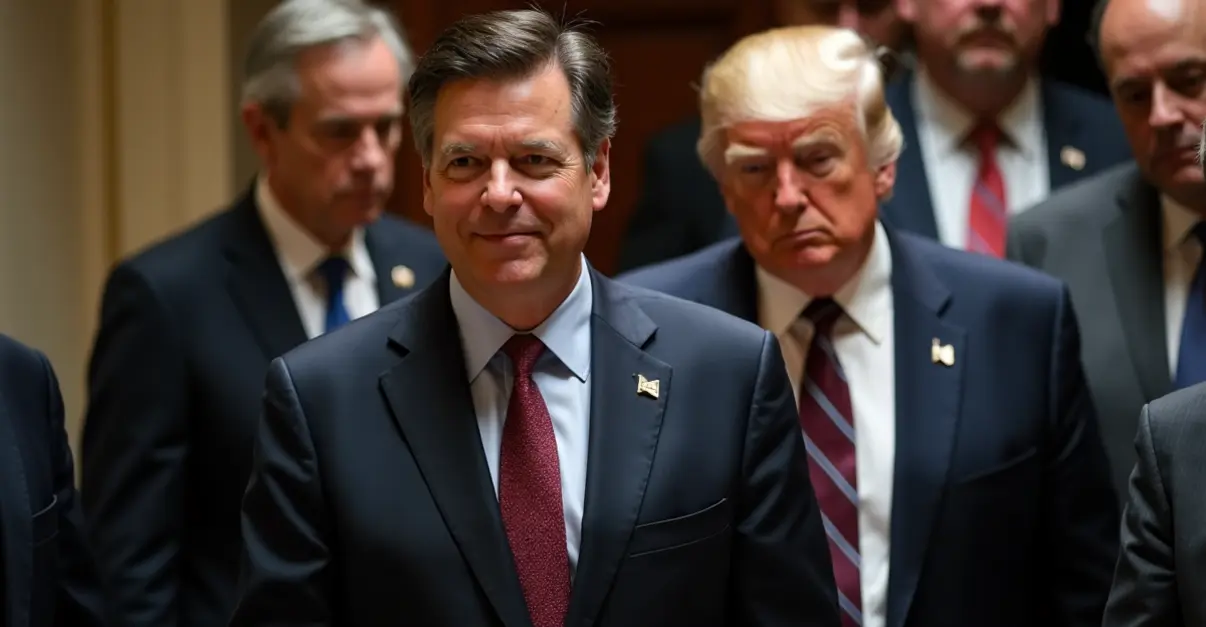
The Mueller investigation, officially known as the Special Counsel investigation into Russian interference in the 2016 United States elections, was a 22-month probe that produced a 448-page report detailing extensive Russian efforts to influence the presidential election. Appointed by Deputy Attorney General Rod Rosenstein in May 2017, Mueller examined whether members of the Trump campaign conspired with Russian government officials and whether President Trump obstructed justice.
The investigation resulted in 34 indictments against individuals and three Russian companies, with seven guilty pleas and convictions. Key findings included evidence that Russia conducted a 'sweeping and systematic' interference campaign through social media manipulation and hacking operations targeting Democratic candidate Hillary Clinton. While the report did not establish a criminal conspiracy between the Trump campaign and Russia, it detailed 10 instances where President Trump potentially obstructed justice, including attempts to fire Mueller himself.
Robert Mueller's Distinguished Career
Before leading the Russia investigation, Robert Mueller had already established himself as one of America's most respected law enforcement officials. Born August 7, 1944, Mueller served as a Marine Corps officer during the Vietnam War, earning a Bronze Star for heroism and a Purple Heart after being wounded in combat. His military service contrasted sharply with President Trump's multiple draft deferments, a point highlighted by critics of Trump's response to Mueller's death.
FBI Director and Public Service
Mueller served as FBI director from 2001 to 2013, appointed by President George W. Bush and reappointed by President Barack Obama. He was the only FBI director since J. Edgar Hoover to receive a special extension beyond the statutory 10-year limit. During his tenure, he oversaw the FBI's transformation after the 9/11 attacks and prosecuted high-profile cases including those against mafia boss John Gotti and Pan Am Flight 103 bomber Abdelbaset al-Megrahi.
His career included serving as U.S. Attorney for Massachusetts, Assistant Attorney General for the Criminal Division, and acting Deputy Attorney General. Mueller was known for his integrity and nonpartisan approach, having been appointed to Senate-confirmed positions by presidents from both parties. This bipartisan respect made his later conflict with the Trump administration particularly notable in the context of American political polarization.
Trump's Controversial Reaction to Mueller's Death
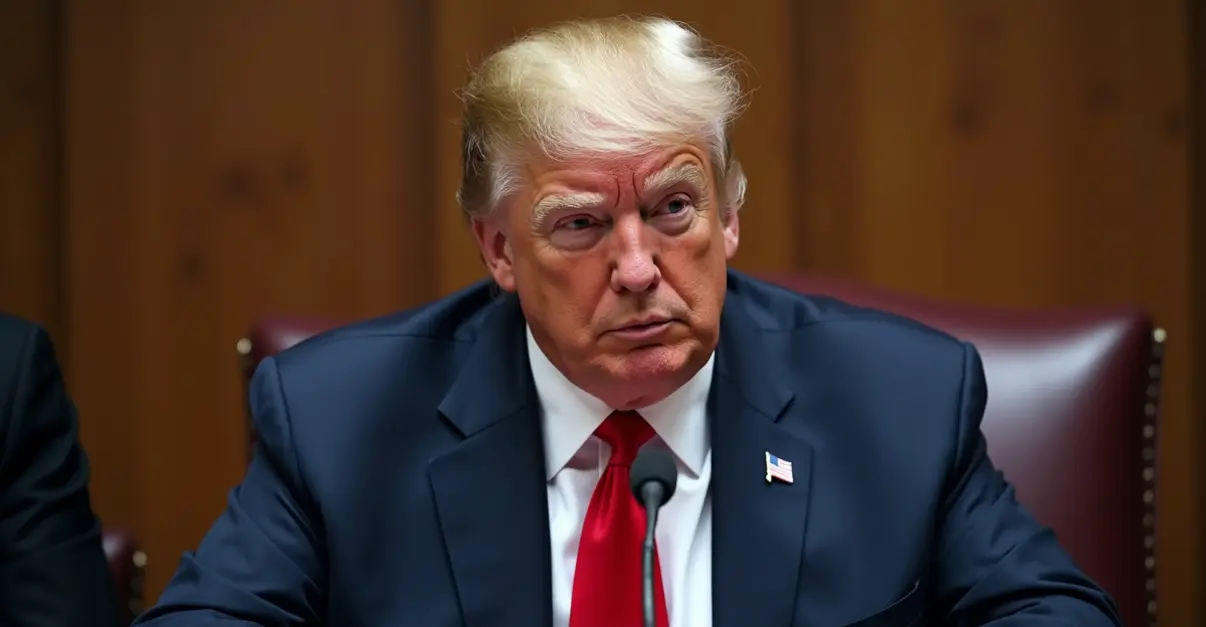
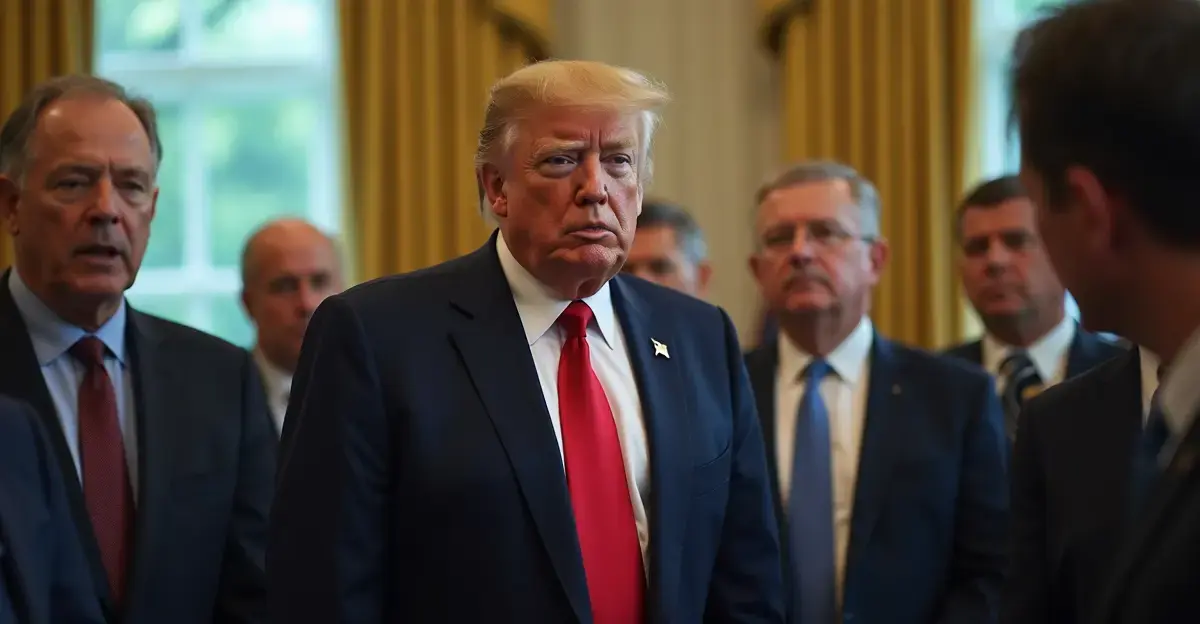
President Donald Trump sparked immediate controversy with his response to Mueller's death, posting on his Truth Social platform: 'Robert Mueller just died. Good, I'm glad he's dead. He can no longer hurt innocent people!' The statement drew widespread condemnation from both Republican and Democratic officials, with many calling it 'disgusting,' 'unconscionable,' and a breach of presidential decorum.
Democratic Senator Adam Schiff wrote on social media that Trump 'proves every day his vulgarity and unfitness for the presidency,' while former Republican National Committee chair Michael Steele called Trump 'a horrible, disgusting man without morals.' The reaction highlighted ongoing tensions surrounding the Russia investigation and raised questions about the normalization of extreme political rhetoric.
Political Fallout and Double Standards
Critics noted a stark double standard in Trump's response compared to his administration's previous condemnation of those celebrating political violence. After the murder of conservative influencer Charlie Kirk, Vice President Vance had urged people to 'call out anyone celebrating Charlie's death' and contact their employers. Several individuals lost jobs or visas for celebrating Kirk's death, creating what many see as a hypocritical standard when Trump himself celebrates Mueller's passing.
Progressive influencer Harry Sisson responded: 'I expect every Republican who was outraged about people celebrating Charlie Kirk's death to immediately condemn Trump for saying about Robert Mueller: 'I'm glad he's dead.' This is disgusting.' The controversy reflects deeper divisions in American politics and the ongoing debate about presidential conduct and accountability.
Legacy of the Russia Investigation
The Mueller investigation's legacy remains deeply contested in American politics. While the report did not lead to criminal charges against President Trump, it documented extensive Russian interference and raised serious questions about presidential conduct. The investigation revealed numerous contacts between Trump associates and Russian officials, though it found insufficient evidence to establish a criminal conspiracy.
Mueller's decision not to make a traditional prosecutorial judgment about obstruction of justice – citing Department of Justice policy against indicting a sitting president – left the matter to Congress, which ultimately did not impeach Trump over the Russia investigation findings. However, the investigation did lead to significant legal consequences for Trump associates, including convictions of campaign chairman Paul Manafort, national security advisor Michael Flynn, and personal attorney Michael Cohen.
Impact on American Institutions and Democracy
The Mueller investigation and its aftermath have had lasting impacts on American democratic institutions. The investigation revealed vulnerabilities in election security and foreign interference capabilities that continue to concern national security experts. It also highlighted the challenges of investigating a sitting president and the limitations of existing legal frameworks.
Mueller's death comes at a time when the integrity of American elections remains a central political issue, with ongoing debates about foreign interference, campaign finance, and presidential accountability. The contrasting responses to his passing reflect broader divisions about the rule of law, presidential norms, and the appropriate boundaries of political discourse in the United States.
Frequently Asked Questions
What did the Mueller investigation find?
The Mueller investigation found that Russia conducted 'sweeping and systematic' interference in the 2016 election to help Donald Trump, but did not establish a criminal conspiracy between the Trump campaign and Russia. The report detailed 10 instances of potential obstruction of justice by President Trump.
Why didn't Mueller charge Trump?
Mueller cited Department of Justice policy that prohibits indicting a sitting president. He stated explicitly that the report 'does not exonerate' Trump and left the obstruction question to Congress, which has impeachment power.
How many people were charged in the investigation?
The investigation resulted in charges against 34 individuals and three Russian companies, with seven guilty pleas and convictions. Notable convictions included Paul Manafort, Michael Flynn, and Michael Cohen.
What was Robert Mueller's background?
Mueller was a decorated Marine veteran who served in Vietnam (Bronze Star, Purple Heart), served as FBI director from 2001-2013, and had a 50-year career in public service including positions under presidents from both parties.
Why is Trump's reaction controversial?
Trump's celebration of Mueller's death is controversial because it violates norms of presidential decorum, contrasts with his administration's condemnation of similar behavior, and disrespects a decorated veteran and career public servant.


Follow Discussion