


 Deutsch
 English
 Español
 Français
 Nederlands
 Português


 Share
Share




EU Vegaburger Ban Explained: What's Allowed & Banned in 2026
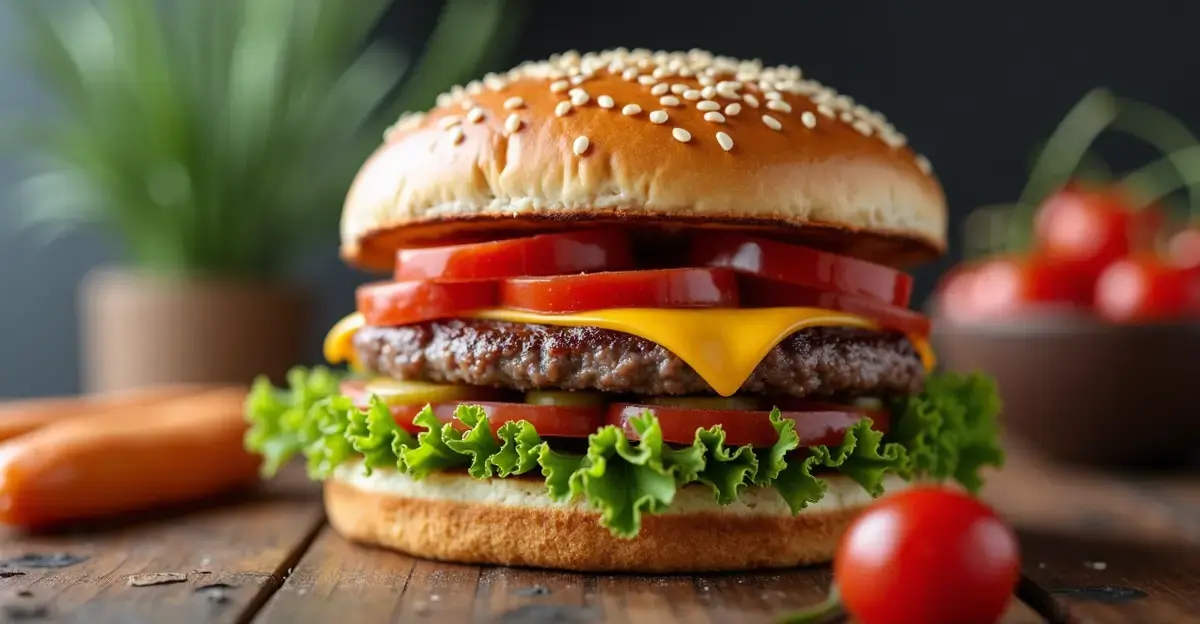
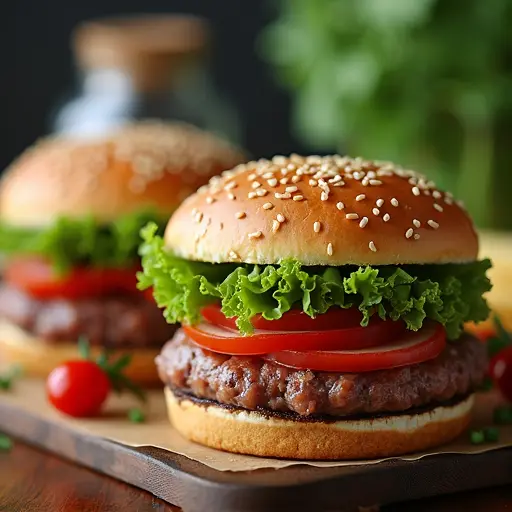
In a landmark decision on March 5, 2026, European Union lawmakers reached a compromise agreement that allows 'vegaburger' and 'vegan sausage' to keep their names while banning 31 meat-related terms for plant-based and cultivated meat products. This controversial EU meat labeling regulation represents a significant victory for traditional livestock farmers but has sparked criticism from alternative protein producers and consumer groups who argue it creates unnecessary confusion and market barriers.
What is the EU Vegaburger Ban?
The EU vegaburger ban is part of broader agricultural market reforms that restrict how plant-based and cultivated meat products can be labeled. After months of intense negotiations between the European Parliament, EU member states, and the European Commission, lawmakers agreed to prohibit 31 specific meat-related terms while allowing more general terms like 'burger' and 'sausage' to remain. The regulation aims to strengthen the position of livestock farmers in food supply markets and prevent what supporters call 'consumer confusion' about the nature of meat alternatives.
'This agreement is very important for farmers because it offers them better protection,' said BBB-Europarliamentarian Jessika van Leeuwen, who nonetheless expressed disappointment that 'burger' and 'sausage' weren't included on the banned list.
What Terms Are Banned vs. Allowed?
Banned Meat-Related Terms (31 total)
The comprehensive 'black list' includes terms that specifically refer to animals or animal body parts:
- Beef/Rundvlees
- Veal/Kalfsvlees
- Pork/Varkensvlees
- Chicken/Kip
- Steak
- Bacon/Spek
- Drumstick
- Wing/Vleugel
- Liver/Lever
- Breast/Borst
- Ribeye
- T-bone
- Loin
- Ribs
- Tenderloin
Allowed General Terms
Products can continue using these more general descriptors:
- Burger
- Sausage/Worst
- Schnitzel
- Nuggets
- Ham
- Escalope
Impact on Major Brands and Products
The Dutch company The Vegetarische Slager (The Vegetarian Butcher) will need to rename several of its popular products, including 'Vegetarian Chicken Pieces' which can no longer use the term 'chicken.' General Director Rutger Rozendaal expressed concern that 'new names for vegaproducts will be less understandable and cause confusion.' He added that the 'meat term' ban will lead to 'unnecessary costs for producers who are focusing on sustainability.'
Major international brands like Beyond Meat and Heura will also be affected, though their 'Beyond Burger' and 'nuggets' can keep their current names since 'burger' and 'nuggets' remain allowed. The regulation extends to cultivated meat products, which are made from animal cells in laboratories but aren't yet commercially available in Europe.
Political Reactions and Controversy
The decision has divided European politicians along ideological lines. Europarliamentarian Anna Strolenberg (Volt) expressed relief that 'vegaburger' remains allowed but noted, 'Unfortunately, there are a number of words that do end up on the black list. A shame, Europe should support innovative entrepreneurs instead of creating barriers.'
VVD-Europarliamentarian Jeannette Baljeu called the agreement 'symbolic politics,' emphasizing that 'The Netherlands is leading in this food technology. A fantastic example of food innovation that we should stimulate instead of strangling.'
French MEP Céline Imart, who led the push for terminology protection, successfully added 'steak' and 'liver' to the restricted list at the last minute to protect France's foie gras industry. This move highlights how the EU agricultural policy often balances competing national interests.
Implementation Timeline and Consumer Impact
Companies have three years to comply with the new regulations, meaning existing packaging with prohibited terms won't need immediate changes. The rules will officially take effect in 2029, giving manufacturers time to develop new branding and marketing strategies.
Consumer advocacy groups have raised concerns about the practical implications. The European Consumer Organisation (BEUC) warned that the new rules could increase confusion when shoppers seek healthier food options. Studies cited by opponents show that consumers aren't actually confused by current labeling practices, with terms like 'veggie burger' being widely understood.
Broader Implications for Food Innovation
This regulation comes at a critical time for Europe's alternative protein sector, which has been growing rapidly to meet sustainability goals and consumer demand for plant-based options. Critics argue that the ban creates unnecessary market barriers and contradicts EU priorities around innovation, food security, and the Green Deal objectives.
The decision also affects cultivated meat, a nascent technology that could significantly reduce the environmental impact of meat production. By restricting how these products can be described, the EU may be sending a negative signal to biotech innovators and potentially driving investment to other regions with more favorable regulatory environments.
Frequently Asked Questions (FAQ)
1. Can I still buy vegaburgers after 2026?
Yes, 'vegaburger' remains allowed under the new regulations. Only specific meat-related terms like 'steak,' 'bacon,' and 'chicken' are banned for plant-based products.
2. When do companies need to change their packaging?
Companies have three years to comply, so changes won't be required until 2029. Existing products can remain on shelves with current packaging during this transition period.
3. Does this affect fish products?
No, fish products remain exempt from these naming restrictions, following similar patterns to previous EU food labeling regulations.
4. What about terms like 'beef tomatoes'?
The European Commission can authorize exemptions for established terms like 'beef tomatoes' that have become part of common culinary language.
5. How will this affect prices?
Manufacturers warn that rebranding and repackaging could lead to increased costs, though the exact impact on consumer prices remains uncertain.

Follow Discussion