Nederlands
 English
 Deutsch
 Français
 Español
 Português





High-Profile Antitrust Hearing Examines Platform Dominance
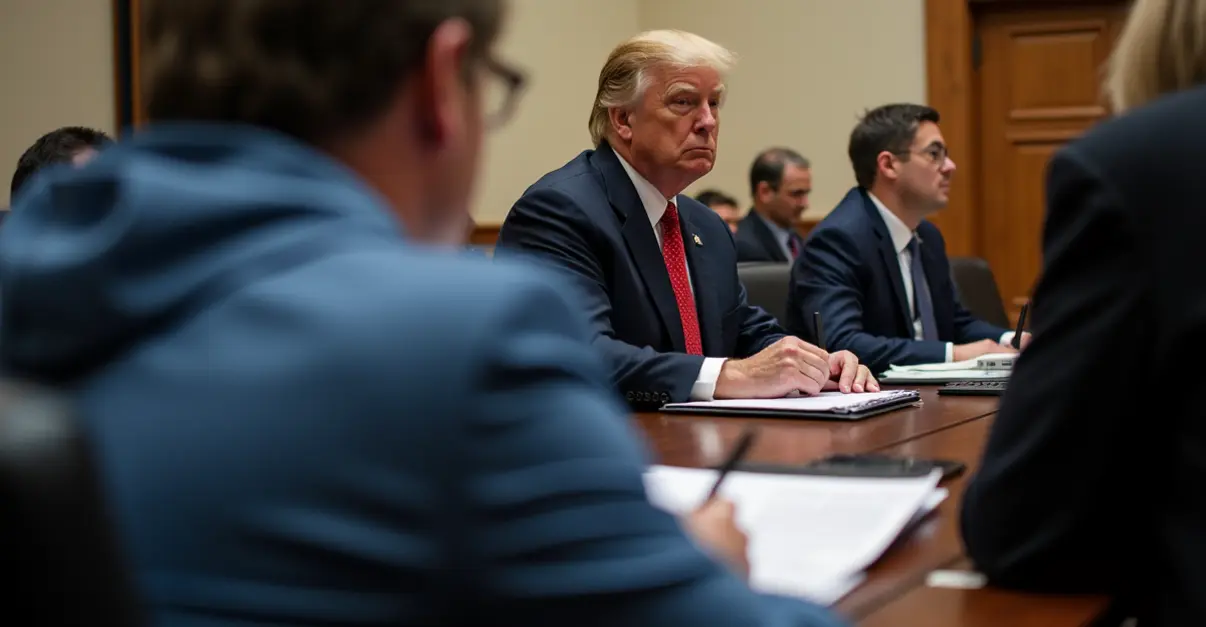
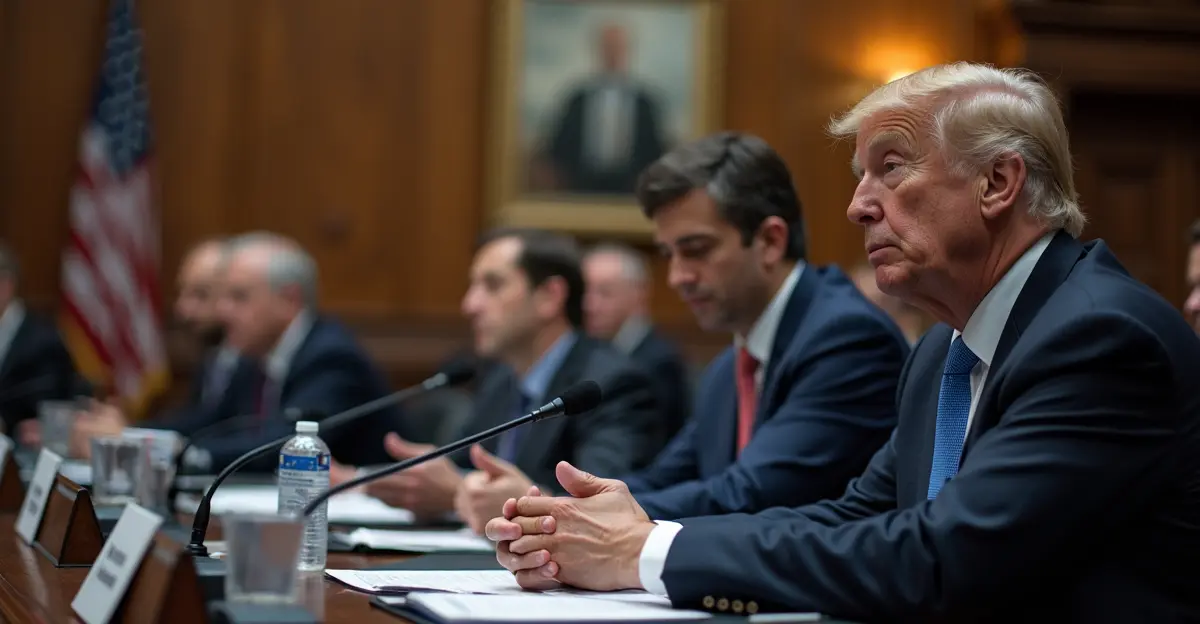
In a landmark congressional hearing that captured national attention, lawmakers grilled tech executives and antitrust experts about the growing power of digital platforms and the urgent need for data portability reforms. The hearing, which took place against the backdrop of escalating global antitrust enforcement, focused on how major technology companies maintain their market dominance and what remedies could restore competitive balance.
'We're at a critical juncture where platform power threatens to stifle innovation and consumer choice,' testified Dr. Elena Rodriguez, a leading antitrust scholar from Stanford University. 'Data portability isn't just a technical feature—it's a fundamental right that enables market entry and competition.'
The Data Portability Debate
Central to the hearing was the concept of data portability—the ability for users to transfer their data between competing services. Witnesses argued that current platform practices create significant switching costs that lock users into ecosystems, effectively preventing meaningful competition. 'When you can't take your social graph, your purchase history, or your content library with you, you're essentially trapped,' explained consumer advocate Marcus Chen.
The discussion referenced the European Union's Digital Markets Act (DMA), which mandates data portability and interoperability for designated 'gatekeeper' platforms. Since its implementation in 2023, the DMA has forced Alphabet, Amazon, Apple, ByteDance, Meta, and Microsoft to open their ecosystems, with early data showing increased usage of independent browsers and services in European markets.
Competitive Landscape Implications
Testimony revealed how platform power extends beyond traditional market definitions. 'We're not just talking about market share percentages,' noted Federal Trade Commission official David Park. 'We're talking about control over entire digital ecosystems—from app stores to cloud services to advertising networks. This creates a web of dependencies that's nearly impossible for new entrants to navigate.'
The hearing examined several recent developments shaping the 2025-2026 antitrust landscape. According to WSGR's 2026 antitrust preview, artificial intelligence remains a major focus, with enforcers scrutinizing AI investments and partnerships that could create market lock-in. Meanwhile, courts have begun recognizing market dynamism in cases against Google and Meta, noting that emerging technologies like generative AI and platforms like TikTok create competitive threats.
Remedies and Regulatory Approaches
Witnesses proposed various remedies, ranging from structural changes to behavioral mandates. 'We need a multi-pronged approach,' suggested former Department of Justice antitrust chief Rebecca Torres. 'Structural remedies like potential breakups should remain on the table, but we also need robust behavioral requirements—especially around data access and interoperability.'
The hearing highlighted the tension between different regulatory philosophies. As noted in research comparing EU and US approaches, the EU tends toward stronger regulatory structures, while the US relies more on federal enforcement agencies and antitrust common law. This divergence creates challenges for multinational platforms facing overlapping obligations.
Industry Response and Future Outlook
Tech industry representatives pushed back against calls for sweeping regulation. 'Our platforms have created unprecedented value for consumers and businesses alike,' argued TechNet spokesperson Samantha Lee. 'Heavy-handed regulation risks stifling the very innovation that has driven economic growth and technological advancement.'
However, lawmakers appeared unconvinced. 'When six companies control the digital experiences of billions of people, we have a responsibility to ensure those markets remain open and competitive,' stated House Antitrust Subcommittee Chair Rep. Alexandra Chen. 'Data portability is just the beginning—we need comprehensive reforms to address platform power across the board.'
The hearing concluded with commitments for further investigation and potential legislative action. With antitrust enforcement expected to remain aggressive through 2026, according to Bloomberg Law analysis, the debate over platform power and data portability is likely to intensify in coming months.