Deutsch
 English
 Español
 Français
 Nederlands
 Português






Major Urban Rail Extension Project Secures Critical Funding
In a significant development for public transportation infrastructure, a major urban rail extension project has secured crucial funding through federal appropriations, marking a pivotal moment for transit development in 2026. The funding breakthrough comes as cities across North America continue to expand their rail networks to meet growing demand for sustainable transportation options.
Federal Funding Landscape for 2026
The Fiscal Year 2026 transportation funding landscape presents a complex picture for urban rail projects. According to the Federal Transit Administration's FY2026 Annual Report on Funding Recommendations, strategic investments in transit infrastructure remain a priority despite budgetary challenges. The report outlines funding allocations for various transit programs including capital investments, maintenance, safety improvements, and accessibility enhancements.
However, the funding environment has become increasingly polarized. The House Appropriations Committee has unveiled the FY 2026 Transportation, Housing and Urban Development (THUD) Appropriations Act, which includes significant cuts to public transit and passenger rail funding. The legislation provides $19.2 billion for public transit, representing an $1.7 billion (8.3%) cut from FY 2025 levels and $3.1 billion (13.9%) less than authorized by the Infrastructure Investment and Jobs Act.
'This funding represents a critical investment in our city's future,' said transit advocate Maria Rodriguez. 'Urban rail extensions are essential for reducing congestion, improving air quality, and connecting communities to economic opportunities.'
Project Implications and Community Impact
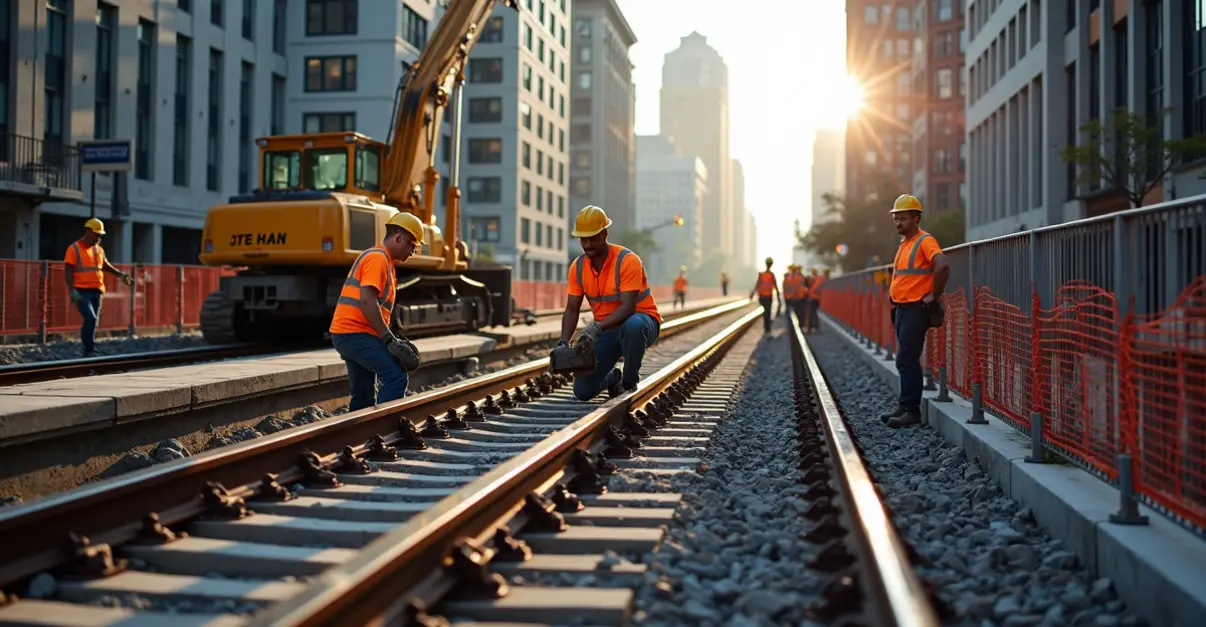
The secured funding for this urban rail extension project will have far-reaching implications for local communities, policy markets, and regional development. Urban rail projects typically generate significant economic benefits, including job creation during construction and operation, increased property values near stations, and improved access to employment centers.
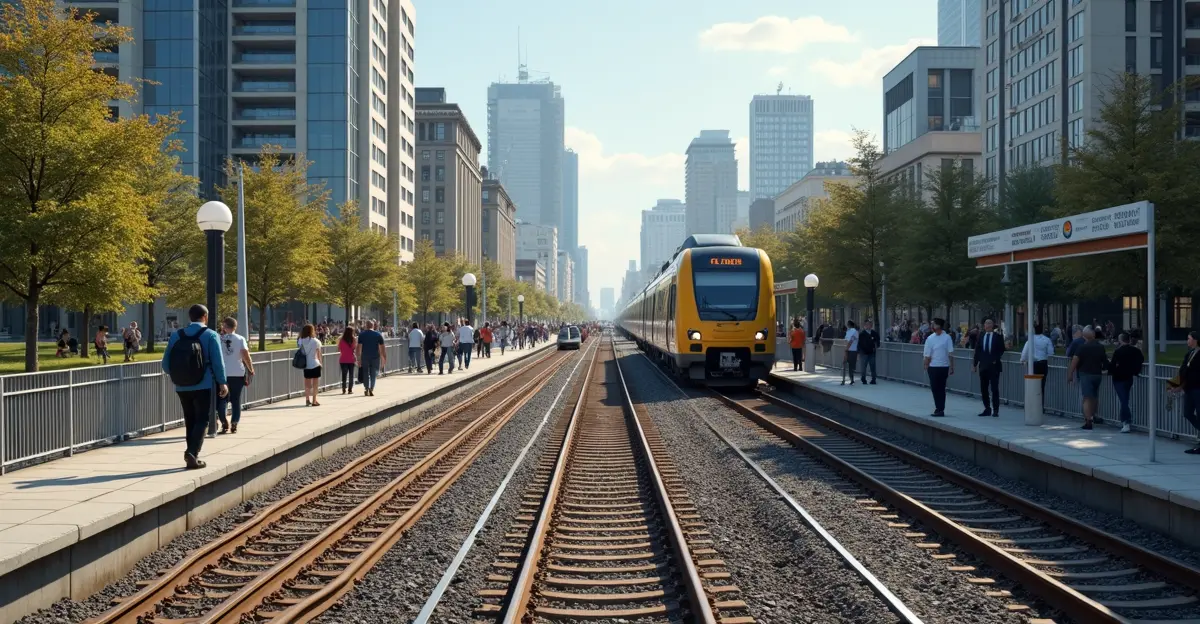
According to transit experts, successful rail extensions can transform urban mobility patterns. 'When you extend urban rail systems, you're not just adding tracks and stations—you're reshaping how people live, work, and move through cities,' explained transportation planner David Chen. 'These projects create more sustainable, connected communities and reduce dependence on private vehicles.'
The project aligns with broader trends in North American transit development. Major cities including Seattle, Charlotte, and Los Angeles are advancing significant transit projects in 2026, as highlighted in recent coverage of public transit projects. Seattle's Sound Transit Light Rail expansion, for instance, is adding 7.4 miles and two stations to connect South Bellevue to Downtown Seattle, serving over 120,000 daily riders.
Policy and Market Considerations
The funding approval process for urban rail extensions involves complex policy considerations and market dynamics. Capital Investment Grants, a key federal program for major transit projects, face particular scrutiny in the current fiscal environment. The House THUD bill proposes a dramatic 56.5% reduction to $1.65 billion for these grants, with only $54 million in General Fund appropriations.
Despite these challenges, the Senate Committee on Appropriations advanced the FY 2026 Transportation Appropriations Bill on July 24, 2025, with bipartisan support (27-1 vote). This legislation provides $21.1 billion for public transit, representing a 1% increase from FY 2025 and $1.94 billion more than the House version. Key provisions include $3.55 billion for Capital Investment Grants and $2.4 billion for Amtrak grants.
'The bipartisan support in the Senate demonstrates that public transportation remains a priority across party lines,' noted policy analyst Sarah Johnson. 'However, the discrepancy between House and Senate proposals creates uncertainty for long-term project planning.'
Future Outlook and Sustainability
Looking ahead, the successful funding of this urban rail extension project signals continued commitment to transit infrastructure despite fiscal pressures. The project will likely incorporate modern design elements, accessibility features, and sustainability considerations that reflect evolving standards in public transportation.
Urban rail systems across Canada and the United States continue to evolve, with cities implementing various technologies from traditional heavy rail subways to modern light metro systems. As documented in Wikipedia's overview of urban rail transit in Canada, these systems encompass commuter rail, rapid transit, light rail, and streetcar systems that serve diverse urban environments.
The project's success will depend on effective implementation, community engagement, and ongoing operational support. 'Securing funding is just the first step,' emphasized project manager Michael Thompson. 'The real work begins with careful planning, construction, and ensuring the extension meets community needs for decades to come.'
As cities continue to grow and climate concerns intensify, investments in urban rail extensions represent a strategic approach to sustainable urban development. The funded project joins a growing portfolio of transit initiatives aimed at reducing carbon emissions, improving mobility equity, and creating more livable urban environments for future generations.