
 Deutsch
 English
 Español
 Français
 Nederlands
 Português






Mount Etna Guides Strike Over 'Excessive' Safety Rules
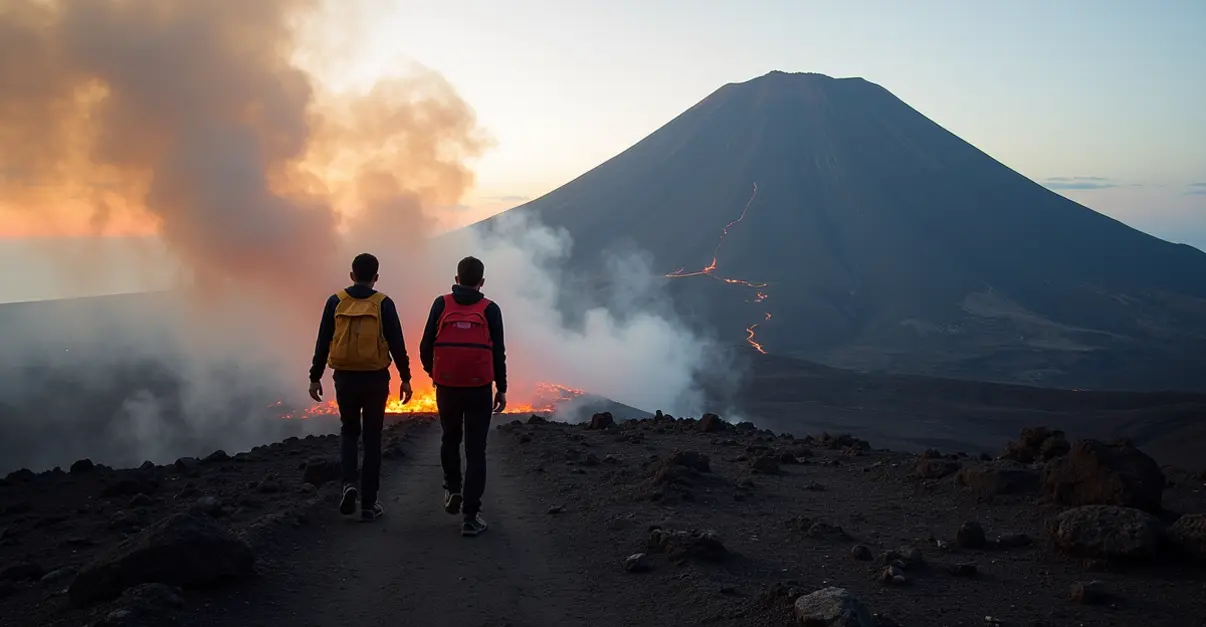
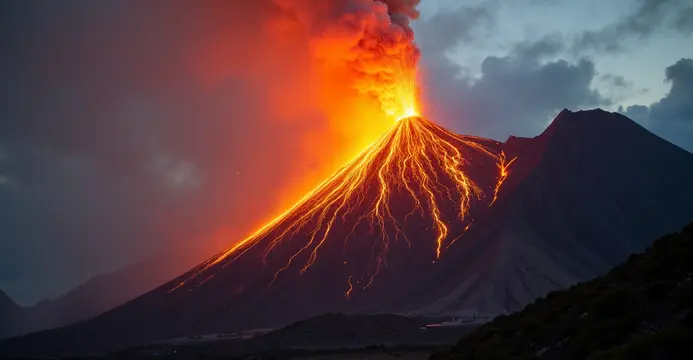
Volcano guides at Sicily's Mount Etna, Europe's most active volcano, have launched a rare strike protesting new safety restrictions imposed by authorities following recent eruptions. The conflict has erupted between local authorities and professional guides who lead thousands of tourists annually to witness the spectacular lava flows of the 3,403-meter tall stratovolcano.
New Restrictions Spark Controversy
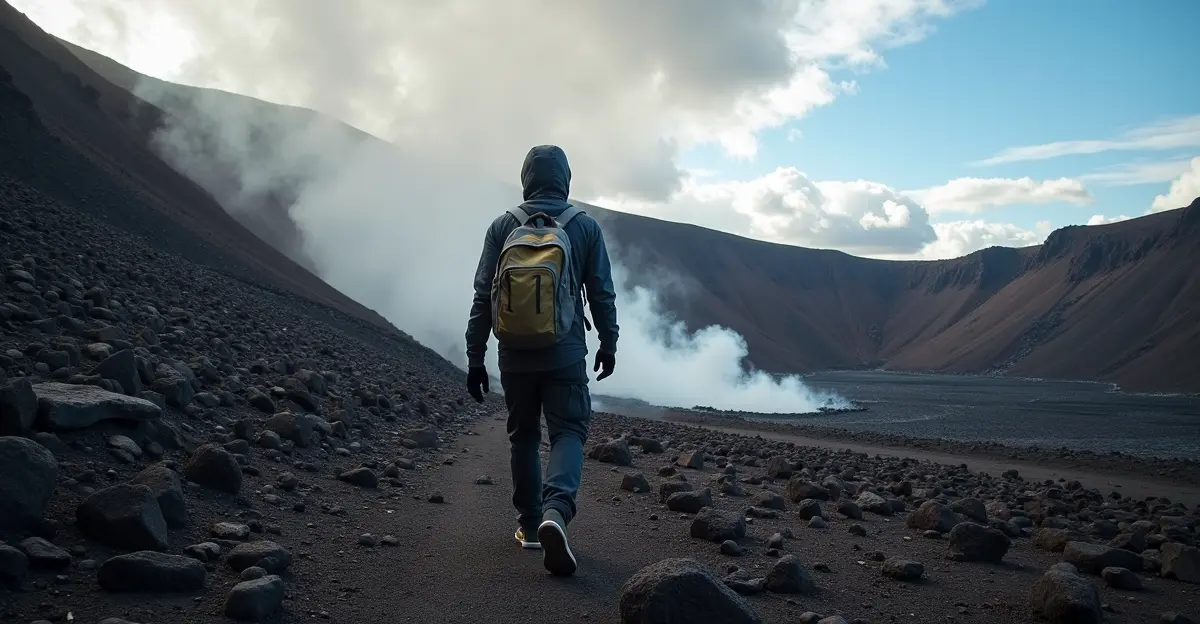
The new regulations, implemented after Mount Etna began erupting on Christmas Eve 2025, include several controversial measures: excursions are now only permitted until dusk, tourists must maintain a minimum distance of 200 meters from lava flows, group sizes are limited to 10 people, and drone surveillance monitors exclusion zones. These rules represent a significant tightening from previous guidelines that allowed closer access with guide supervision.
'These measures are completely excessive and ignore our professional expertise,' says Marco Rossi, a veteran Etna guide with 15 years of experience. 'The lava flows move slowly enough for safe observation when properly managed. We've been doing this safely for decades.'
Economic Impact on Tourism Industry
The restrictions have caused a dramatic 50% revenue drop for independent guide companies, according to industry reports. Night tours, which were particularly profitable due to the spectacular visual effects of glowing lava after dark, have been completely eliminated. The mandatory 200-meter buffer zone also prevents tourists from capturing the close-up photos and videos that have made Etna tours famous on social media.
Mount Etna, designated as a UNESCO World Heritage Site in 2013, attracts adventure seekers from around the world. The volcano's tourism industry supports hundreds of local jobs in Sicily, where unemployment remains a persistent challenge. 'This isn't just about safety—it's about our livelihoods,' explains guide association president Lucia Bianchi. 'We want to work with authorities, not against them, but these rules make our profession unsustainable.'
Scientific Perspective on Safety
Volcanologists from Italy's National Institute of Geophysics and Volcanology (INGV) confirm that while the eruption continues, the current lava flows pose no immediate threat to residential areas. The lava has reached approximately 1,360 meters above sea level before cooling, well below populated zones. However, authorities emphasize that unpredictable volcanic activity justifies precautionary measures.
'Every eruption is different, and safety must come first,' states Catania's civil protection director, Giovanni Marino. 'We've seen tourists taking dangerous selfies at lava edges in the past. Our responsibility is to prevent tragedies before they happen.'
The current conflict echoes similar tensions from summer 2025 when authorities banned approaches within 50 meters of lava after tourists were photographed taking selfies at the edge of flowing lava rivers. That incident prompted Biancavilla's mayor to declare, 'Safety comes first,' establishing the precedent for stricter regulation.
Searching for Compromise
As the strike enters its second week, both sides are exploring potential compromises. Guides have proposed a tiered system where certified professionals with advanced training could lead smaller groups closer to lava under specific conditions. They also suggest reinstating sunset tours with enhanced safety protocols rather than a complete ban.
The regional tourism board acknowledges the economic impact but emphasizes balancing visitor safety with industry sustainability. 'Etna is one of Sicily's crown jewels for tourism,' says tourism commissioner Maria Conti. 'We need solutions that protect both visitors and the professionals who make these experiences possible.'
With Mount Etna's eruptions continuing but stabilizing, the resolution of this conflict will set important precedents for volcano tourism worldwide. As one disappointed tourist commented after her tour was cancelled, 'We came all the way from Japan to see this natural wonder. There must be a way to experience it safely.'
Follow Discussion