Nederlands
 English
 Deutsch
 Français
 Español
 Português
Venezuelan President Nicolás Maduro captured by US forces and flown to New York on drug terrorism charges, sparking international protests and celebrations while creating regional instability.
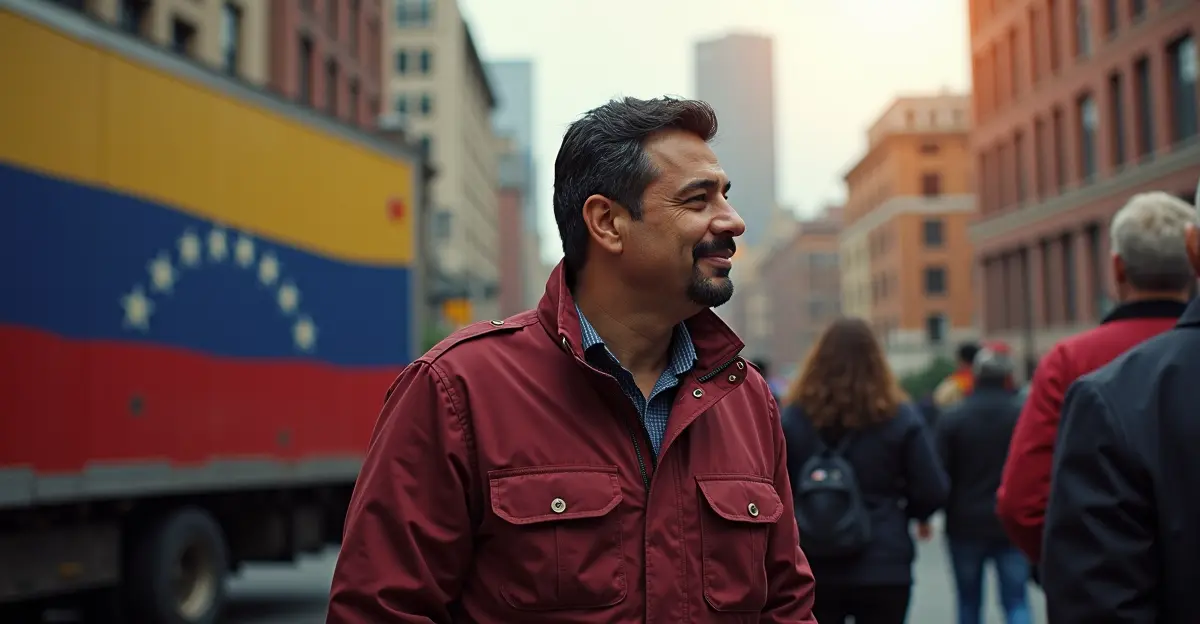
Venezuelan President Captured in Dramatic US Military Operation
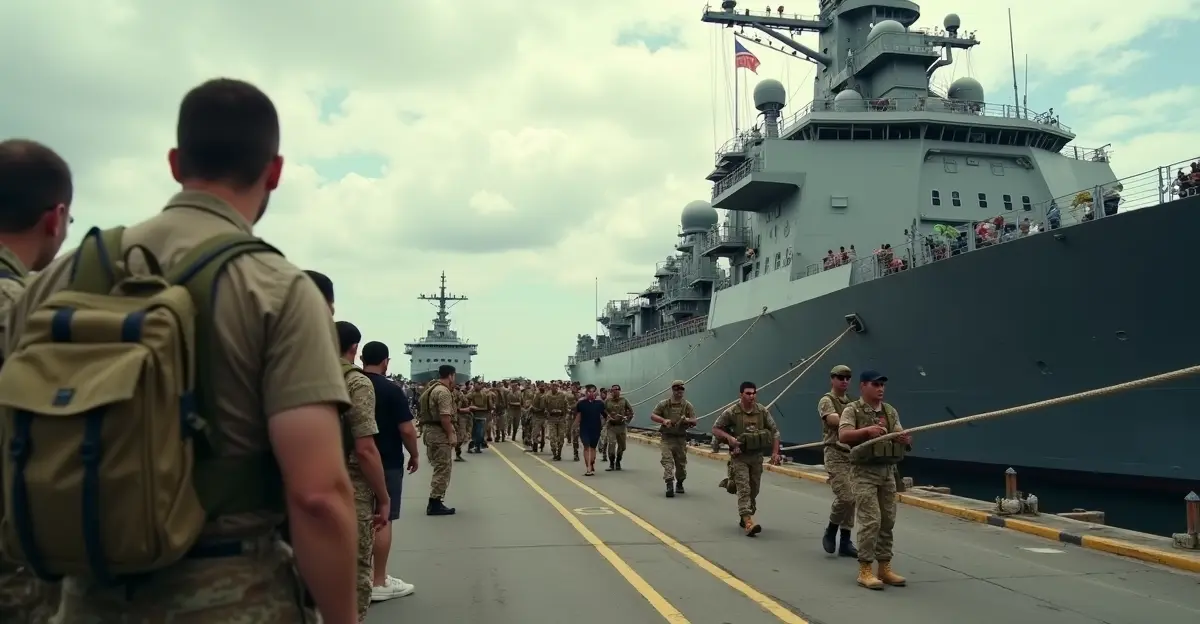
In a stunning escalation of tensions between the United States and Venezuela, President Nicolás Maduro was captured by US forces in a military operation early on January 3, 2026, and flown to New York to face federal drug trafficking and terrorism charges. The operation, codenamed Operation Absolute Resolve, involved over 150 aircraft targeting military installations near Caracas and resulted in at least 40 Venezuelan casualties, including civilians and military personnel.
Maduro and his wife, Cilia Flores, were transported aboard a military aircraft to Stewart Air Force Base in New York, where they were met by FBI agents and transferred to the Metropolitan Detention Center in Brooklyn. According to USA Today, Maduro faces four federal charges including narco-terrorism conspiracy, cocaine importation conspiracy, and illegal weapons counts.
International Reactions and Protests
The dramatic capture has sparked polarized reactions worldwide. In Caracas, thousands took to the streets to protest what Venezuelan Vice President Delcy Rodríguez called an 'illegal kidnapping and violation of our sovereignty.' Meanwhile, in Miami and other cities with large Venezuelan expatriate communities, celebrations erupted with crowds chanting 'freedom, freedom, freedom!'
International leaders have responded with starkly different perspectives. Cuban President Miguel Díaz-Canel condemned the operation as 'state terrorism,' while Argentina's President Javier Milei called it 'excellent news for democracy.' According to Al Jazeera, Mexico cited violations of the UN Charter, Colombia deployed troops to its border with Venezuela, and Brazil warned of a dangerous precedent.
The Charges and Legal Proceedings
The unsealed indictment alleges that Maduro, who has led Venezuela since 2013 following Hugo Chávez's death, helped ship 'thousands of tons' of cocaine to the United States over decades while using his government positions to protect drug traffickers. Prosecutors claim he provided diplomatic passports to criminals and facilitated money laundering operations that enriched himself, his family, and government officials.
'This is not just about drugs,' said a senior US official who spoke on condition of anonymity. 'This is about state-sponsored terrorism that has destabilized our hemisphere for years.'
Maduro's wife faces bribery charges for allegedly accepting payments to arrange meetings between drug traffickers and anti-drug officials. Other defendants include top Venezuelan officials and Maduro's son, who is accused of shipping cocaine to Miami.
Political Fallout and Regional Implications
The operation represents the most direct US military intervention in Latin America in decades and has created a power vacuum in Venezuela. Vice President Delcy Rodríguez, who was initially reported to be in Russia but is actually in Caracas, has assumed leadership and called for international support against what she terms 'American imperialism.'
Former US President Donald Trump, who has been vocal about Venezuela policy, stated at a press conference that the United States would 'run Venezuela and pump oil again.' This comment has raised concerns about US intentions regarding Venezuela's vast oil reserves, the largest in the world.
According to Wikipedia, the operation followed months of US military buildup in the Caribbean and was executed without congressional notification, raising legal questions about its authorization.
What Comes Next
Maduro is expected to be arraigned in federal court in Manhattan next week, where he will face the charges that could result in life imprisonment if convicted. The case is being handled by prosecutors in the Southern District of New York, known for handling high-profile international criminal cases.
The situation remains fluid, with uncertainty about how Venezuela's military and political institutions will respond. The country has been in economic crisis for years, with hyperinflation, food shortages, and mass emigration affecting millions. This dramatic development could either pave the way for political transition or plunge the region into deeper instability.
As the world watches, the fate of Venezuela hangs in the balance between international justice and national sovereignty, between decades of alleged criminal activity and the unprecedented means used to address it.