Deutsch
 English
 Español
 Français
 Nederlands
 Português






China's Tourism Push in Xinjiang Amid Human Rights Concerns
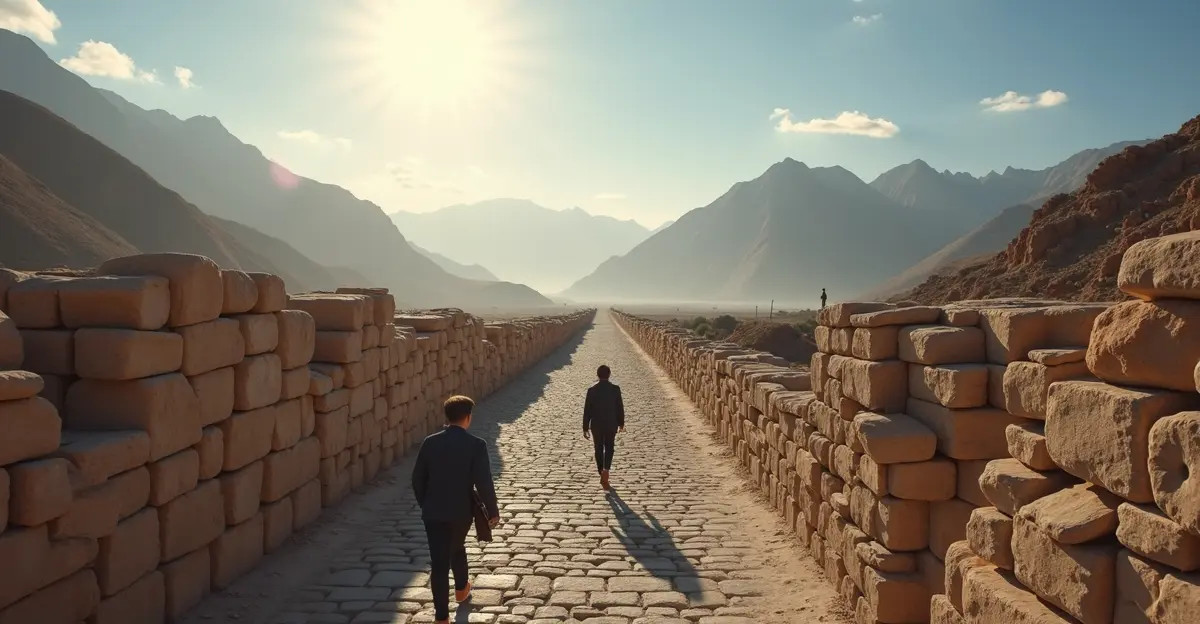
China is investing billions in tourism and inviting foreign vloggers and journalists to create "positive stories" about Xinjiang, the northwestern region internationally known for the mass detention of Uyghurs and other Muslim minorities. The Chinese government aims to transform Xinjiang's global reputation from one associated with human rights abuses to a thriving tourist destination, with the region welcoming over 300 million visitors in 2024 alone.
The Tourism Transformation
Xinjiang has undergone a dramatic tourism boom, with visitor numbers more than doubling since 2018. The Chinese government has poured billions into infrastructure development, renovating traditional neighborhoods for mass tourism, building winter sports parks, and flooding social media with promotional videos. 'Vroeger misschien, nu is dat voorbij. Als het land zich economisch ontwikkelt, is iedereen blij,' says Wang, a tourist from Beijing visiting the Heavenly Lake near Urumqi, reflecting the changing perceptions among domestic tourists.
According to BBC reports, Xinjiang offers stunning natural landscapes that visitors describe as "New Zealand, Switzerland and Mongolia all packed into one place." However, this tourism expansion occurs against a backdrop of serious human rights allegations documented by organizations like Human Rights Watch, which reports ongoing abuses including torture, forced disappearances, and mass surveillance.
The Propaganda Machine
China has systematically invited foreign vloggers and journalists on carefully curated trips that showcase only the region's natural beauty, cuisine, and economic development. These propaganda tours deliberately avoid closed mosques, detention facilities, and areas where human rights violations have been documented. As vlogger Michele Ponte summarized in a promotional video: 'Three words to describe Kashgar? Interesting, historical and great food.'
The strategy extends to social media platforms like YouTube, TikTok, and China's RedNote, where content creators produce glowing reviews of Xinjiang. A local representative acknowledged the effectiveness of this approach, stating that 'nothing is as good for Xinjiang's name as foreign visitors who take their own, positive stories home and spread them.'
Human Rights Context
While Chinese tourists largely remain unaware of Xinjiang's recent history due to strict censorship, international observers have access to extensive documentation of human rights abuses. The unofficial Uyghur Tribunal concluded that the Chinese government has committed genocide and crimes against humanity. Human rights organizations estimate that over a million Uyghurs were detained in "re-education camps" since 2016, with approximately half a million possibly still in custody.
The Campaign for Uyghurs has accused China of using tourism to "whitewash" its policies, describing Xinjiang as a "landscape of silence created by the perpetrators of genocide" behind scenic views and staged folk performances.
Leadership Changes and Future Outlook
In July 2025, significant leadership changes occurred in Xinjiang. Chen Xiaojiang replaced Ma Xingrui as the region's Party chief, according to China Daily reports. Ma, who focused on economic development, was unexpectedly replaced by Chen, who has extensive experience in ethnic affairs and anti-corruption work through his previous role in the United Front Work Department.
Experts express concern that this leadership change could signal a return to more repressive policies. 'Holding onto economic growth and attracting more tourists is difficult when someone's primary task is to "maintain security,"' notes one analyst familiar with the region's politics. The appointment of Chen, with his background in party discipline and ethnic affairs, suggests Beijing may prioritize stability over the tourism-driven economic growth championed by his predecessor.
As Xinjiang continues its tourism boom, the fundamental tension remains between economic development and human rights. While the region attracts record numbers of visitors, international scrutiny persists, with organizations like The Economist questioning whether global attention to Uyghur rights is waning. China's strategy of using tourism and social media influencers represents a sophisticated attempt to reshape global perceptions, but underlying human rights concerns continue to challenge this rebranding effort.