Nederlands
 English
 Deutsch
 Français
 Español
 Português
The U.S. Supreme Court upheld the TikTok ban law, forcing ByteDance to divest by January 2025. The ruling balances national security against the app's $24B economic impact and 4.7M supported jobs.
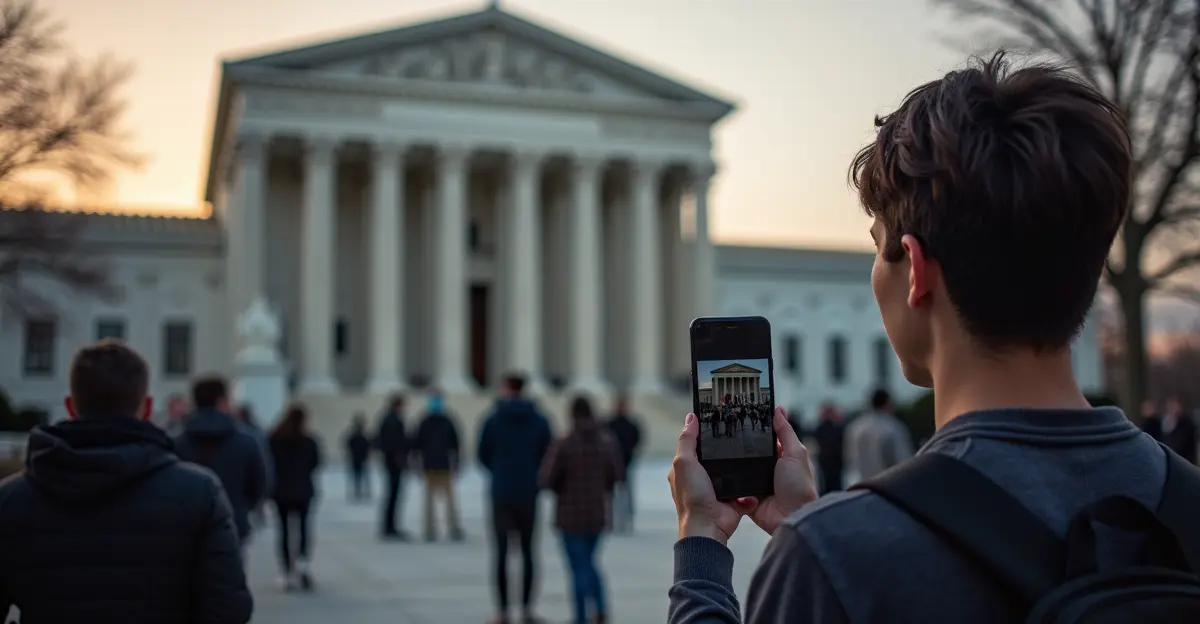
TikTok National Security Review Reaches Critical Juncture
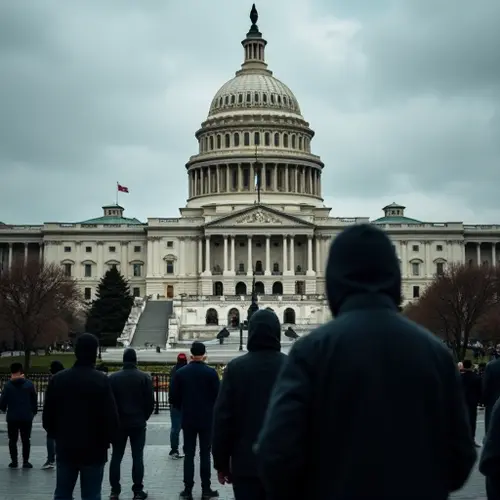
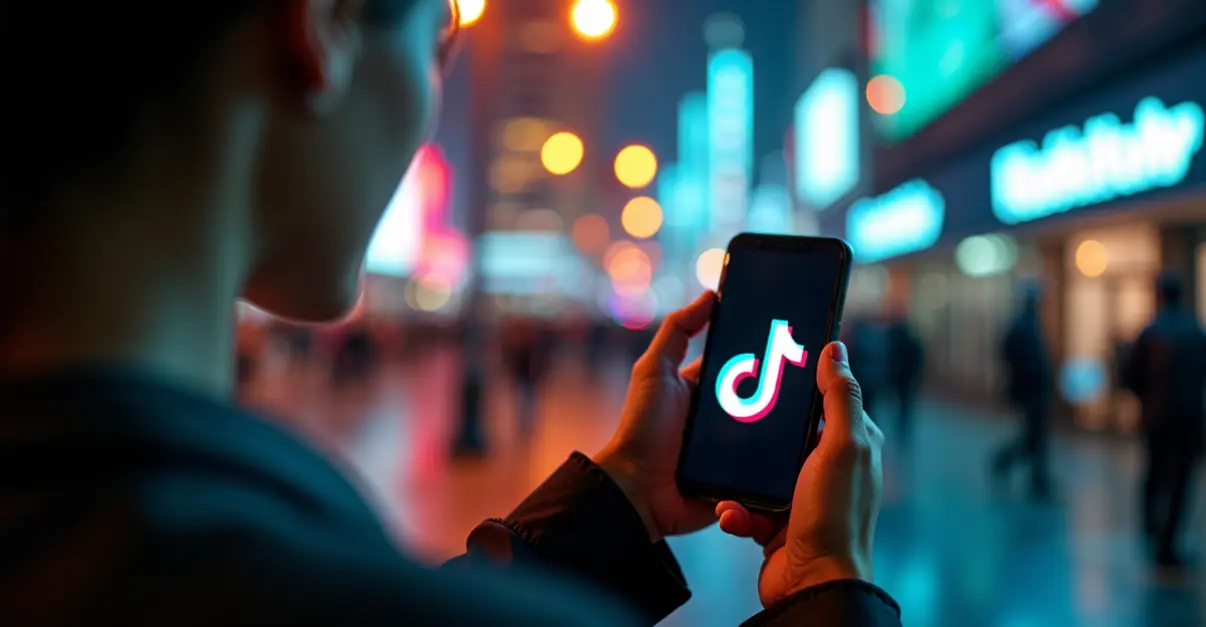
The United States Supreme Court has delivered a landmark ruling in TikTok Inc. v. Garland, unanimously upholding the constitutionality of the Protecting Americans from Foreign Adversary Controlled Applications Act (PAFACAA). This decision represents a pivotal moment in the ongoing national security review of the popular social media platform, which has over 170 million American users and is owned by Beijing-based ByteDance.
The Legal Battle and National Security Concerns
The Court applied intermediate scrutiny and found that the law, which forces ByteDance to divest its U.S. operations by January 19, 2025, or face a nationwide ban, does not violate the First Amendment. Justice Samuel Alito, writing for the majority, stated that 'the government has demonstrated an important interest in preventing the Chinese government from collecting sensitive data from American users'. The ruling determined the Act is content-neutral and narrowly tailored to address national security concerns about data vulnerability under Chinese law.
Key concerns driving the legislation include potential data theft, covert influence operations, and cyber espionage through TikTok's sophisticated algorithm. As noted in the GovFacts analysis, these fears stem from TikTok's Chinese ownership and the possibility that user data could be accessed by the Chinese government under national security laws.
Economic Implications and Market Reactions
The decision comes amid growing recognition of TikTok's substantial economic footprint. According to a recent Oxford Economics report, TikTok supports 7.5 million U.S. businesses employing over 28 million workers, with 4.7 million American jobs benefiting from platform usage. The platform has contributed $24.2 billion to U.S. GDP and supports millions of jobs in the creator economy.
Small business owner Maria Rodriguez, who built her artisanal candle company through TikTok, expressed concern: 'This platform transformed my business overnight. We went from local craft fairs to national distribution because of TikTok's algorithm. The uncertainty is terrifying for small creators like me.'
Policy Landscape and International Context
The Supreme Court's ruling follows years of escalating tensions between the U.S. and China over technology sovereignty. The PAFACAA represents one of the most aggressive measures taken against a foreign-owned tech platform in U.S. history. Policy experts note this sets a precedent for how democracies might regulate foreign-owned digital services perceived as national security threats.
Dr. Evelyn Chen, a cybersecurity policy analyst at Georgetown University, commented: 'This isn't just about TikTok—it's about establishing a framework for digital sovereignty in an interconnected world. The Court has essentially validated the government's authority to take extraordinary measures when national security and foreign ownership intersect.'
Internationally, TikTok faces restrictions in multiple countries. According to Wikipedia's censorship overview, countries including India, Iran, Afghanistan, and China itself (where TikTok is not available, though its sister app Douyin is) have imposed nationwide bans, while many others restrict TikTok on government-issued devices.
Community Impact and Creator Response
The TikTok community, particularly content creators and small businesses, faces significant uncertainty. Many creators have built careers and livelihoods on the platform, which has become a primary source of income for thousands of Americans. The potential ban threatens not just entertainment but entire business models that have emerged around short-form video content.
Tech entrepreneur and digital rights advocate Jamal Williams noted: 'We're witnessing a collision between national security priorities and digital economic reality. The creator economy wasn't a consideration when First Amendment jurisprudence developed, and now we're seeing how these principles apply to entirely new forms of expression and commerce.'
Looking Ahead: Implementation and Alternatives
With the January 19, 2025 deadline approaching, ByteDance faces a critical decision: divest its U.S. operations or see TikTok banned from American app stores and web hosting services. Potential buyers have emerged, but any sale would require approval from the Committee on Foreign Investment in the United States (CFIUS) and likely face scrutiny from Chinese regulators.
Meanwhile, competitors like Instagram Reels, YouTube Shorts, and emerging platforms stand to benefit from any disruption. However, as noted in a Harvard Technology Review article, some experts argue the real national security threat isn't data vulnerability but the 'attention economy' that systematically diverts users from meaningful activities.
The coming months will test the implementation of this unprecedented legislation and its impact on digital markets, free expression, and U.S.-China technological competition. As the national security review reaches its climax, stakeholders across policy, business, and creator communities await the next chapter in this defining digital age controversy.