Nederlands
 English
 Deutsch
 Français
 Español
 Português





Controversial Name Change at Washington's Cultural Landmark
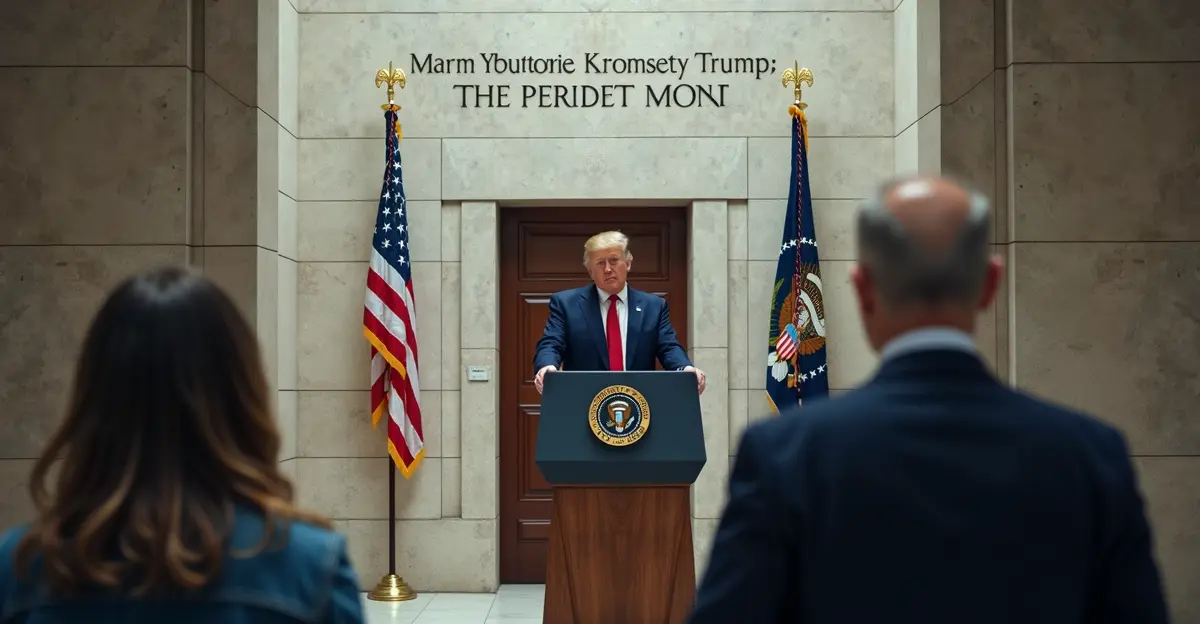
In a move that has ignited fierce debate and legal challenges, President Donald Trump has successfully added his name to the prestigious John F. Kennedy Center for the Performing Arts in Washington D.C. The building's marble facade now bears the inscription 'The Donald J. Trump and The John F. Kennedy Memorial Center for the Performing Arts' after construction workers installed the new lettering this week.
Board Vote Amidst Controversy
The Kennedy Center's board of trustees, now dominated by Trump loyalists after the president fired Biden-appointed members earlier this year, voted to approve the name change. White House spokesperson Leavitt defended the decision, stating, 'President Trump has done incredible work this year to save the building, not only in terms of reconstruction but also financially and reputationally.' However, Democratic board member Joyce Beatty disputed the unanimous nature of the vote, claiming her microphone was muted during the teleconference meeting where the decision was made.
Legal Questions and Congressional Authority
The name change faces significant legal hurdles. The Kennedy Center was established by Congress in 1964 through Public Law 88-260 as a 'living memorial' to President John F. Kennedy. Legal experts argue that only Congress has the authority to change the name of a federally-designated memorial. Georgetown Law professor David Super stated, 'There is absolutely no way they can do this legally without Congressional approval.' The 1964 legislation explicitly states the center is dedicated to JFK and requires the board to maintain this memorial purpose.
Kennedy Family Outrage
Members of the Kennedy family have expressed outrage at the name change. Kerry Kennedy, JFK's niece, vowed to personally remove Trump's name from the building. 'In three years and one month, I will take a pickaxe and pull those letters off the building. But I'll need someone to hold the ladder,' she declared. Other family members, including Maria Shriver and Joe Kennedy III, have also condemned the move, with Joe Kennedy comparing it to trying to rename the Lincoln Memorial.
Broader Cultural Agenda
The Kennedy Center name change represents part of a broader Trump administration effort to reshape American cultural institutions. Earlier this year, Trump appointed longtime loyalist Richard Grenell as interim head of the Kennedy Center and named himself chairman. The administration has also targeted diversity, equity, and inclusion (DEI) initiatives across government agencies, labeling them as 'too woke.' This follows other controversial name changes, including renaming the Gulf of Mexico to the 'Gulf of America' and redesignating the Department of Defense as the 'Department of War.'
White House Renovations and Presidential Walk of Fame
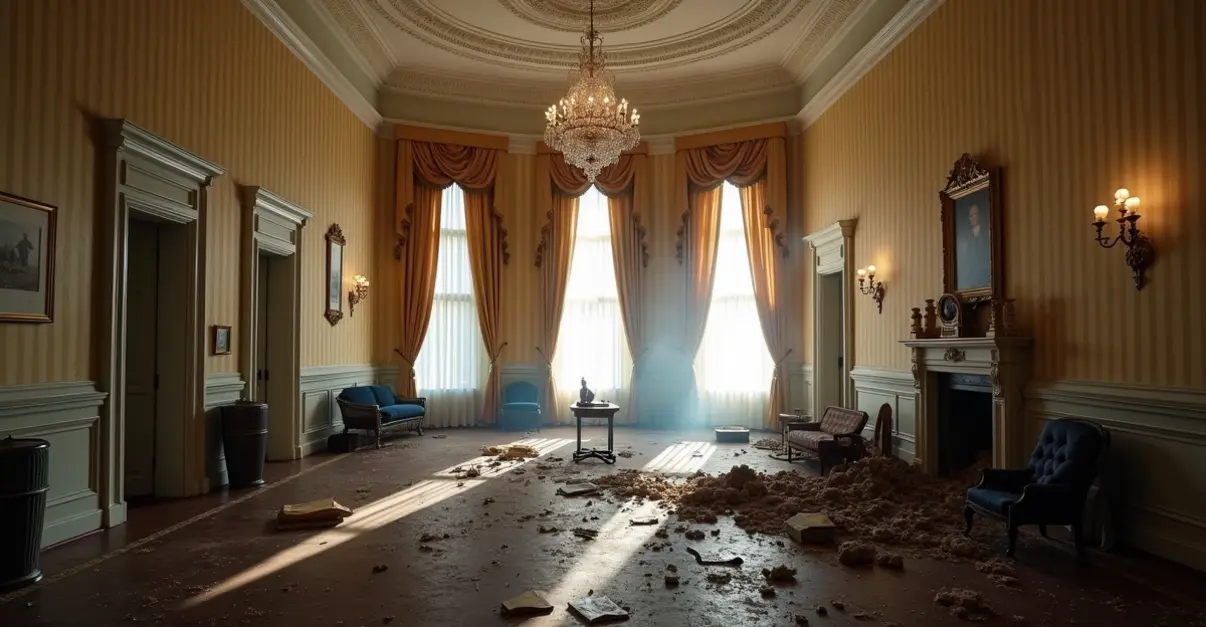
Concurrent with the Kennedy Center controversy, Trump has undertaken extensive renovations at the White House. The East Wing is being demolished to build a $400 million ballroom, double the originally planned cost. The White House interior now features significantly more gold ornamentation, and Trump has installed a 'Presidential Walk of Fame' in the West Colonnade. The display includes portraits of all presidents except Joe Biden, whose spot features a photograph of an autopen—a reference to Trump's claims that Biden used an automatic signing device. The plaques beneath each portrait contain partisan assessments, with Biden described as 'by far the worst president ever' who won through 'the most corrupt elections ever in America.'
Legal and Political Implications
The Kennedy Center name change raises fundamental questions about presidential authority versus congressional power. While the Trump administration operates under a 'unitary executive' theory that grants broad presidential authority, legal scholars maintain that memorial designations require legislative action to alter. The controversy highlights how cultural institutions have become battlegrounds in America's ongoing political conflicts, with historical memorials now subject to contemporary political agendas.
As the legal challenges mount and public debate intensifies, the fate of the Kennedy Center's name remains uncertain. What is clear is that this controversy represents more than just a name change—it reflects deeper tensions about presidential power, historical memory, and the role of cultural institutions in American democracy.