
 Deutsch
 English
 Español
 Français
 Nederlands
 Português






Iran Executions Hit Record High: 1,639 in 2025 Explained
Iran executed at least 1,639 people in 2025, marking the highest number of state-sanctioned killings since 1989 and representing a dramatic 68% increase from the previous year's 975 executions. This shocking statistic, revealed in a joint report by human rights organizations Iran Human Rights and Together Against the Death Penalty, translates to an average of more than four executions per day throughout 2025, signaling a severe escalation in the Islamic Republic's use of capital punishment as a tool of political repression.
What is the 2025 Iran Executions Report?
The 2025 Annual Report on the Death Penalty in Iran represents the 18th comprehensive assessment of capital punishment in the country, compiled through meticulous documentation by two leading human rights organizations. The report documents what experts describe as an unprecedented escalation in state violence, with the 1,639 confirmed executions representing an absolute minimum number - the actual figure could be significantly higher due to the regime's opacity. "This surge represents a continuation of the execution policy that began after the 2022 'Woman, Life, Freedom' protests, with authorities using the death penalty as a tool to instill fear and deter dissent," states the report's summary.
Key Findings from the 2025 Execution Statistics
Record-Breaking Numbers and Trends
The 1,639 executions in 2025 represent the highest annual total since 1989, when Ayatollah Ali Khamenei assumed power. This marks a 68% increase from 2024's 975 executions and continues a disturbing upward trend that began following the 2022 nationwide protests. The report emphasizes that these figures represent confirmed cases only - executions requiring verification from at least two independent sources - meaning the actual number could be substantially higher.
Women and Vulnerable Groups Disproportionately Affected
Among the most alarming findings is the execution of at least 48 women in 2025, the highest number in over two decades and a significant increase from 31 women executed in 2024. Nearly half of these women were executed for allegedly killing abusive partners or spouses, often in cases involving domestic violence where self-defense claims were disregarded. The report also documents 84 Afghan nationals among those executed, highlighting the vulnerability of migrant populations within Iran's justice system.
Execution Methods and Public Spectacles
While most executions occurred within prison walls, the report documents 11 public hangings in 2025 - triple the number from previous years. Disturbingly, these public executions frequently included children among the spectators, raising serious concerns about psychological trauma and the normalization of state violence. The Iranian judicial system has faced international condemnation for these practices, which human rights experts argue violate multiple international conventions.
Political Context and International Response
Death Penalty as Political Tool
Experts analyzing the data note that the dramatic increase in executions coincides with heightened political tensions both domestically and internationally. Following the death of Ayatollah Khamenei in February 2026 and ongoing conflicts with Israel and the United States, the regime appears to be using capital punishment as an instrument of control. "There is an imminent risk that executions will be used more broadly as a tool of repression and punishment if the Islamist regime survives the current crisis," warns the report.
International Condemnation and UN Concerns
The United Nations Human Rights Office has expressed "serious concerns about alarming trends in executions during 2025," with UN experts suggesting that these systematic executions may constitute crimes against humanity. The international community has increasingly focused on Iran's human rights record, particularly following the 2022 Woman Life Freedom protests that saw thousands arrested and hundreds killed.
Regional Comparison: Iran vs. Saudi Arabia
While Iran leads in absolute numbers, neighboring Saudi Arabia also shows concerning trends. In 2025, Saudi Arabia executed 356 people according to human rights organizations, with 243 of these executions related to drug offenses. Saudi Arabia resumed executions for drug crimes in 2022 after a three-year moratorium, though its numbers remain significantly lower than Iran's. Both countries face international criticism for their use of capital punishment, particularly for non-violent offenses and in cases involving due process violations.
| Country | 2025 Executions | % Change from 2024 | Primary Offenses |
|---|---|---|---|
| Iran | 1,639 | +68% | Drug offenses (48.5%), Murder (45.6%) |
| Saudi Arabia | 356 | Data unavailable | Drug offenses (68%), Other crimes |
Growing Resistance: The "No Death Penalty Tuesdays" Movement
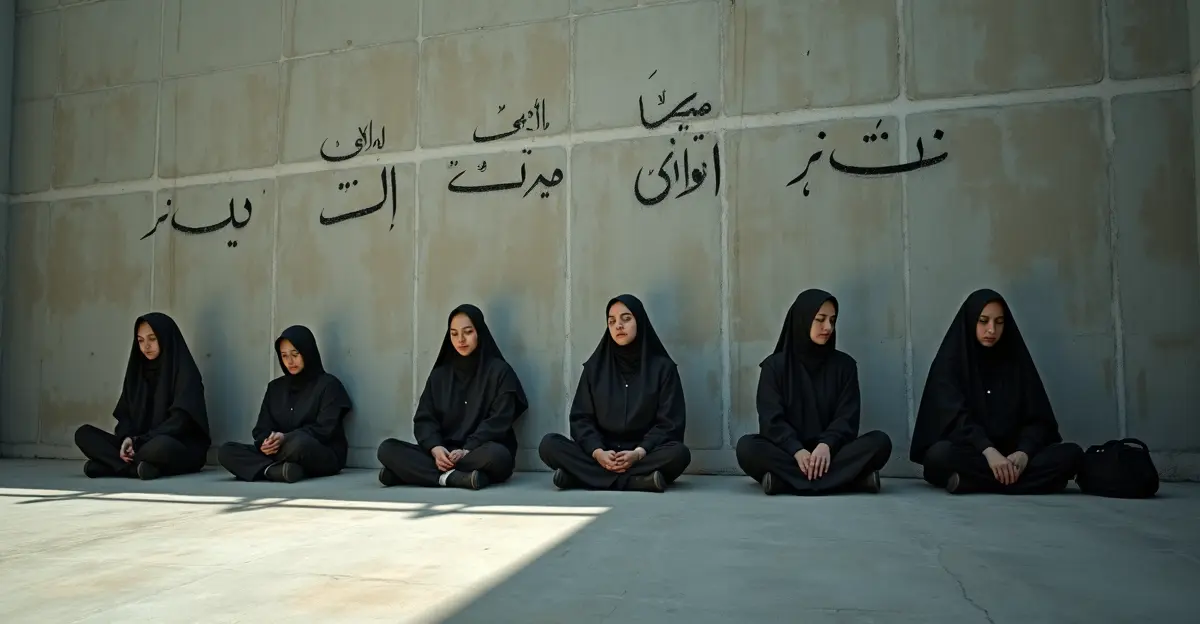
Despite the escalating repression, opposition to capital punishment is growing within Iran through grassroots movements. The "No Death Penalty Tuesdays" initiative, which began as weekly hunger strikes in Ghezelhesar Prison in January 2024, has now spread to 56 prisons nationwide. This movement has gained support from 68 international human rights organizations and represents one of the most significant internal challenges to Iran's execution policies. Nobel Peace Laureate Narges Mohammadi has participated from Evin Prison's female ward, where prisoners have staged sit-ins despite facing violent crackdowns.
FAQ: Iran's 2025 Execution Crisis
How many people did Iran execute in 2025?
Iran executed at least 1,639 people in 2025, according to verified reports from human rights organizations. This represents an average of more than four executions per day.
Why did executions increase so dramatically in 2025?
The 68% increase from 2024 reflects the regime's intensified use of capital punishment as a political tool following domestic unrest and international tensions, particularly after the 2022 protests and during conflicts with Israel and the US.
What crimes lead to execution in Iran?
Nearly half (48.5%) of executions were for drug-related offenses, while 45.6% were for murder under qisas (retribution) laws. Political charges, espionage, and "enmity against God" also carry death sentences.
Are women being executed in Iran?
Yes, at least 48 women were executed in 2025 - the highest number in over 20 years. Many were executed for allegedly killing abusive partners, often without proper consideration of self-defense claims.
What is the international community doing about Iran's executions?
The UN has expressed serious concerns, with experts suggesting these executions may constitute crimes against humanity. However, concrete international action remains limited, though pressure is increasing through diplomatic channels and human rights advocacy.
Sources
Primary data from: Iran Human Rights 2025 Annual Report, Together Against the Death Penalty Report, France 24 Analysis, and Death Penalty Information Center. Additional context from UN Human Rights Office statements and regional human rights monitoring organizations.


Follow Discussion