Nederlands
 English
 Deutsch
 Français
 Español
 Português





What Happened in the Niederkassel Carnival Accident?
Three people were injured in a serious carnival float accident in Niederkassel, Germany, on February 15, 2026, when part of a railing broke on a 3-meter-high parade float. The incident occurred during a carnival procession in this North Rhine-Westphalia city located between Cologne and Bonn, marking another safety concern in European carnival celebrations following a similar Swiss carnival explosion just days earlier.
Details of the Carnival Float Incident
According to police reports and German media, the accident happened around late afternoon when the carnival parade had concluded. The tractor pulling the float stopped to allow carnival participants to disembark, but suddenly moved forward again, causing three men aged 20, 46, and 51 to lose their balance and fall from the approximately 3-meter-high (10-foot) float. The 51-year-old man suffered serious head injuries and required emergency helicopter transport to a hospital for treatment.
German authorities confirmed that a section of the float's railing had broken off, contributing to the fall. Police have seized the carnival float for investigation, and initial reports indicate the tractor driver was not under the influence of alcohol at the time of the incident. The Kölner Stadt-Anzeiger newspaper provided detailed coverage of the accident, noting the sudden movement of the tractor as the triggering factor.
Emergency Response and Medical Treatment
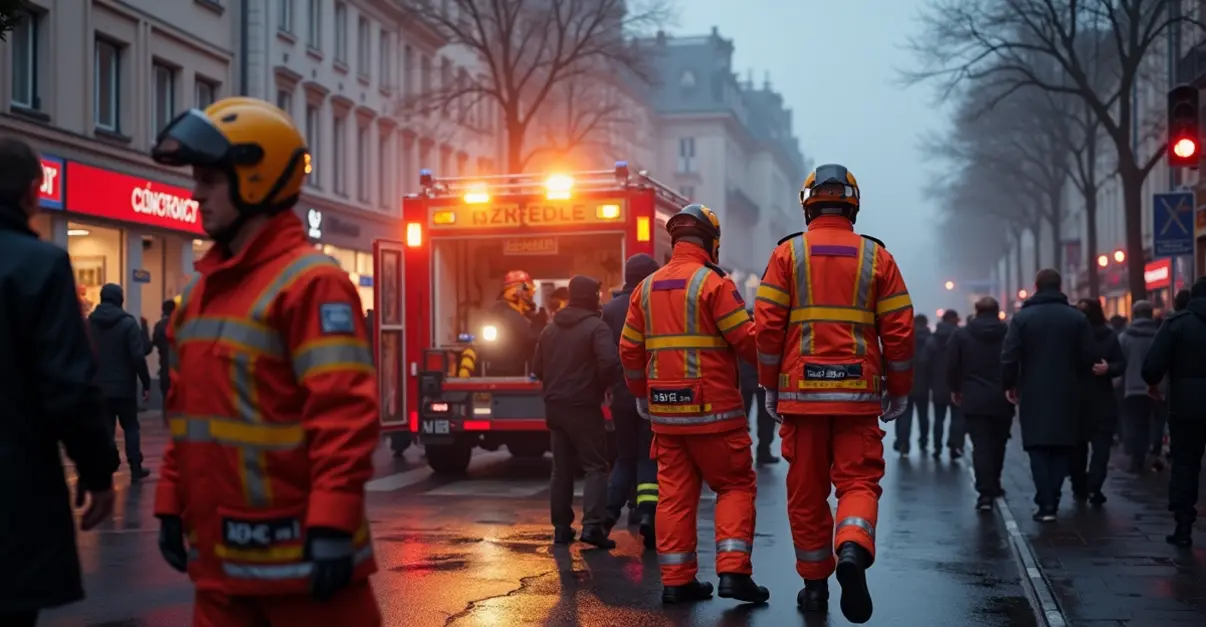
Emergency services responded immediately to the scene in Niederkassel's Rheidt district. The most seriously injured victim, the 51-year-old man with head trauma, was airlifted by rescue helicopter (RTH) to a specialized trauma center. The other two injured men received on-site medical attention before being transported to local hospitals for further evaluation and treatment. German carnival safety protocols were activated, though the parade had already concluded when the accident occurred.
Carnival Safety Regulations in Germany
Germany has specific safety regulations for carnival floats and public events, though enforcement varies by municipality. According to German fall protection standards (DGUV Regulation 38 §12), structures with potential fall heights of 2 meters or more require proper safety railings. The 3-meter height of the Niederkassel float would typically require railings of at least 90-110 cm height depending on specific circumstances.
"Carnival floats must meet both structural safety requirements and operational safety protocols," explains safety expert Markus Weber. "The combination of height, moving vehicles, and passenger movement creates multiple risk factors that need to be addressed through proper design and operational procedures."
Similar to the German occupational safety regulations for workplace environments, carnival float safety involves regular inspections, proper maintenance, and trained operators. The investigation will likely examine whether the float met current safety standards and if proper maintenance procedures were followed.
Broader Context: Carnival Safety Incidents in Europe
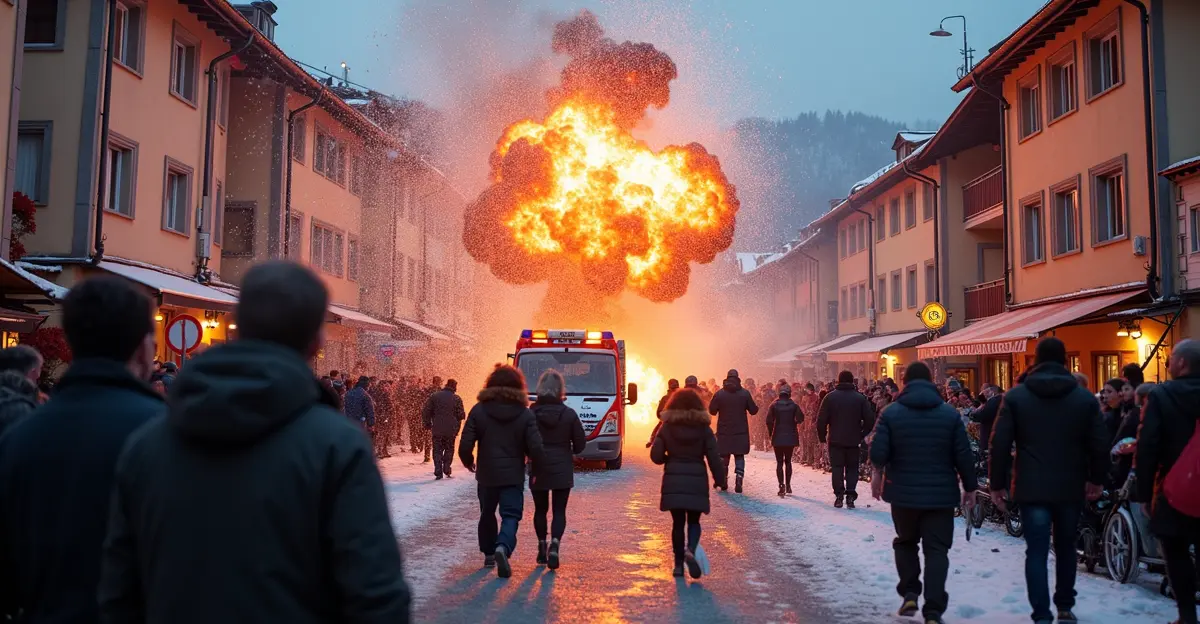
The Niederkassel accident occurred just one day after a separate carnival incident in Switzerland where eleven people were injured in an explosion on a float in Le Châble. The Swiss explosion, reportedly caused by an air compressor powering a confetti cannon, resulted in one seriously injured person also requiring helicopter transport.
These back-to-back incidents highlight ongoing safety concerns in European carnival celebrations. In February 2024, a carnival float in Kehl, Germany caught fire during a parade, injuring five people. Another incident in Sarno, Italy recently saw three people injured when a carnival figure collapsed from a float.
"These incidents remind us that carnival safety requires constant vigilance," says event safety consultant Anna Schmidt. "From float construction to parade operations, every element needs proper safety planning and execution."
Impact on Carnival Celebrations and Safety Reviews
The Niederkassel accident has prompted immediate safety reviews in the region's carnival organizations. Local authorities in North Rhine-Westphalia are likely to implement stricter float inspection protocols before future events. The incident may also influence broader discussions about European event safety standards for large public celebrations.
Carnival in Germany's Rhine region represents a major cultural tradition, with cities like Cologne, Bonn, and Düsseldorf hosting some of Europe's largest carnival celebrations. The 2026 season marks 200 years of organized carnival in Bonn, making safety particularly important during this milestone year.
Municipal authorities typically require event organizers to submit safety plans, but implementation and enforcement can vary. The Niederkassel investigation will examine whether existing regulations were properly followed and if additional measures are needed for future events.
Frequently Asked Questions (FAQ)
What caused the Niederkassel carnival float accident?
The accident occurred when a tractor suddenly moved forward while passengers were disembarking from a 3-meter-high float, causing three men to lose balance and fall. A broken railing section contributed to the severity of the falls.
How serious were the injuries?
One 51-year-old man suffered serious head injuries requiring helicopter transport to a hospital. Two other men (ages 20 and 46) were also injured but their conditions were less severe.
What safety regulations apply to carnival floats in Germany?
German regulations require proper railings for heights over 2 meters, regular safety inspections, and trained operators. Specific requirements vary by municipality and event size.
Has this affected other carnival celebrations?
While the Niederkassel parade had concluded, the incident has prompted safety reviews in the region. It follows similar incidents in Switzerland and Italy, highlighting broader carnival safety concerns.
What happens next in the investigation?
Police have seized the float for examination and will determine if safety regulations were violated. Findings may lead to updated safety protocols for future carnival events.
Sources
Police Niederkassel Official Reports
Kölner Stadt-Anzeiger Coverage
German Safety Regulations (DGUV)
Bonn Carnival Traditions