


 Deutsch
 English
 Español
 Français
 Nederlands
 Português


 Share
Share




Mass Wolf Deaths Shake Conservation Efforts in Central Italy
At least 18 wolves have been found dead in Italy's Abruzzo, Lazio and Molise National Park over the past week in what authorities and conservationists suspect is a deliberate mass poisoning. The incident, which also killed three foxes and a buzzard, has sparked a criminal investigation and renewed debate over the EU wolf protection status change that took effect in 2025. The park, one of Italy's oldest and most biodiverse, is home to the Italian wolf subspecies (Canis lupus italicus), a protected species that had rebounded to an estimated 3,300 individuals nationwide after nearly being driven to extinction in the 1970s.
What Happened in the National Park?
Park rangers first discovered ten wolf carcasses and suspected poisoned bait last week in the Alfedena area. By Wednesday, seven more wolf bodies were found scattered across different sectors of the 500-square-kilometer protected area. All carcasses showed similar signs pointing to poisoning, park officials said. Three red foxes and a common buzzard were also found dead in the same zones.
"We are disappointed and desperate, and our feelings oscillate between deep suffering and disbelief," the park wrote in an emotional statement. "We hope we do not receive more bad news and that this dramatic story has no sequel."
Prosecutor Luciano D'Angelo of Sulmona has opened a criminal investigation. "Bears and wolves are symbols of this territory. We do not take their deaths lightly," he said. Preliminary tests suggest deliberate poisoning, though full toxicology reports are pending.
Why Are Wolves Being Poisoned?
Park authorities suspect local farmers are behind the killings, driven by frustration over livestock attacks. Wolves, which were strictly protected in Italy for decades, have seen their numbers grow significantly — from fewer than 100 individuals in the 1970s to over 3,300 today. As wolf packs expand into agricultural areas, conflicts with shepherds and cattle breeders have intensified.
In December 2024, the Bern Convention — at the urging of the European Commission — downgraded the wolf's status from "strictly protected" to "protected," a change that took effect in 2025. The decision was framed as a response to the species' successful recovery, giving EU member states more flexibility in managing local wolf populations. However, conservation groups argue the move has emboldened those hostile to wolves.
"It is a return to times when wild animals were seen merely as a threat to be eradicated," said WWF Italy in a statement, calling the deaths "a wolf bloodbath." The organization partially blames the EU's status change for creating a permissive environment.
This is not the first mass poisoning in the park. In 2023, nine wolves were found dead under similar circumstances, which park officials at the time described as "medieval poisoning." The recurrence suggests that despite legal protections, illegal killing remains a persistent problem.
Threat to the Critically Endangered Marsican Bear
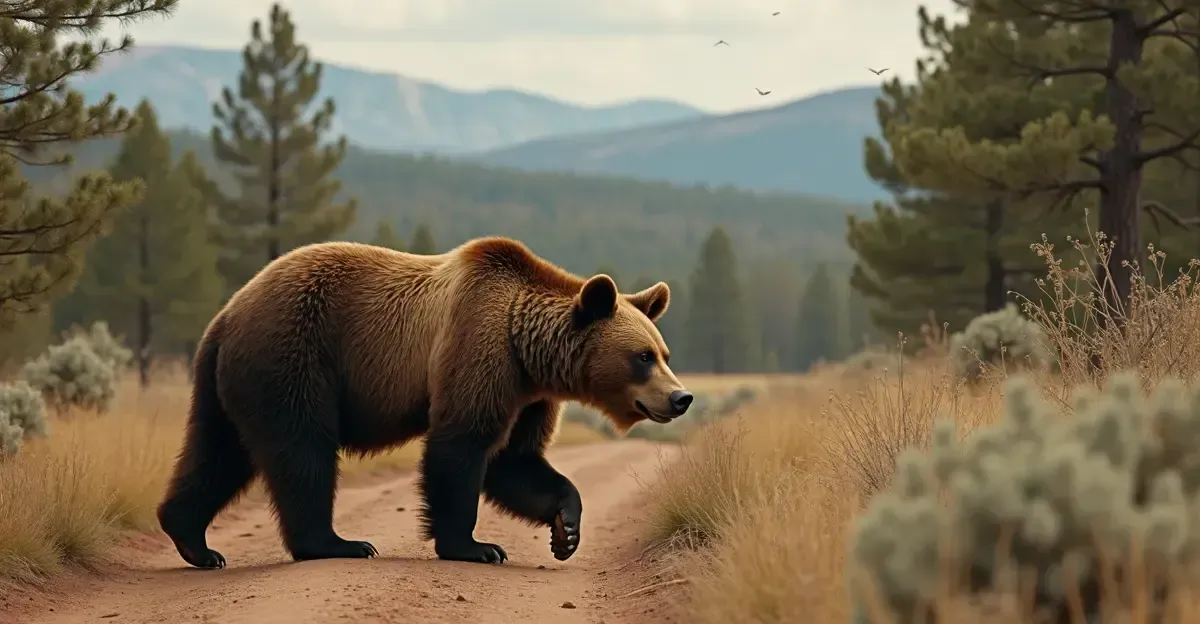
Beyond the wolf deaths, conservationists fear for the critically endangered Marsican brown bear (Ursus arctos marsicanus), a symbol of the park. Only about 50–70 individuals remain in this genetically isolated population, concentrated in the Abruzzo region. The same poison bait used to kill wolves could easily kill bears, which share the same habitat and foraging patterns.
The Marsican brown bear conservation crisis has been a longstanding concern. The park's role in bear protection has been debated, with controversies over development projects and ski resort expansions that fragment bear habitat. WWF Italy has warned that the latest poisoning could push the bear closer to extinction.
Government Response and Investigation
Italy's Environment Minister Gilberto Pichetto Fratin condemned the poisonings as "horrendous" and announced that forestry police have intensified inspections across the park. "What the motivation may be, illegality and criminality are in no way justifiable," the park administration emphasized.
Authorities have urged local communities to report any suspicious activity. The investigation is being coordinated with the Forestry Carabinieri and the National Institute for Environmental Protection and Research (ISPRA), which will conduct necropsies on the carcasses to confirm the poison used.
The European Commission estimates there are now some 20,000 wild wolves across EU member states, with Italy hosting the largest population. The wolf-livestock conflict in Europe has become a politically charged issue, pitting conservation goals against the economic concerns of rural communities.
FAQ: Wolf Poisoning in Italy's National Park
How many wolves were killed?
At least 18 wolves were found dead in the Abruzzo, Lazio and Molise National Park over one week in April 2026. Three foxes and a buzzard were also killed.
What caused the deaths?
Authorities strongly suspect deliberate poisoning using poisoned bait, though final toxicology results are pending. A criminal investigation is underway.
Why would someone poison wolves?
The motive is believed to be conflict with livestock farmers. Wolves sometimes attack sheep and cattle, leading to economic losses. Despite compensation schemes, some farmers resort to illegal killing.
Did the EU's wolf status change affect this?
Conservation groups like WWF Italy argue that the 2025 downgrade of wolves from "strictly protected" to "protected" under the Bern Convention may have encouraged anti-wolf sentiment. The change gave member states more flexibility in wolf management.
What is being done to stop this?
Italy's environment minister has ordered increased patrols by forestry police. Prosecutors have opened a criminal investigation. Park authorities are calling for community vigilance and stronger enforcement of anti-poisoning laws.
Sources
Information for this article was sourced from NOS, Reuters, The Guardian, The Independent, RTE, WWF Italy, the European Commission, and the official website of the Parco Nazionale d'Abruzzo, Lazio e Molise.




Follow Discussion