
 Deutsch
 English
 Español
 Français
 Nederlands
 Português

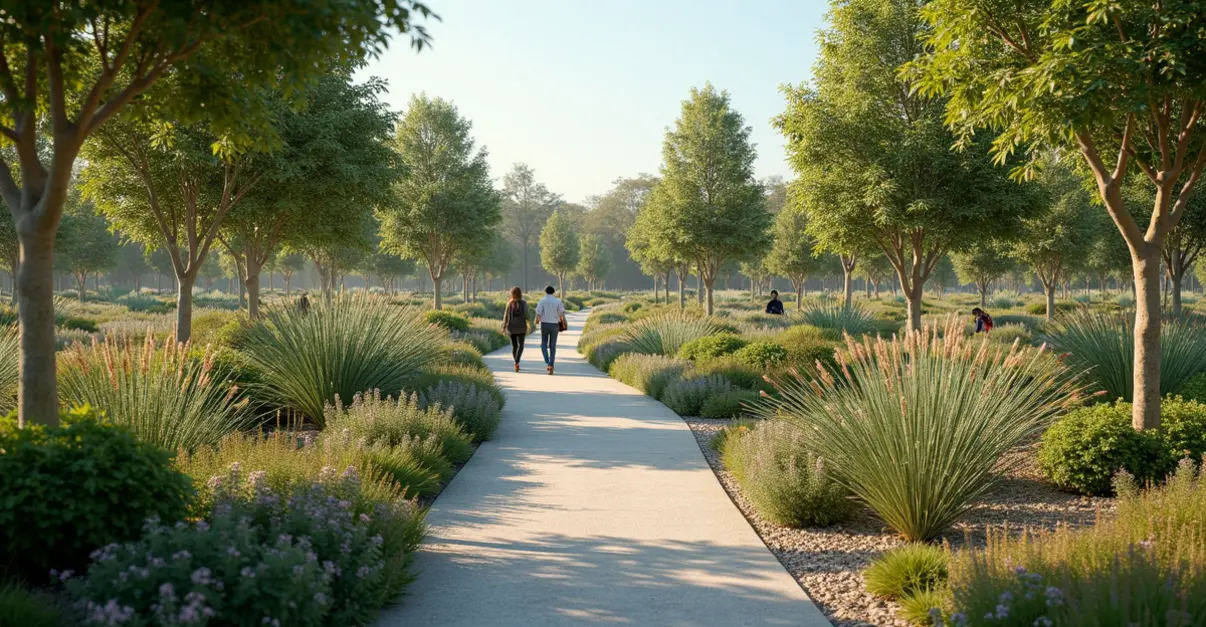





New Urban Park Inauguration Marks a Milestone in Sustainable City Planning
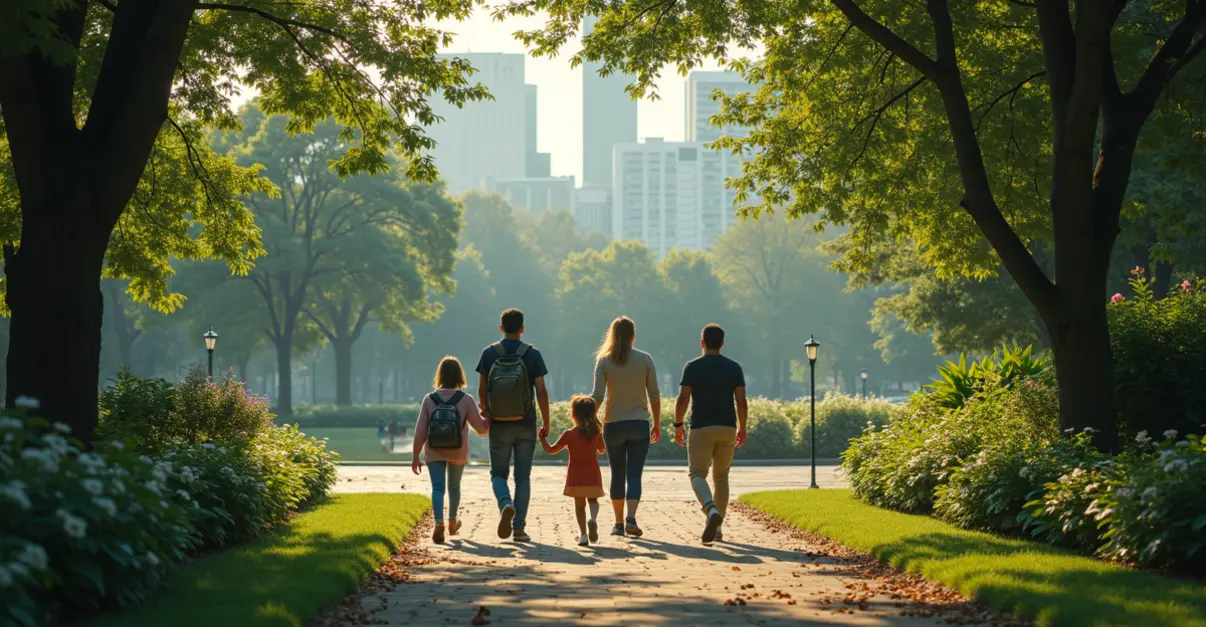
A major new urban park has officially opened its gates, representing a significant investment in green infrastructure and community wellbeing. The park's inauguration ceremony drew hundreds of residents, city officials, and environmental advocates who celebrated what many are calling a model for 21st-century urban green space design.
'This isn't just another park - it's a living laboratory for how cities can balance human needs with ecological responsibility,' said Chloe Nowak, the park's lead designer and author of the project's vision statement. 'We've created a space that serves both people and wildlife, demonstrating that urban development and biodiversity conservation aren't mutually exclusive.'
Design Goals: A Holistic Approach to Urban Green Space
The park's design incorporates several innovative features aimed at maximizing both human enjoyment and environmental benefits. According to a groundbreaking University of Florida study, thoughtful urban park design can successfully support both human recreation and wildlife biodiversity. The research analyzed over 600 urban green spaces, finding that park size strongly predicts both human utility and biodiversity.
The new park implements these findings through strategic zoning that separates high-activity areas from sensitive habitats. Sports fields and playgrounds are concentrated in specific zones, while other areas feature dense native vegetation that provides crucial habitat for local wildlife. This approach addresses the key trade-offs identified in the research: features like sports fields benefit people but reduce habitat quality for sensitive species, while dense vegetation supports wildlife but may be underused by humans.
Biodiversity as a Core Principle
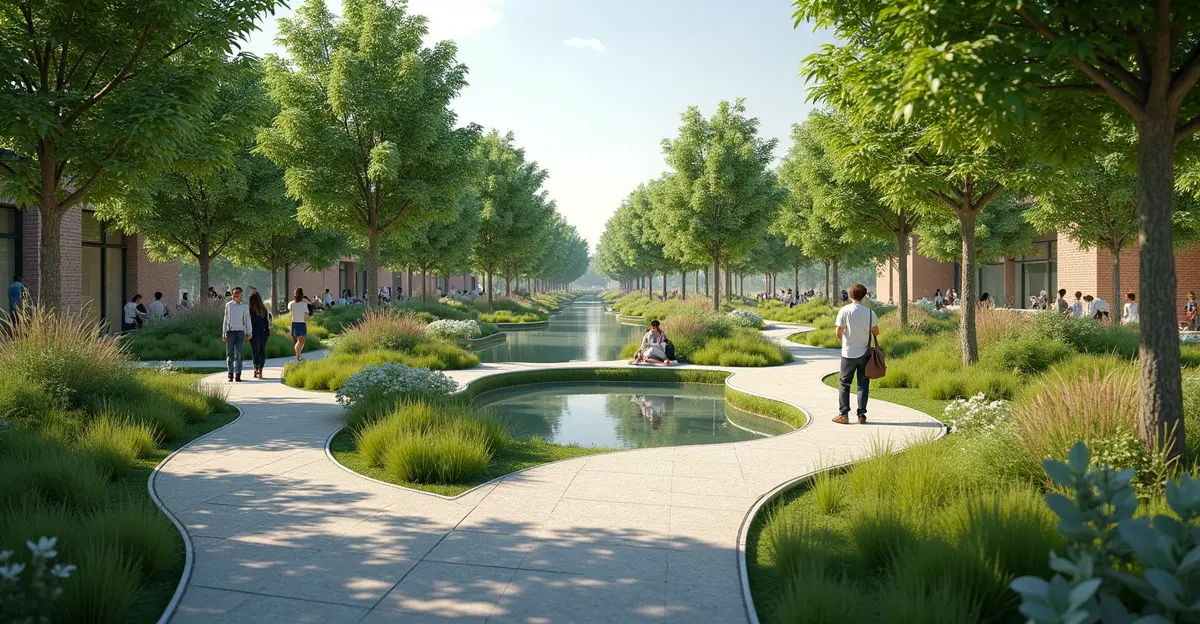
Biodiversity conservation was a central consideration throughout the park's development. The design incorporates native plant species, creates tree canopies, and establishes wildlife corridors that connect to surrounding green spaces. These elements align with recommendations from the University of Florida study, which suggests incorporating native plants and creating connected green spaces to benefit both human and wildlife populations.
A recent research article on public perceptions of biodiversity conservation in urban parks found that plant density and functional diversity are crucial landscape attributes. The study, which used mixed methods including focus groups and interviews, showed that most conservation interventions had high acceptance levels, though reduced grass areas proved somewhat controversial.
'We've learned that climate change concern is a major driver for accepting conservation measures,' Nowak explained. 'By framing our biodiversity efforts as climate resilience strategies, we've gained broader community support.'
Community Programming and Access
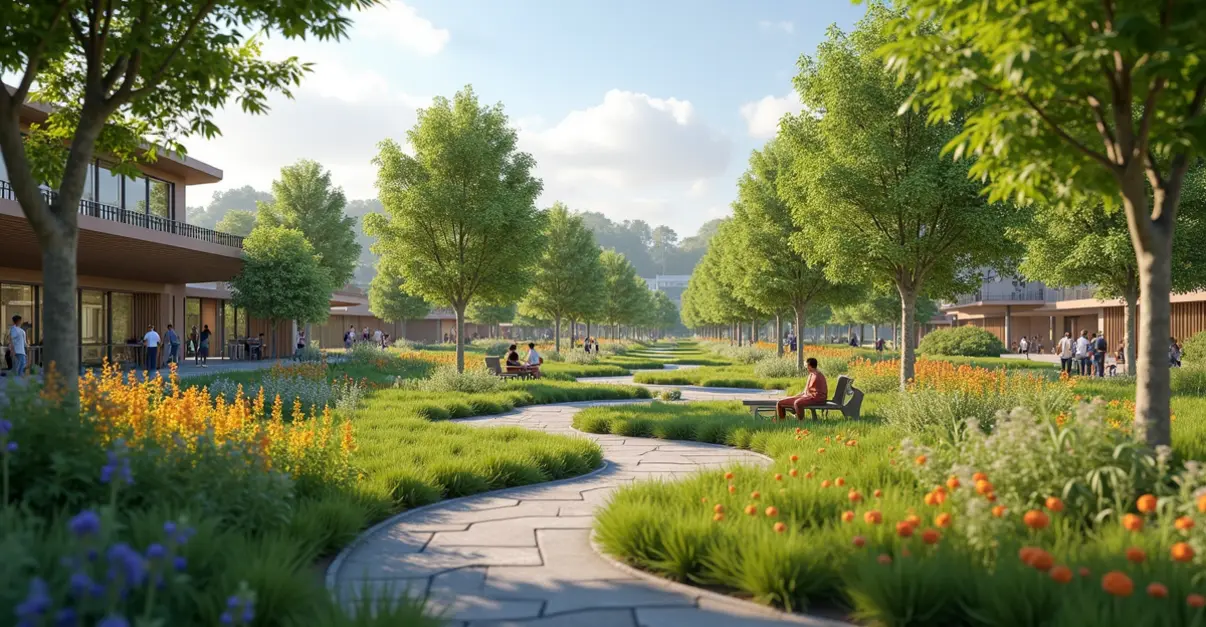
The park features extensive community programming designed to engage diverse populations. Regular events include nature walks, environmental education workshops, community gardening programs, and cultural festivals. These initiatives transform the park from a passive green space into an active community hub.
According to resources from the Baton Rouge Recreation and Park Commission, parks serve as vital spaces for community engagement, fostering social connections and civic participation. The new park's programming follows this model, with scheduled activities that encourage diverse community participation and address local needs.
Accessibility was another key consideration. The park features multiple entry points, wheelchair-accessible paths, sensory gardens for visitors with disabilities, and programming specifically designed for underserved communities. 'True access means more than just physical entry - it means creating programming that resonates with different cultural backgrounds and abilities,' Nowak emphasized.
Innovative Funding Models
The park's development utilized a creative funding approach combining public investment with private partnerships and community contributions. This model aligns with research from the Urban Institute's 'Partnerships for Parks' publication, which examines collaborative approaches to urban park development and management.
The funding strategy included federal grants, corporate sponsorships, and a community crowdfunding campaign that raised significant contributions from local residents. This diversified approach ensures long-term sustainability while fostering community ownership of the space.
'Traditional park funding often leaves maintenance under-resourced,' Nowak noted. 'Our partnership model creates ongoing revenue streams and community investment that will keep this park thriving for generations.'
Looking Forward: A Model for Urban Development
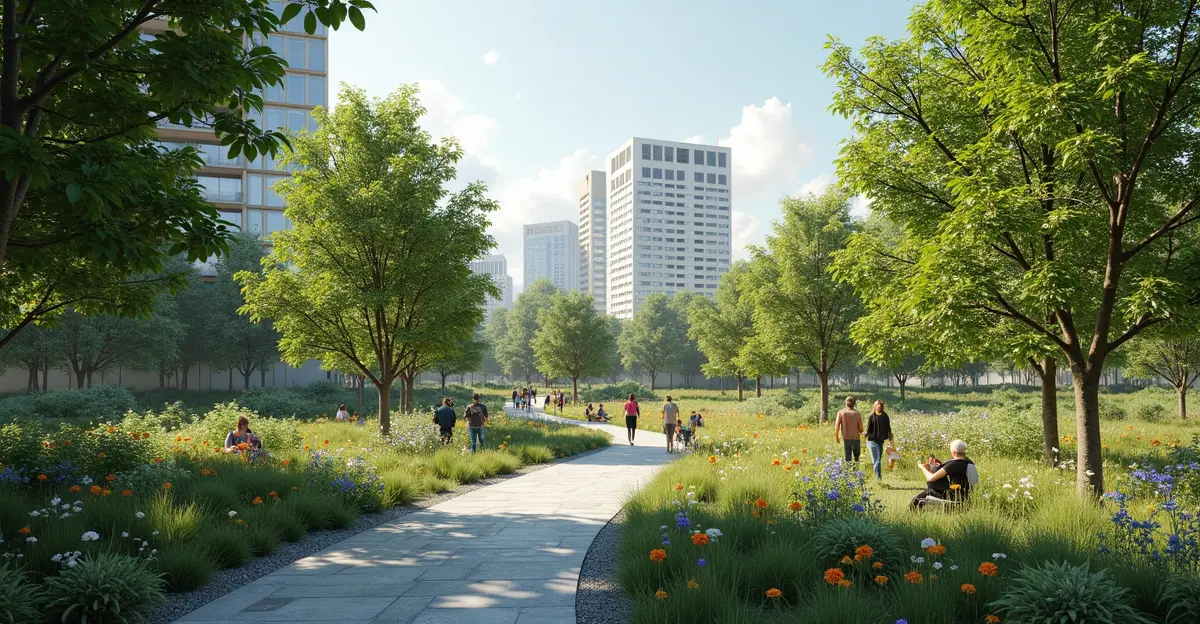
The park's inauguration represents more than just the opening of another green space - it offers a replicable model for cities worldwide facing similar challenges of urbanization, climate change, and social equity. The integration of biodiversity conservation with community programming demonstrates how urban parks can serve multiple functions simultaneously.
As cities continue to grow and climate impacts intensify, such multifunctional green spaces will become increasingly important. The park's success will be monitored through citizen science initiatives, with local residents contributing biodiversity data through platforms like iNaturalist - an approach validated by the University of Florida study.
'This park proves that with thoughtful design and community collaboration, we can create urban spaces that heal both people and the planet,' Nowak concluded as the inaugural ribbon was cut, marking the beginning of what promises to be a transformative addition to the urban landscape.

Follow Discussion