
 Deutsch
 English
 Español
 Français
 Nederlands
 Português






Groundbreaking Urban Park Blends Recreation with Ecological Restoration
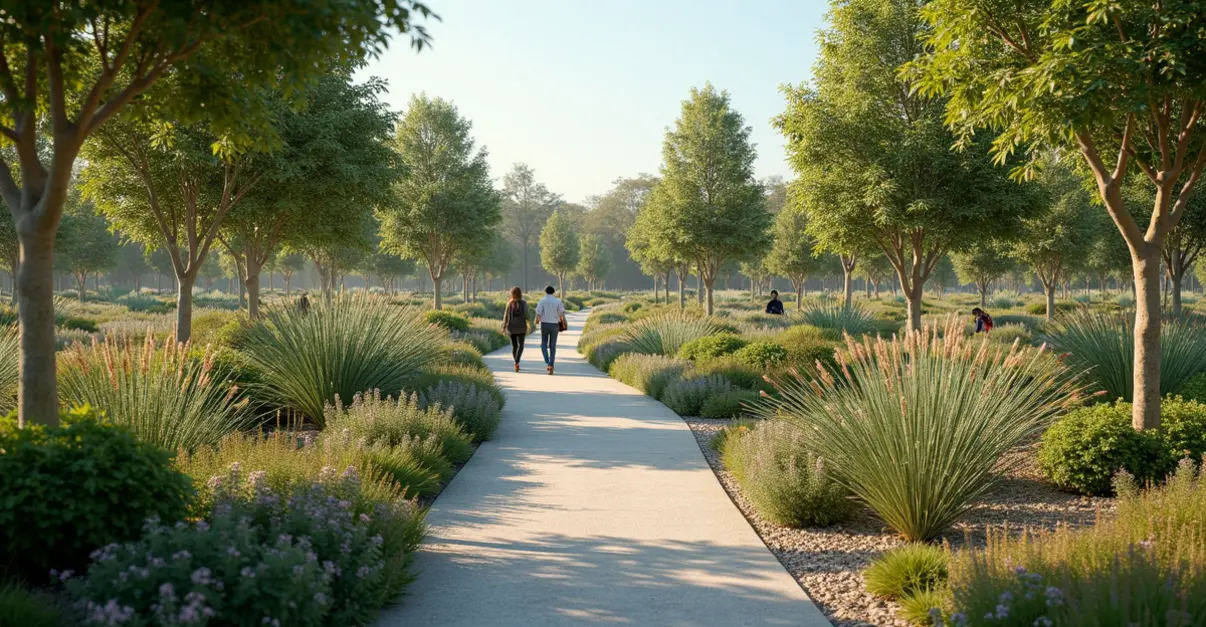
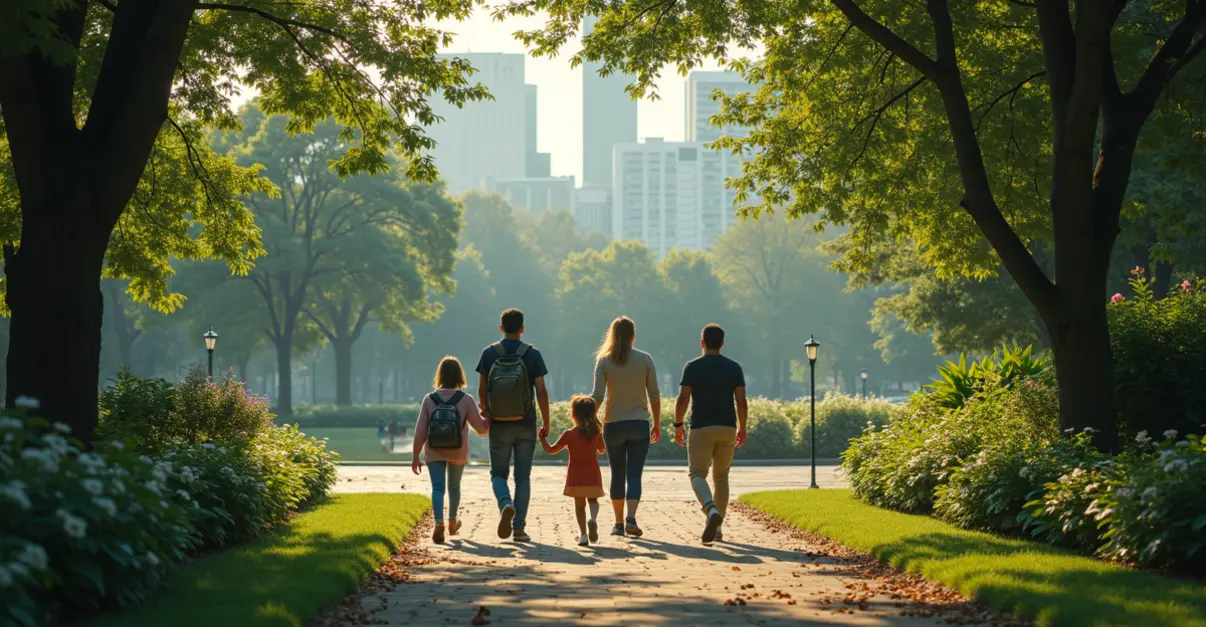
A new urban park has opened its gates this week, showcasing an innovative approach to green space design that prioritizes both community needs and biodiversity conservation. The park represents a significant shift in urban planning philosophy, moving beyond traditional manicured landscapes to create a living ecosystem that serves both people and wildlife.
Design Features That Support Both People and Nature
The park's design incorporates several key features aimed at balancing human recreation with ecological health. 'We wanted to create a space where children can play while butterflies and birds thrive,' says lead designer Sophie Turner. 'This isn't about choosing between people and nature—it's about designing for both.'
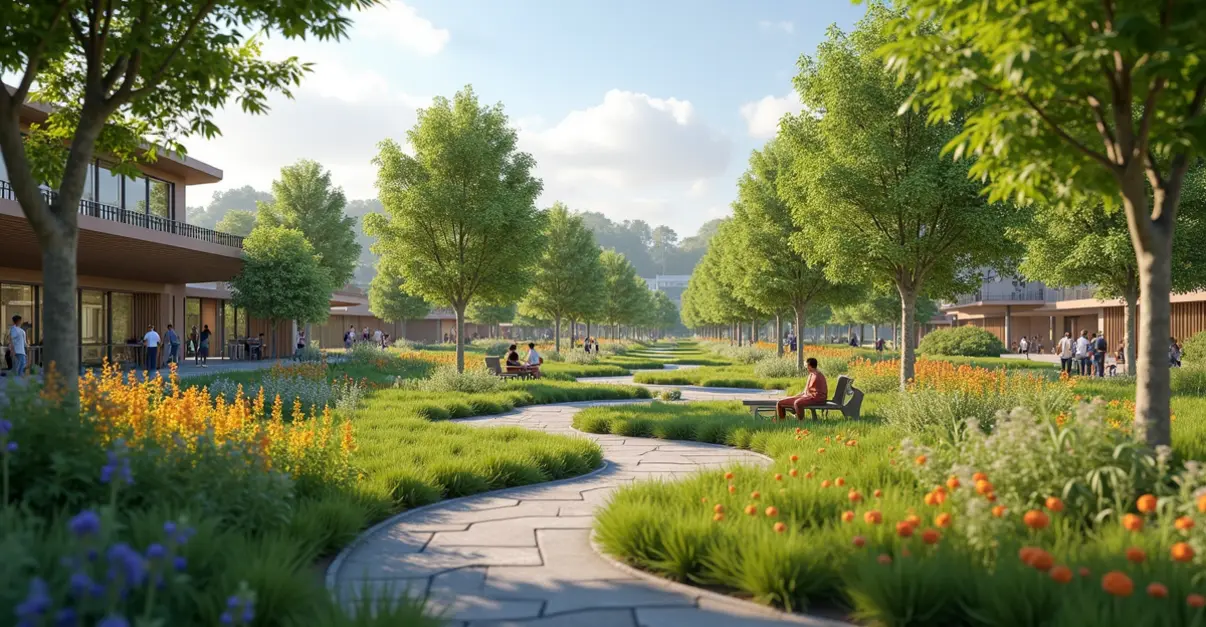
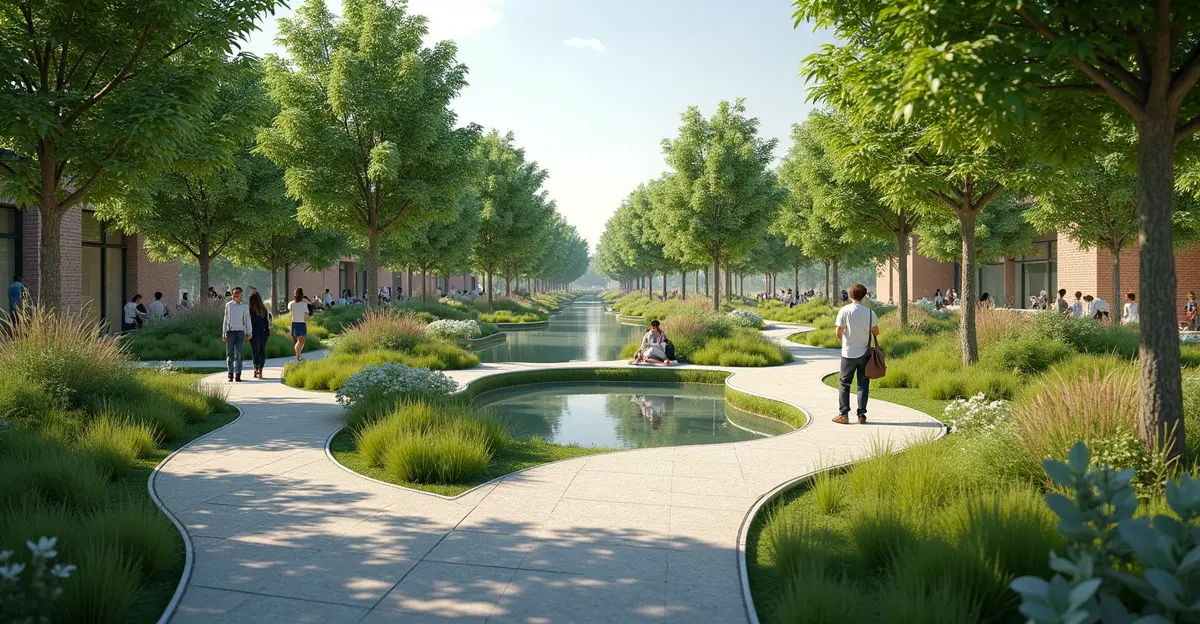
Key elements include native plant gardens that support local pollinators, strategically placed water features that serve as wildlife habitats, and interconnected green corridors that allow species to move safely through the urban landscape. The park also features educational signage explaining the ecological importance of each design element, turning the space into an outdoor classroom.
Community-Led Biodiversity Programming
What sets this park apart is its comprehensive biodiversity programming, which actively involves community members in monitoring and conservation efforts. 'We're training residents to become citizen scientists,' explains Turner. 'Through mobile apps and guided workshops, community members will help track species diversity and population changes over time.'
The programming includes regular bioblitz events where volunteers document local species, educational programs about native ecosystems, and hands-on habitat restoration projects. This approach aligns with recent research from the University of Florida showing that community-led monitoring can provide valuable ecological data while fostering environmental stewardship.
Innovative Maintenance Plan for Long-Term Sustainability
The park's maintenance plan represents a departure from traditional approaches, focusing on ecological resilience rather than constant intervention. 'We're moving away from weekly mowing and chemical treatments,' says Turner. 'Instead, we're implementing adaptive management strategies that allow the ecosystem to develop naturally while ensuring public safety and accessibility.'
The plan includes seasonal monitoring protocols, integrated pest management using natural predators, and selective pruning that maintains sightlines for safety while preserving habitat complexity. This approach reflects best practices outlined in recent Urban Forestry & Urban Greening research that emphasizes maintaining rich communities dominated by native species as the primary metric for urban restoration success.
Addressing Urban Forest Inequity
The park's location in a previously underserved neighborhood represents a deliberate effort to address urban forest inequity. Research has consistently shown that lower-income communities often have less access to quality green spaces, contributing to environmental injustice. 'Every community deserves access to nature,' emphasizes Turner. 'This park is about more than recreation—it's about health equity, climate resilience, and community empowerment.'
The project incorporates lessons from global research on urban forest inequity, ensuring that design decisions consider both ecological and social justice dimensions. Community input shaped everything from playground placement to trail design, creating a space that truly serves local needs.
Future Implications for Urban Planning
This park opening comes at a critical time as cities worldwide grapple with balancing development pressures against environmental conservation needs. Recent studies, including one analyzing over 600 urban green spaces in Florida's Broward County, demonstrate that thoughtful design can successfully support both human utility and biodiversity.
'The most important finding from our research is that park size strongly predicts both human use and biodiversity,' notes a researcher from the University of Florida study. 'But even within smaller parks, design choices like incorporating native plants and creating habitat connectivity can make a significant difference.'
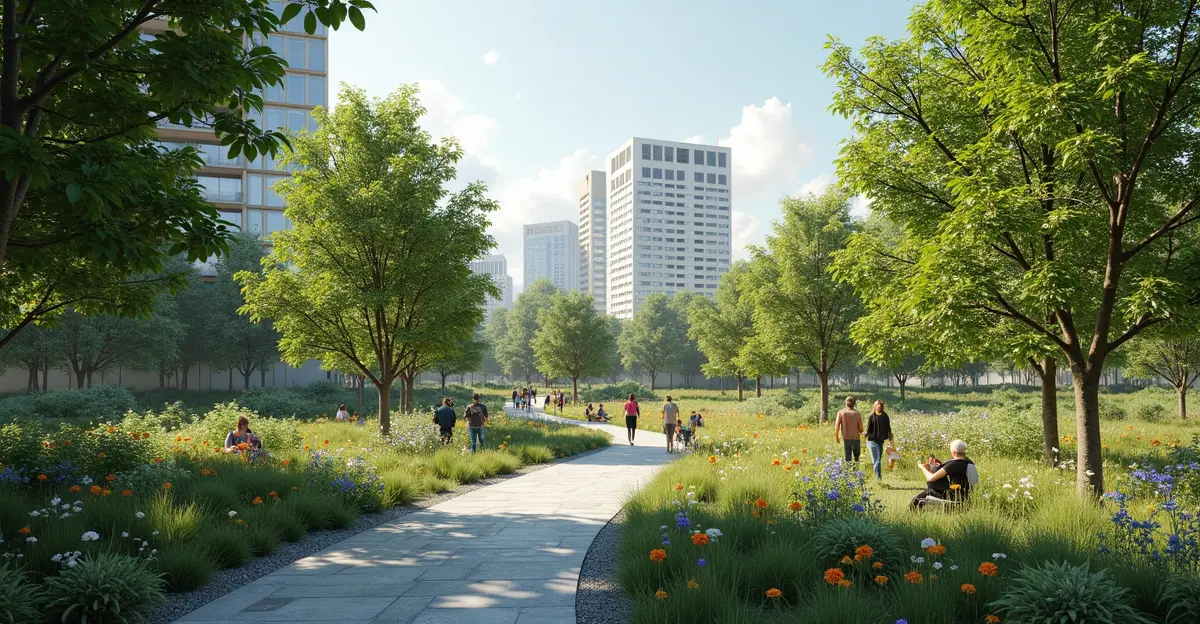
As urban populations continue to grow, parks like this one offer a model for creating multifunctional green spaces that address climate change, support mental and physical health, and preserve local ecosystems. The success of this approach will be closely monitored, with data collected through community science initiatives informing future urban park designs across the region and potentially nationwide.

Follow Discussion