Nederlands
 English
 Deutsch
 Français
 Español
 Português





City Announces Major Traffic Transformation for Historic District
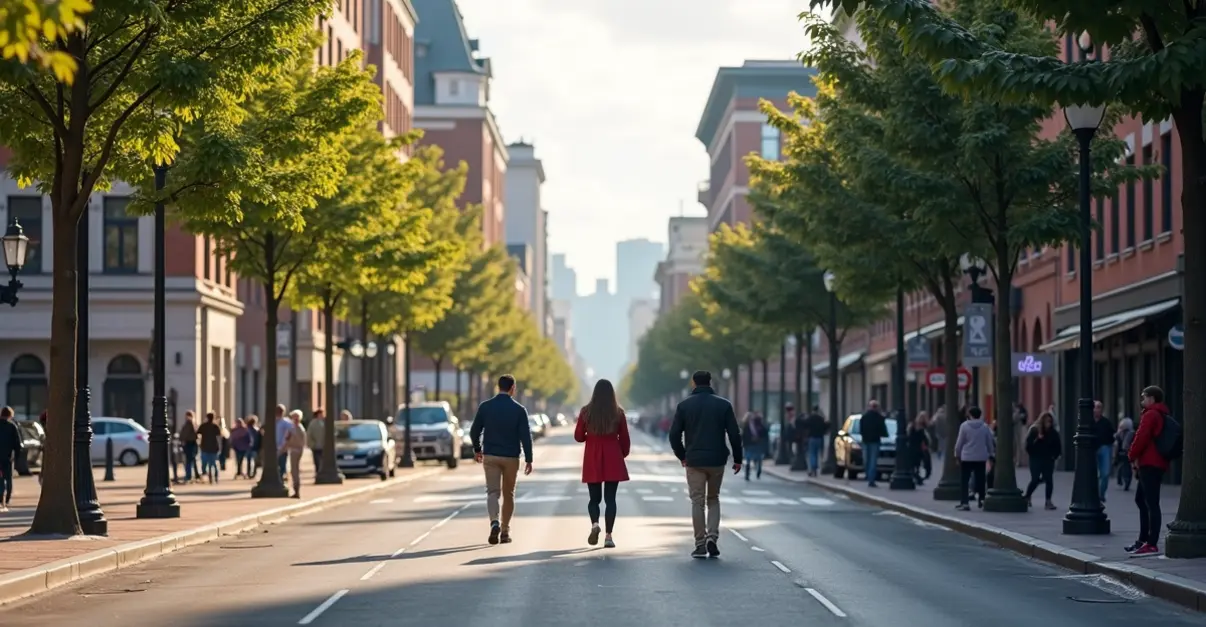
In a bold move to improve urban livability, city officials have announced the creation of a pedestrian priority zone in the historic district, marking a significant shift in traffic management and urban planning. The initiative, spearheaded by transportation planners and urban designers, aims to transform the area into a safer, cleaner, and more vibrant space for residents and visitors alike.
Traffic Changes and Air Quality Improvements
The pedestrian priority zone will implement comprehensive traffic calming measures, including narrowed roads, curb extensions, and reduced vehicle speeds to 20 km/h. According to transportation experts, these changes are expected to significantly improve air quality by reducing vehicle emissions. 'We've seen in other cities that pedestrianization can reduce nitrogen dioxide levels by up to 40% in the immediate area,' says Dr. Maria Chen, an urban environmental researcher at the University of Urban Studies. 'This isn't just about traffic—it's about public health.'
Research from studies in Seoul shows that pedestrianization projects can dramatically improve air quality perceptions and environmental satisfaction. The city's plan includes planting additional trees and creating green spaces that will further enhance air purification and create more pleasant walking environments.
Business Impacts and Economic Considerations
Local business owners have expressed mixed reactions to the announcement. While some welcome the potential for increased foot traffic, others worry about delivery access and customer parking. 'We're cautiously optimistic,' says Sarah Johnson, owner of a boutique in the historic district. 'More pedestrians could mean more customers, but we need to see how the city handles logistics like deliveries and accessibility.'
Similar projects in other cities have shown promising results. The Little Havana Pedestrian Priority Zone in Miami, a $5.5 million project beginning in 2025, demonstrates how such initiatives can be successfully implemented with proper planning and community engagement.
Resident Feedback and Community Response
Community meetings have revealed diverse opinions among residents. Long-time resident Michael Rodriguez shares: 'I've lived here for 25 years, and the traffic noise has been constant. The idea of a quieter, safer neighborhood where my grandchildren can play outside is wonderful.' However, some residents have expressed concerns about potential traffic displacement to surrounding streets.
Urban planning experts emphasize the importance of comprehensive approaches. According to traffic calming principles, successful pedestrian zones require engineering measures combined with community education and enforcement. The city plans to implement a phased approach, beginning with pilot sections before expanding the zone throughout 2026.
Design Features and Implementation Timeline
The pedestrian priority zone will feature widened sidewalks, improved lighting, accessible ramps, and designated bicycle lanes. Traffic engineers are incorporating horizontal deflection measures like chicanes and curb extensions to naturally slow vehicle speeds. The project also includes the installation of pedestrian refuges and improved crosswalks at key intersections.
'This isn't about banning cars entirely,' explains Transportation Commissioner Victoria Gonzalez. 'It's about rebalancing our streets to prioritize people over vehicles. We'll maintain access for residents, emergency vehicles, and deliveries, but we're creating an environment where walking becomes the preferred mode of transportation within the historic district.'
Long-term Vision and Sustainability Goals
The initiative aligns with broader city sustainability goals, including reducing carbon emissions and improving public health outcomes. Research from urban studies shows that improved street space quality in historic districts significantly enhances visitor experiences and local economic vitality. The city plans to monitor air quality, traffic patterns, and business impacts throughout the implementation process, with adjustments made based on real-time data and community feedback.
As cities worldwide grapple with urban congestion and environmental challenges, this pedestrian priority zone represents a forward-thinking approach to creating more livable, sustainable urban spaces. The success of similar projects in European cities and growing North American initiatives suggests that prioritizing pedestrians in historic districts could become a model for urban revitalization across the continent.