


 Deutsch
 English
 Español
 Français
 Nederlands
 Português


 Share
Share




The United Nations Ocean Treaty, aimed at protecting 30% of the world's oceans by 2030, is still awaiting ratification from ten more countries, including the Netherlands. The treaty, considered historic, requires 60 ratifications to come into effect. Currently, 50 nations have signed, with 20 joining during the recent UN Ocean Summit in Nice.
The Netherlands, despite advocating for an ambitious treaty two years ago, has yet to ratify it. A spokesperson from the Ministry of Infrastructure and Water Management confirmed that the process is underway.
The treaty's provisions include restrictions on fishing, shipping, and other activities in protected marine areas. French President Macron urged countries to expedite ratification during the summit, though the target was not met. Experts anticipate the threshold will be reached by September.
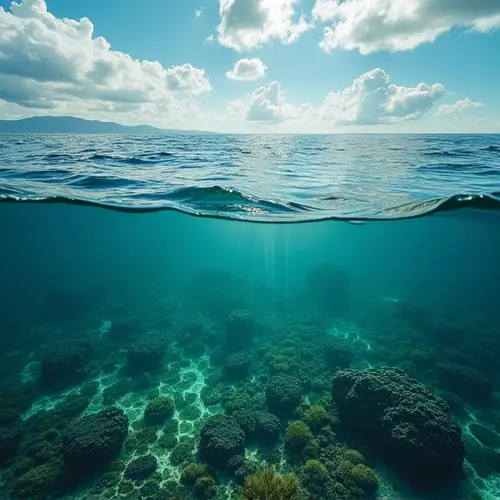
Oceans cover two-thirds of the Earth's surface, yet only 8% are currently protected. Research shows that marine protected areas can lead to ecosystem recovery, benefiting biodiversity and human communities reliant on oceans for food, oxygen, and climate regulation.
Klaudija Cremers, an ocean researcher, highlighted the treaty's rapid progress compared to previous international agreements. The treaty will take effect 120 days after the 60th ratification, followed by a dedicated UN summit on ocean conservation.
Despite the lack of new major agreements at the Nice summit, it served as a platform for reaffirming commitments and forming new coalitions. Controversial topics like deep-sea mining were also discussed, with 37 nations pledging to ban the practice due to its uncertain environmental impact.
The Netherlands' absence from ministerial representation at the summit drew criticism, with environmental advocates like Ewout van Galen expressing disappointment over the country's lagging efforts in North Sea protection.




Follow Discussion