Nederlands
 English
 Deutsch
 Français
 Español
 Português






Major International Rail Freight Agreement Signals New Era in Global Trade
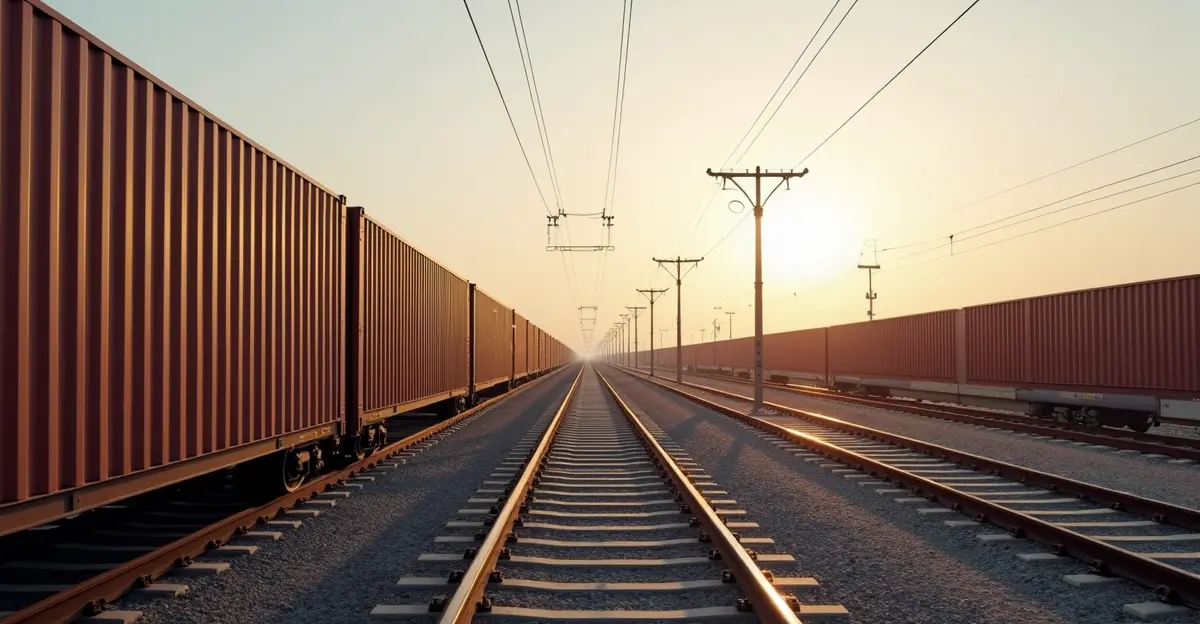
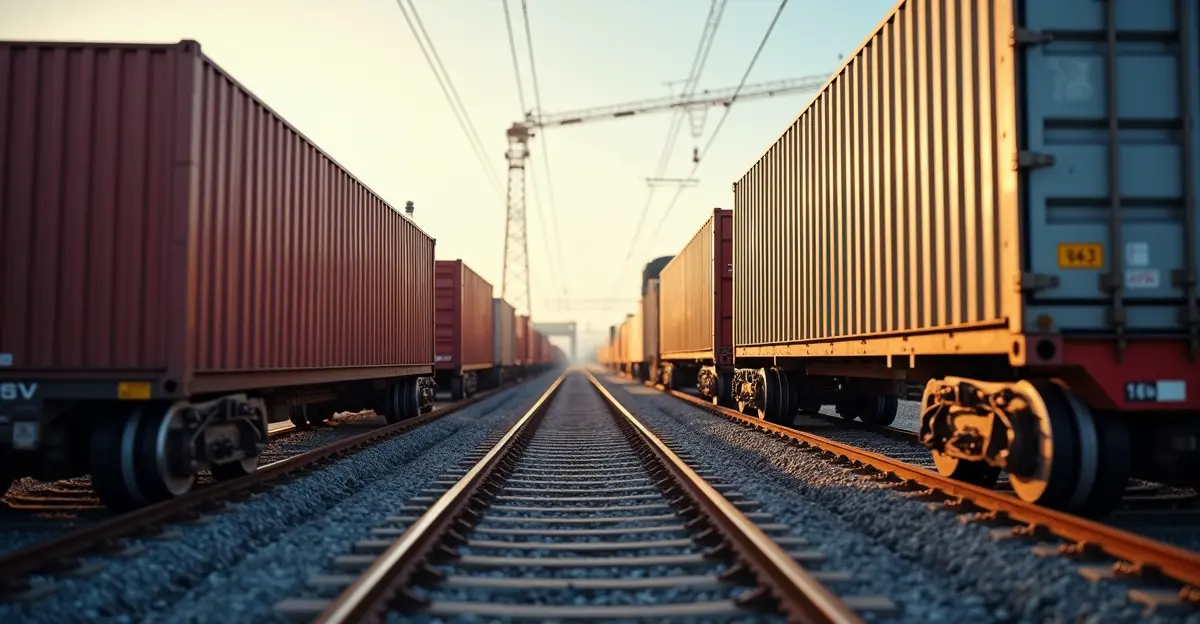
In a landmark development for international logistics, six nations have signed a comprehensive cross-border rail freight accord that promises to reshape Eurasian supply chains and create new economic opportunities across multiple continents. The agreement, finalized in Tehran on May 12, 2025, brings together China, Iran, Kazakhstan, Turkmenistan, Uzbekistan, and Turkey in a strategic partnership to develop a 12,000-kilometer rail corridor connecting China to Europe through Central Asia and the Middle East.
Details of the Agreement
The accord establishes a framework for harmonized tariffs, coordinated schedules, and simplified customs procedures across participating nations. With an estimated $8 billion in required infrastructure investment, the project aims to create a land-based alternative to traditional maritime routes that have faced increasing disruptions in recent years. 'This agreement represents a quantum leap in Eurasian connectivity,' said Iranian Transport Minister Mohammad Eslami during the signing ceremony. 'We're not just building railways; we're building economic bridges between East and West.'
The new corridor will dramatically reduce shipping times from 30-45 days by sea to just 18-25 days by rail, representing a 200% improvement in delivery speed. This efficiency gain is particularly significant for time-sensitive goods like electronics, textiles, and perishable food items. According to industry analysts, the route could handle up to 60 million tons of cargo annually upon full implementation.
Geopolitical and Economic Implications
The timing of this agreement is particularly noteworthy given current geopolitical tensions affecting traditional shipping routes. With attacks in the Red Sea and disruptions at major ports creating uncertainty for maritime transport, the rail alternative offers greater stability and predictability. 'This isn't just about economics; it's about strategic autonomy,' noted Central Asia trade expert Dr. Elena Petrova. 'Nations are seeking alternatives to maritime routes that have become vulnerable to geopolitical pressures.'
The accord also represents a significant shift in regional power dynamics. China's leadership in the initiative reflects its growing influence in Central Asia and the Middle East, while Iran positions itself as a crucial logistical hub between Asia and Europe. Turkey's participation strengthens its role as a bridge between continents, potentially boosting its position in global trade networks.
Impact on Markets and Communities
For businesses, the new rail corridor offers multiple advantages. Reduced transit times mean lower inventory costs and improved cash flow, while the reliability of rail transport compared to maritime alternatives provides greater supply chain stability. The automotive, agriculture, energy, and bulk commodity industries are expected to benefit significantly from the improved connectivity.
Local communities along the route stand to gain from infrastructure development and increased economic activity. The project is expected to create thousands of jobs in construction, operations, and supporting services. 'This will transform our region from a transit corridor to an economic hub,' said Kazakh official Aigerim Sarsenova. 'We're talking about new logistics centers, warehousing facilities, and service industries that will create sustainable employment for our people.'
Environmental considerations also play a role in the agreement's significance. Rail transport produces significantly lower carbon emissions compared to maritime shipping, with estimates suggesting a 75% reduction in greenhouse gases per ton-kilometer. This aligns with global sustainability goals and could make the route attractive to environmentally conscious shippers.
Parallel Developments in Other Regions
While the Eurasian agreement represents the most ambitious cross-border rail initiative, similar developments are occurring elsewhere. In the Gulf region, the UAE and Oman recently signed their own cross-border rail agreement, creating a dedicated freight corridor between Abu Dhabi and Sohar Port. That project, announced at Global Rail 2025 in Abu Dhabi, will operate seven container trains weekly with an annual capacity of 193,200 TEUs.
In North America, cross-border rail freight continues to play a crucial role in connecting the US, Canada, and Mexico, with ongoing infrastructure investments improving border capacity and efficiency. These parallel developments suggest a global trend toward rail as a strategic component of international trade infrastructure.
Challenges and Future Outlook
Despite the agreement's promise, significant challenges remain. The $8 billion infrastructure investment requires coordinated financing across six nations with varying economic capacities. Technical standardization across different rail systems, regulatory harmonization, and security concerns along the lengthy route will all need to be addressed.
Political stability in the region will be crucial for the project's success, particularly given the complex relationships between some participating nations. However, the economic incentives appear strong enough to overcome these hurdles. 'When you have this level of economic benefit on the table, political differences tend to become more manageable,' observed international relations professor James Wilson.
The agreement represents more than just a transportation project; it signals a fundamental shift in how nations approach international trade infrastructure. By prioritizing rail connectivity, participating countries are investing in long-term economic integration and reduced dependence on vulnerable maritime routes. As implementation progresses in the coming years, the impact on global trade patterns could be profound, potentially reshaping economic relationships across Eurasia and beyond.
For more information on the China-Iran-Europe rail corridor, visit Transport Europa. Details on the UAE-Oman agreement can be found at Gulf News.