Deutsch
 English
 Español
 Français
 Nederlands
 Português






The Melting Arctic: A New Frontier for Resource Diplomacy
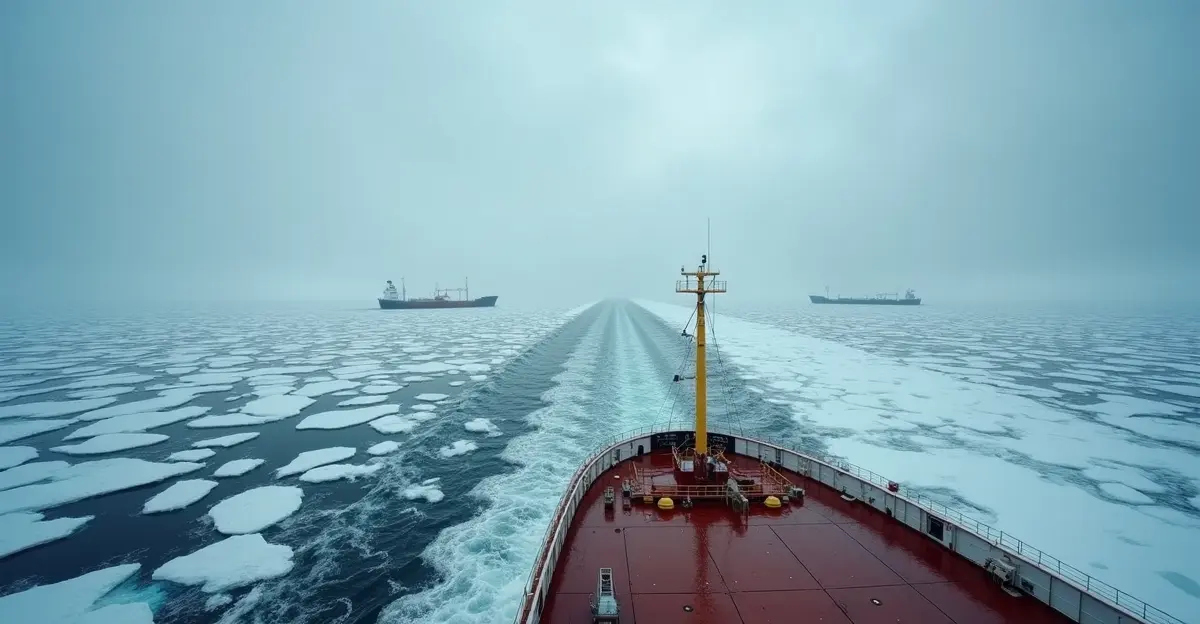
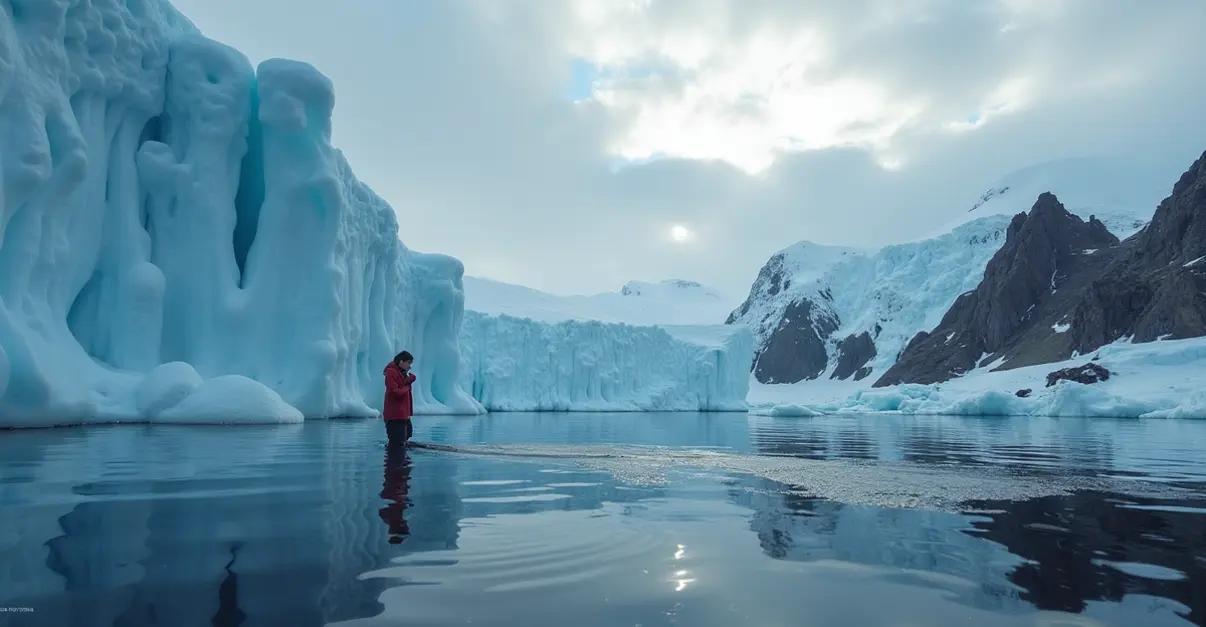
The Arctic region, once a frozen expanse of ice and snow, is rapidly transforming into a geopolitical hotspot as climate change opens up access to vast untapped resources. With an estimated 90 billion barrels of undiscovered oil and 1,669 trillion cubic feet of natural gas, plus critical minerals essential for green technologies, nations are grappling with how to share these riches while protecting one of Earth's most fragile ecosystems.
The Arctic Council: Center of Cooperation
At the heart of Arctic governance stands the Arctic Council, established in 1996 as a high-level intergovernmental forum. Comprising the eight Arctic states—Canada, Denmark, Finland, Iceland, Norway, Russia, Sweden, and the United States—along with six indigenous Permanent Participant organizations, the Council has facilitated landmark agreements on search and rescue, oil pollution preparedness, and scientific cooperation. 'The Arctic Council represents the most successful model of regional cooperation in the world,' says Dr. Lars Jensen, a polar governance expert at the University of Oslo. 'But its consensus-based approach faces unprecedented challenges in today's geopolitical climate.'
Resource Wealth and Territorial Claims
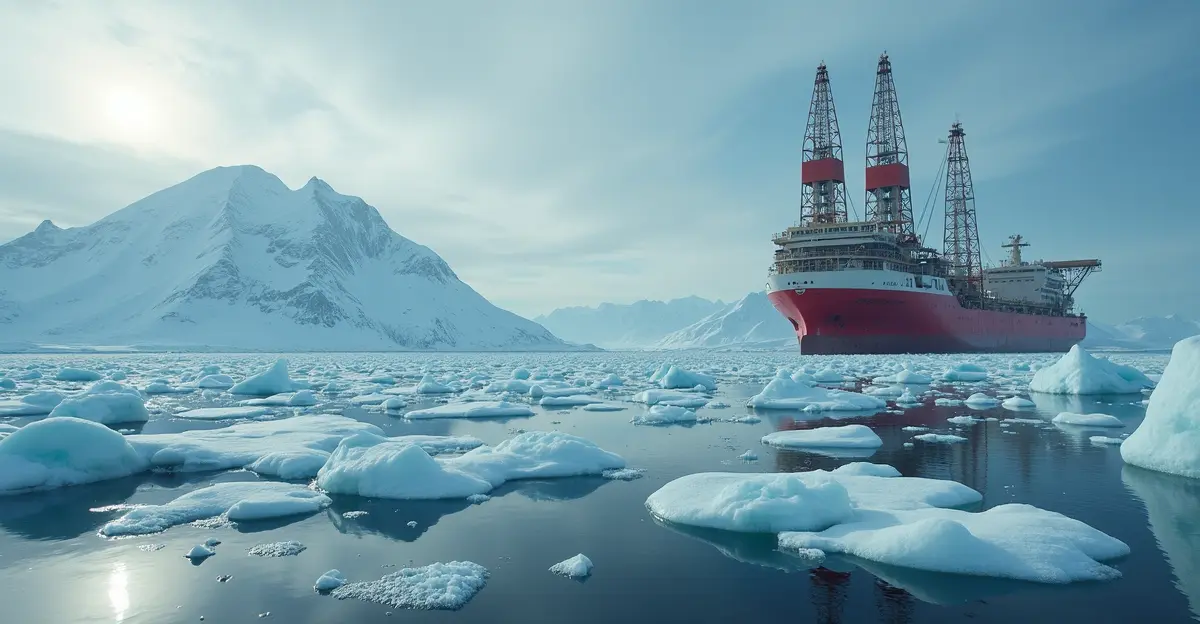
The race for Arctic resources is intensifying as melting ice reveals previously inaccessible seabeds. According to the U.S. Geological Survey, the Arctic holds approximately 13% of the world's undiscovered conventional oil and 30% of undiscovered natural gas. Additionally, 31 out of 34 materials identified as essential for renewable energy technologies are found in the region. Greenland boasts major nickel and cobalt deposits, while Alaska hosts one of the world's largest zinc mines.
Territorial disputes center around extended continental shelf claims under the United Nations Convention on the Law of the Sea (UNCLOS). Russia, Canada, and Denmark have all submitted claims to the Lomonosov Ridge, a 1,800-kilometer underwater mountain range rich in resources. 'These overlapping claims create legal gray areas that could lead to conflicts,' notes Professor Maria Chen, an international law specialist at Cambridge University. 'The challenge is balancing national interests with the need for cooperative management of shared resources.'
Environmental Concerns and Indigenous Rights
The 2025 Arctic Report, released by the World Maritime University and 90 North Foundation, warns of profound environmental transformations in the region. The report advocates for protective measures like Particularly Sensitive Sea Area status for the Central Arctic Ocean to safeguard unique biodiversity. 'The Arctic Ocean is undergoing changes at an unprecedented rate,' states the report's lead author, Dr. Elena Petrova. 'We need science-driven governance that integrates Indigenous knowledge to protect these fragile ecosystems.'
Indigenous communities, represented as Permanent Participants in the Arctic Council, face existential threats to food security and cultural continuity. The Inuit Circumpolar Council has been vocal about ensuring resource development respects indigenous rights under the United Nations Declaration on the Rights of Indigenous Peoples (UNDRIP). 'Our communities have lived in the Arctic for millennia,' says Sarah Kuptana, an Inuit leader from Canada. 'Any resource sharing must include our meaningful participation and respect our traditional knowledge.'
Current Agreements and Future Challenges
Several key agreements govern Arctic resource sharing. The 2018 Agreement to Prevent Unregulated High Seas Fisheries in the Central Arctic Ocean, signed by ten parties including the Arctic states, China, Japan, South Korea, and the European Union, establishes a precautionary approach to fishing. Canada maintains an indefinite moratorium on new offshore oil and gas licensing in Arctic waters, established in 2016.
However, the geopolitical landscape has shifted dramatically. Since Russia's invasion of Ukraine in 2022, seven Arctic Council members have suspended participation in meetings under Russian chairmanship, though they continue limited cooperation on approved projects. This has created uncertainty about the future of Arctic governance. 'The Arctic Council's work continues, but the political tensions are undeniable,' acknowledges Norwegian Foreign Minister Anniken Huitfeldt. 'We must find ways to maintain dialogue on critical issues like environmental protection and sustainable development.'
The Path Forward: Balancing Development and Protection
Experts agree that successful Arctic resource sharing requires a multi-faceted approach. The 2025 Arctic Energy & Resource Symposium in Calgary highlighted the need for balancing energy needs of remote communities with environmental protection. Key recommendations include strengthening the legal framework under UNCLOS, enhancing scientific cooperation through organizations like the International Arctic Science Committee, and ensuring indigenous communities have a decisive voice in resource management decisions.
'The Arctic is not just a resource frontier—it's a bellwether for how humanity manages shared global challenges,' concludes Dr. James Wilson, director of the Polar Research Institute. 'How we navigate Arctic resource sharing today will set precedents for international cooperation in the face of climate change for decades to come.'