
 Deutsch
 English
 Español
 Français
 Nederlands
 Português

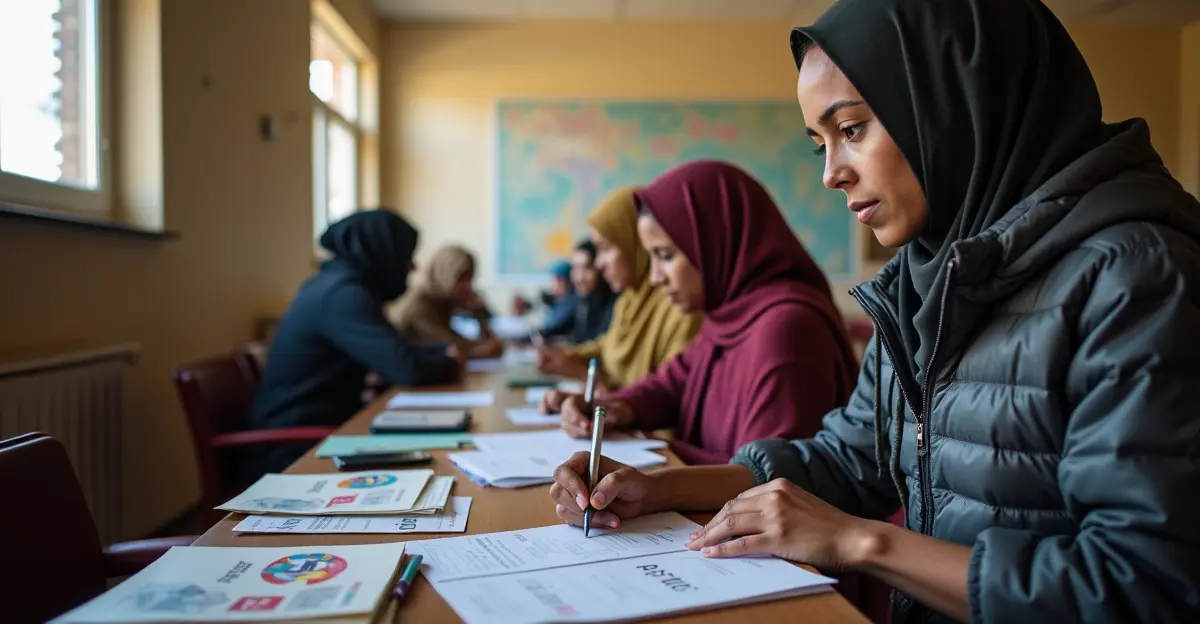





From Survival to Thriving: The New Era of Refugee Integration
As global displacement reaches unprecedented levels, with over 110 million people forcibly displaced worldwide according to UNHCR, nations are rethinking their approach to refugee integration. The traditional model of providing basic shelter and legal status is giving way to more holistic frameworks that address housing, employment, education, and social cohesion simultaneously. 'We need to move from providing mere life to enabling a good life,' explains Dr. Maria Schmidt, a leading researcher in refugee studies at the University of Oxford, referencing the paradigm shift outlined in recent academic literature.
Housing: Beyond Temporary Shelter
The housing crisis for refugees has prompted innovative solutions across Europe and North America. The Newcomer Housing Funding Strategies Toolkit provides organizations with practical guidance on securing sustainable housing solutions. 'Housing isn't just about four walls and a roof—it's about creating stable foundations for integration,' says Ahmed Hassan, director of Refugee Housing Solutions. Successful programs now focus on mixed communities rather than segregated refugee housing, promoting interaction with local residents from day one.
Employment: Pathways to Economic Self-Sufficiency
The UNHCR's Welcome. Working for Refugee Integration Programme evaluation reveals promising results from targeted employment initiatives. Programs that combine language training with vocational skills and direct employer partnerships show employment rates 40% higher than traditional approaches. 'Refugees bring diverse skills and resilience that can fill critical labor gaps,' notes employment specialist Lena Kowalski. Germany's 'Job Integration Passport' and Canada's 'Express Entry' system for skilled refugees demonstrate how streamlined credential recognition accelerates economic integration.
Education: Building Futures Through Learning
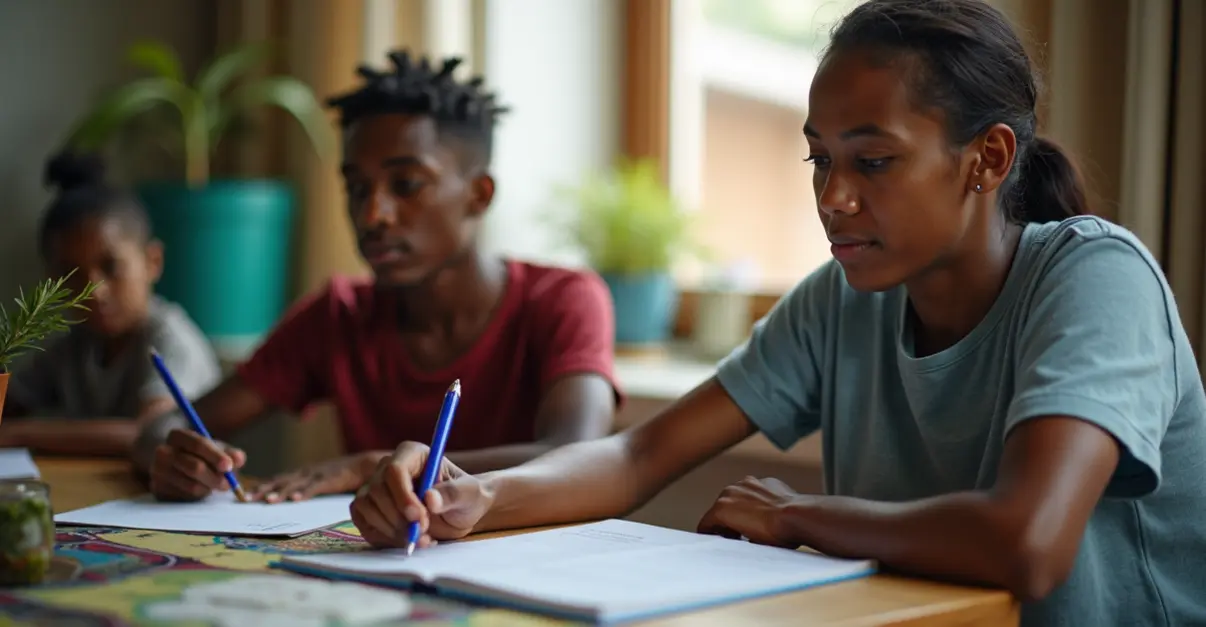
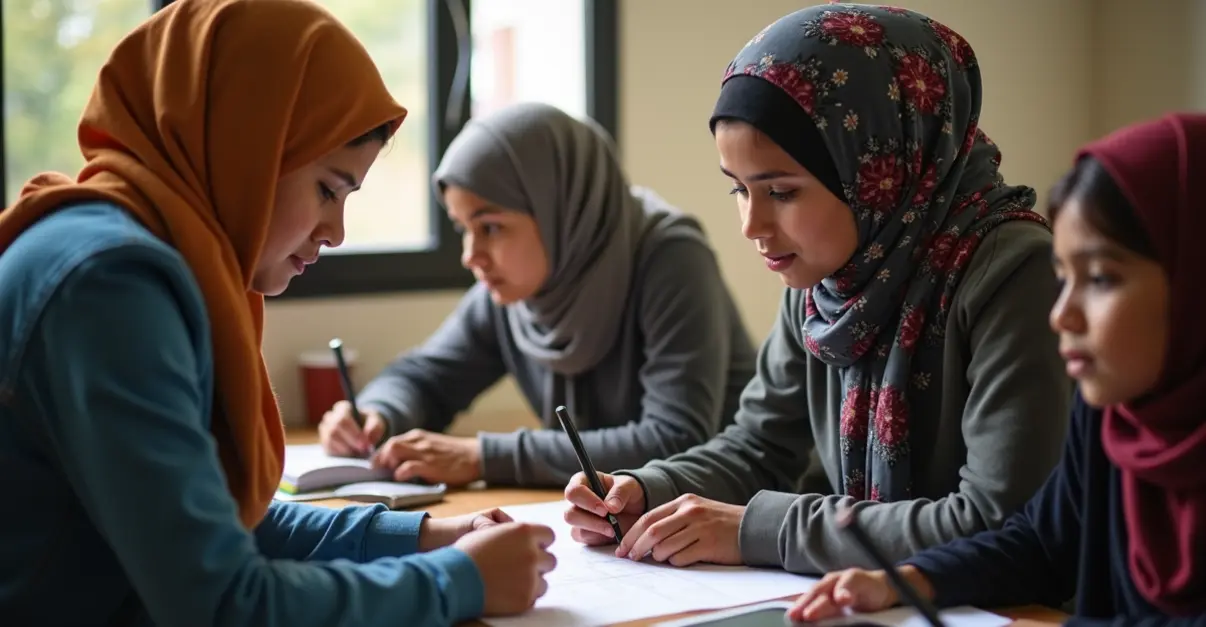
Access to education remains a cornerstone of successful integration. The 2025 academic article 'Reframing Higher Education Systems for Refugee Populations' highlights innovative approaches to credential recognition and flexible learning pathways. Countries like Sweden and Finland have implemented 'fast-track' programs that recognize foreign qualifications while providing supplementary training. 'Education is the most powerful tool for breaking cycles of displacement and poverty,' emphasizes Professor James Chen of the Global Education Initiative.
Social Cohesion: Building Bridges Between Communities
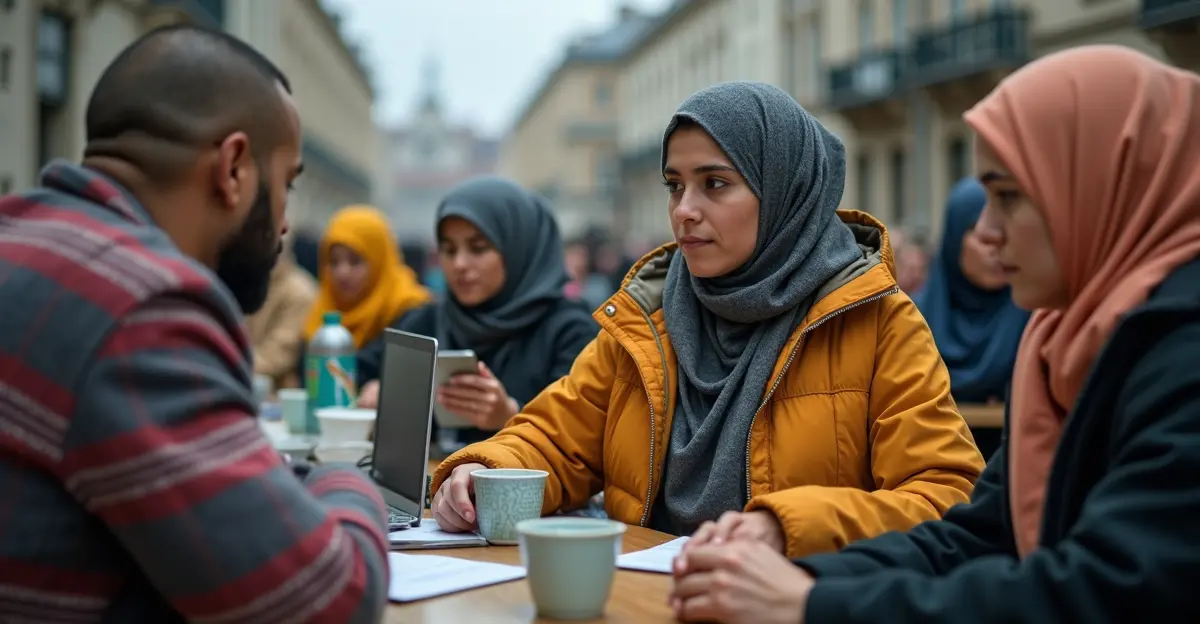
Perhaps the most challenging aspect of integration is fostering genuine social connections. Research published on social cohesion investments identifies community centers, cultural exchange programs, and sports initiatives as particularly effective. 'When refugees and host communities work together on community projects, stereotypes break down naturally,' observes social worker Fatima Al-Mansour. The International Rescue Committee's community centers in major cities serve as models, offering shared spaces for language classes, job workshops, and cultural events.
Policy Innovations and Future Directions
Several European countries are pioneering comprehensive integration policies. Ireland's International Protection Accommodation Services (IPAS) coordinates housing, services, and integration policy implementation. The Greek political alliance Prasino+Mov advocates for a comprehensive European refugee integration policy with legal entry channels. Looking ahead, experts emphasize the need for policies that connect integration with broader sustainable development goals, as explored in the ICMC analysis of SDGs and refugee integration. 'Integration isn't a separate policy area—it's interconnected with education, economic development, and social justice,' concludes policy analyst David Miller.
The most effective programs recognize that housing stability enables employment search, employment provides resources for education, and education fosters social mobility—creating a virtuous cycle of integration. As nations face increasing refugee flows, these innovative approaches offer hope for building inclusive societies where both refugees and host communities thrive together.


Follow Discussion