


 Deutsch
 English
 Español
 Français
 Nederlands
 Português


 Share
Share




Autonomous Terminal Trial Shows Dramatic Efficiency Gains
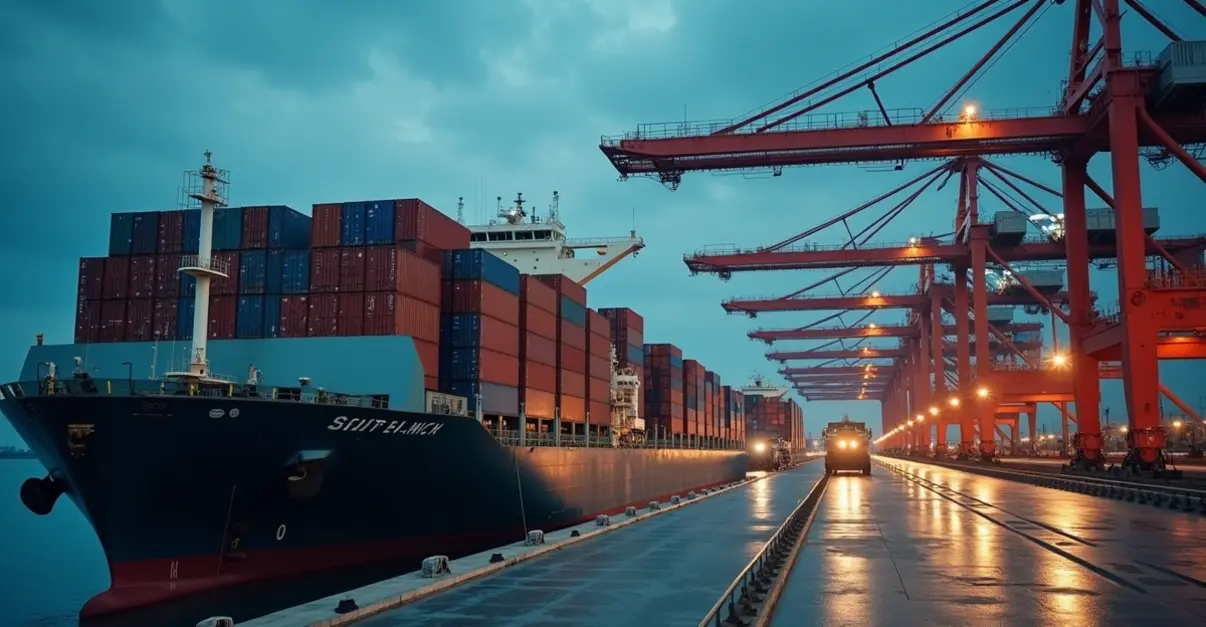
A groundbreaking trial of fully autonomous terminal operations at major international ports has demonstrated significant improvements in throughput metrics, according to recent industry reports from 2025-2026. The implementation of advanced automation technologies has resulted in container handling efficiency increases of up to 35% at participating facilities, while simultaneously addressing critical workforce transition challenges that have long plagued port modernization efforts.
Operational Breakthroughs and Performance Metrics
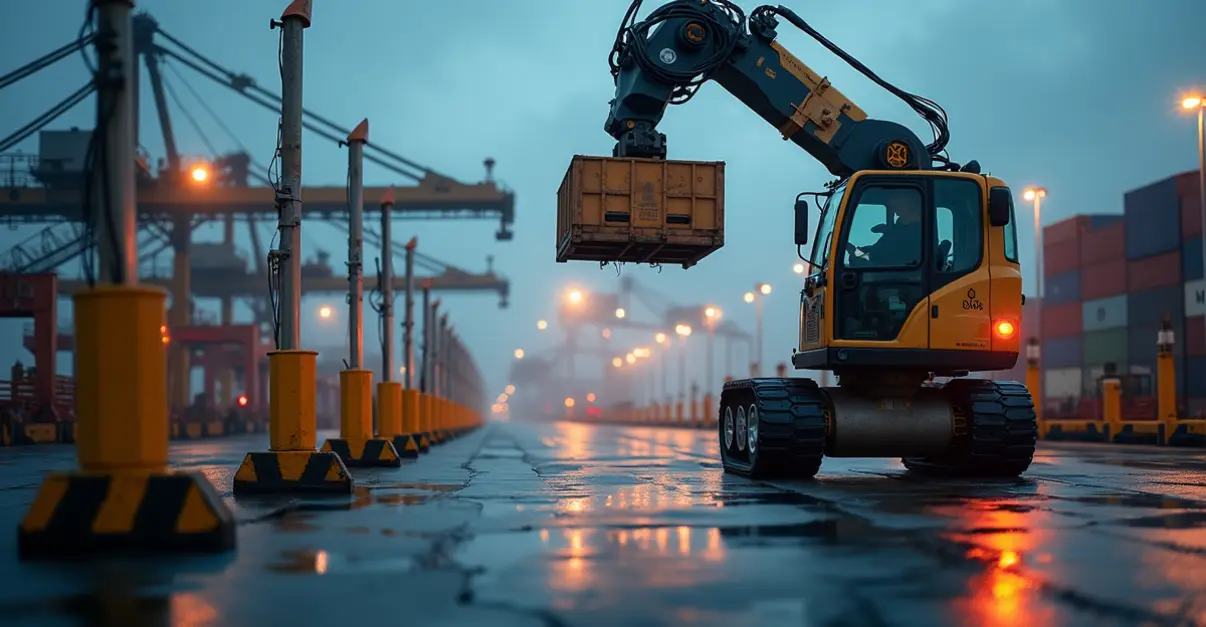
The autonomous terminal trials, conducted across multiple global ports including facilities in Europe, Asia, and North America, utilized a combination of automated guided vehicles (AGVs), robotic cranes, and AI-powered logistics systems. 'We've seen container moves per hour increase from 25 to 34 during peak operations,' reported Maria Chen, Operations Director at the Port of Rotterdam's automated terminal. 'More importantly, we've achieved 99.8% accuracy in container placement and retrieval, reducing rehandling operations by nearly 40%.'
According to the Drewry Global Container Terminal Operators Annual Review 2025/26, ports implementing comprehensive automation strategies have shown average throughput increases of 22-35% compared to conventional terminals. The report highlights that automated systems enable more efficient container stacking, with density improvements of up to 15% in yard operations.
Worker Transition and Scaling Considerations
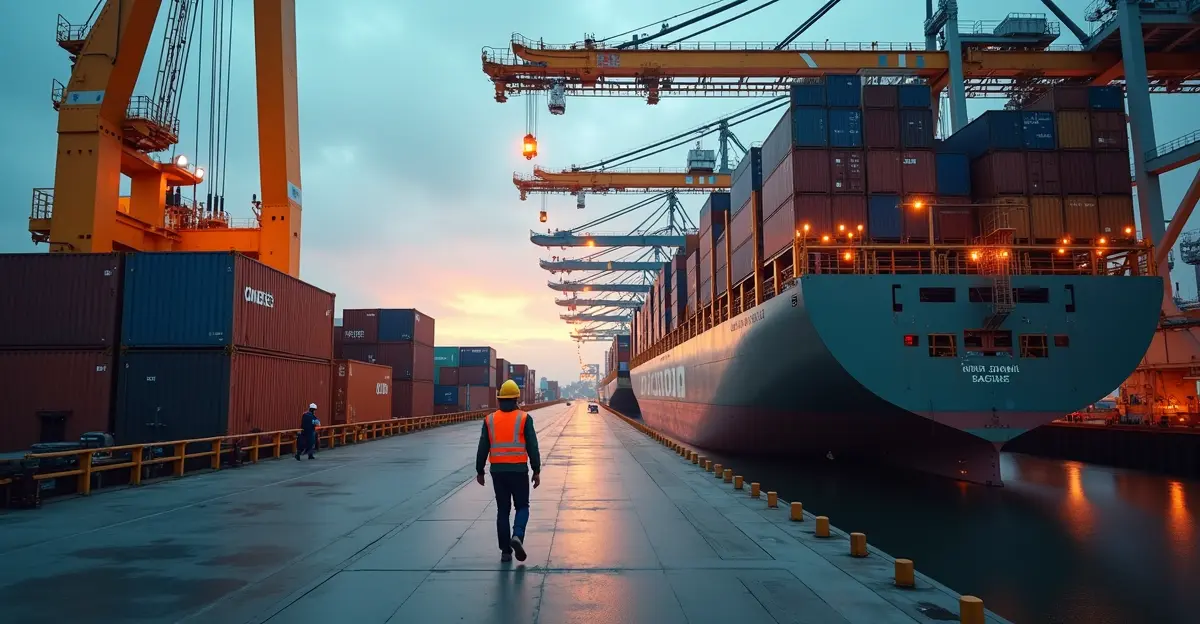
Perhaps the most significant development in these trials has been the successful implementation of worker transition programs. 'Automation doesn't have to mean job elimination—it can mean job transformation,' explained Dr. James Wilson, a labor economist specializing in port operations. 'We're seeing dockworkers retrained as automation system supervisors, maintenance technicians, and data analysts. The key is investing in comprehensive retraining programs before automation deployment.'
The World Economic Forum's analysis of port automation transitions reveals that successful programs typically allocate 15-20% of automation project budgets to workforce development. This includes not only technical training but also education in emerging areas like clean energy infrastructure, where ports are increasingly becoming hubs for green hydrogen and e-methanol distribution.
Scaling Challenges and Implementation Strategies
While the trial results are promising, scaling autonomous operations presents significant challenges. 'The upfront investment for full automation can exceed $500 million for a medium-sized terminal,' noted Sarah Johnson, a port infrastructure consultant. 'However, our analysis shows that the return on investment timeline has shortened from 10-12 years to 6-8 years due to improved technology and operational efficiencies.'
Research published in Transportation Research indicates that automation alone doesn't guarantee higher efficiency unless effectively integrated with proper staff training and gradual investment strategies. The study of 20 Mediterranean container ports found that cargo intensity (TEUs per call) proved more significant for port performance than automation alone, highlighting the importance of vessel size and cargo concentration.
Future Outlook and Industry Implications
The success of these autonomous terminal trials comes at a critical time for global shipping. With supply chain pressures continuing and environmental regulations tightening, ports face increasing pressure to improve efficiency while reducing emissions. Automated systems have demonstrated not only throughput improvements but also environmental benefits, with trial sites reporting 20-30% reductions in energy consumption per container moved.
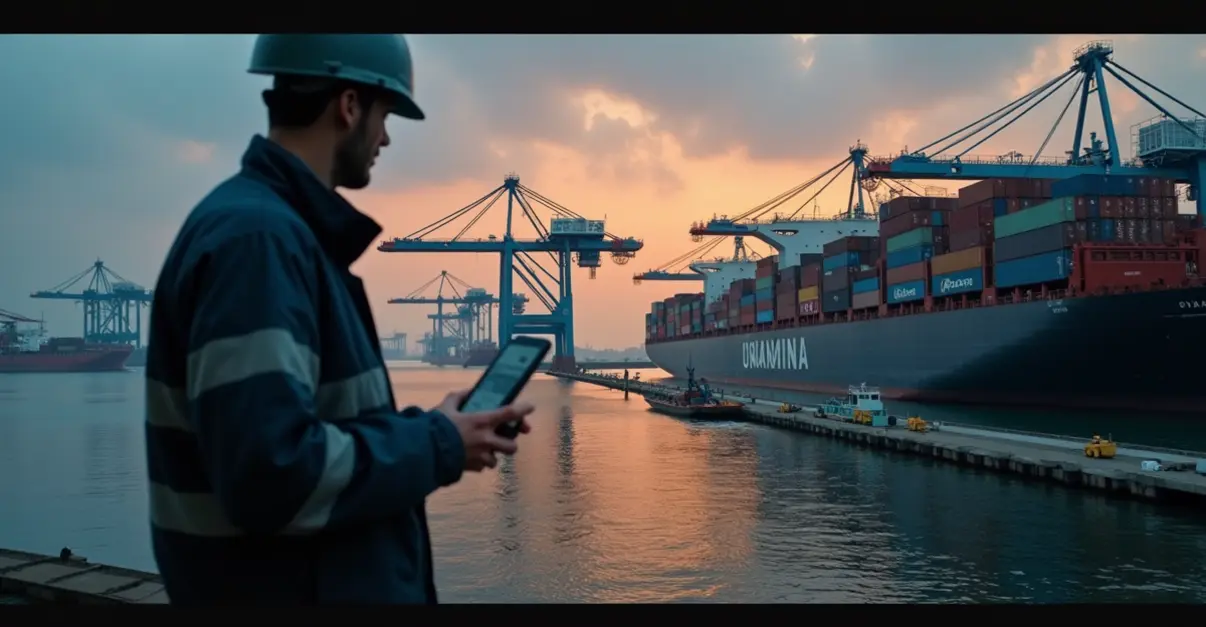
'What we're seeing is a fundamental shift in how ports operate,' said Chen. 'The combination of automation, data analytics, and sustainable practices is creating ports that are not just more efficient, but more resilient and adaptable to future challenges.' As the industry moves forward, the lessons from these trials will likely shape port development strategies worldwide, balancing technological advancement with workforce considerations in an increasingly automated maritime landscape.


Follow Discussion