Nederlands
 English
 Deutsch
 Français
 Español
 Português
A startup announces breakthrough desalination tech that cuts energy use by 40%, transforms brine waste into valuable minerals, and prevents scaling - offering affordable water for arid regions while creating economic value from waste.

Revolutionizing Water Security: A Startup's Game-Changing Desalination Technology
In a major development for water-scarce regions worldwide, an innovative startup has announced a breakthrough in low-cost desalination technology that addresses three critical challenges simultaneously: energy consumption, brine disposal, and scaling issues. The announcement comes at a crucial time when global desalination capacity continues to expand but faces significant environmental and economic hurdles.
The Triple Challenge Solution
The startup's proprietary system tackles what experts call the 'desalination trilemma' - the interconnected problems of high energy use, brine waste management, and mineral scaling that plague conventional desalination plants. Traditional seawater reverse osmosis (SWRO) plants, which dominate the global desalination market, typically produce 1.5 to 2 liters of concentrated brine for every liter of freshwater generated. This brine, if not properly managed, can harm marine ecosystems when discharged back into the ocean.
'We've developed what we believe is the first truly circular approach to desalination,' said company spokesperson Anna Petrova. 'Our technology doesn't just produce freshwater - it transforms waste brine into valuable resources while dramatically reducing energy requirements.'
How the Technology Works
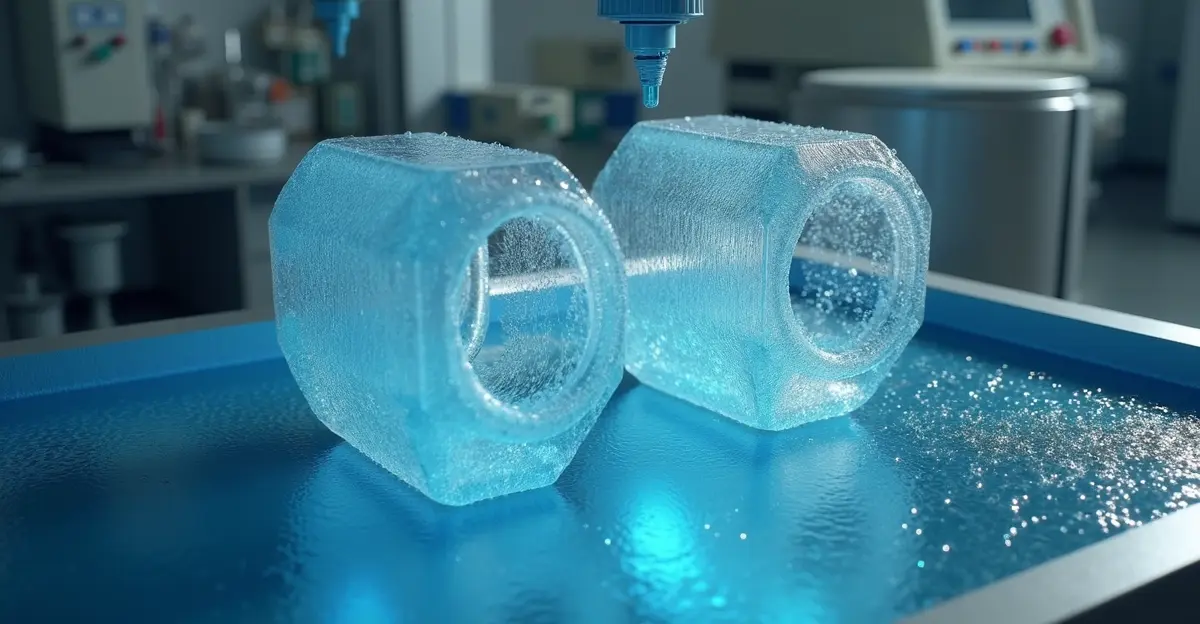
The breakthrough centers on a novel membrane system combined with electrochemical processes that work in tandem. Unlike conventional reverse osmosis that requires high-pressure pumps consuming substantial electricity, the new approach uses a combination of forward osmosis and specially engineered membranes that operate at much lower pressures. This innovation alone reduces energy consumption by approximately 40% compared to state-of-the-art SWRO plants.
More impressively, the system addresses brine disposal through what the company calls 'brine valorization.' Instead of treating concentrated saltwater as waste, the technology extracts valuable minerals including magnesium, lithium, calcium, and potassium. According to a 2025 review, brine from desalination plants could potentially meet or exceed current global production levels for several critical minerals.
Scaling Solutions for Arid Regions
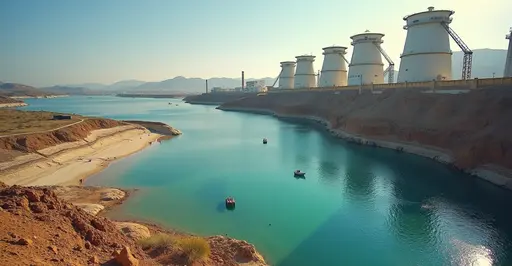
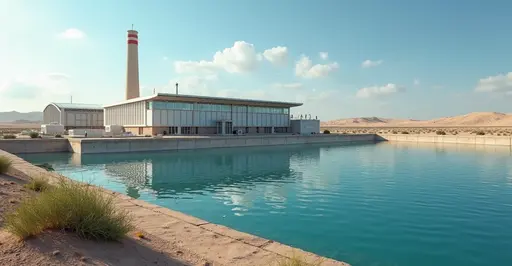
The technology is particularly promising for arid regions where water scarcity is most acute. Many Middle Eastern and North African countries rely heavily on desalination for their freshwater needs, but face challenges with brine disposal in sensitive desert and coastal environments. The startup's modular design allows for scalable deployment, from small community systems to large municipal plants.
'What excites us most is the potential for this technology in water-stressed communities,' Petrova explained. 'We're not just offering another desalination method - we're providing a comprehensive water resource management solution that creates economic value from what was previously considered waste.'
Industry Context and Competition
The announcement comes amid growing innovation in the water technology sector. Recent developments include Capture6's $27.5 million funding for brine-to-carbon-capture technology and University of Michigan's research on eco-friendly desalination membranes. The global desalination market, valued at over $20 billion, is experiencing what analysts call a 'third wave' of innovation focused on sustainability and circular economy principles.
At the recent Tech Tour Water Tech 2025 event in Copenhagen, numerous companies presented breakthrough solutions, including solar-thermal desalination and AI-powered water management tools. However, industry experts note that the startup's integrated approach - addressing energy, brine, and scaling simultaneously - represents a significant advancement.
Economic and Environmental Implications
The economic case appears compelling. By recovering valuable minerals from brine, the technology could offset 30-50% of operational costs, according to preliminary estimates. This makes desalination more affordable for developing regions while creating new revenue streams. Environmentally, the reduction in brine discharge addresses one of the most significant criticisms of conventional desalination.
As desalination becomes increasingly crucial for global water security, innovations like this startup's breakthrough could reshape how we think about water production. With climate change intensifying droughts and population growth increasing demand, the need for sustainable, affordable desalination has never been greater. The company plans pilot projects in several arid regions over the next 18 months, with commercial deployment targeted for 2027.
'We're at a tipping point in water technology,' concluded Petrova. 'The solutions exist - now we need the will and investment to deploy them at scale. Our breakthrough proves that we can have abundant freshwater without sacrificing environmental responsibility or economic viability.'