Nederlands
 English
 Deutsch
 Français
 Español
 Português
New research shows climate-sensitive diseases spreading rapidly due to climate change, while inadequate surveillance funding and health system preparedness create dangerous vulnerabilities worldwide.

Climate Change Fuels Spread of Infectious Diseases Worldwide
A comprehensive new study has revealed that climate-sensitive diseases are spreading at an alarming rate, putting unprecedented pressure on global health systems already strained by funding cuts and inadequate preparedness. The research, published in The Lancet Planetary Health, highlights how rising temperatures, shifting rainfall patterns, and more frequent extreme weather events are creating ideal conditions for pathogens to thrive in new regions.
According to the World Health Organization (WHO), climate change represents one of the greatest threats to human health in the 21st century. 'We are witnessing a perfect storm of environmental change and health system vulnerabilities,' says Dr. Maria Chen, lead author of the study. 'Diseases that were once confined to tropical regions are now appearing in temperate zones, and our surveillance systems are struggling to keep pace.'
The Growing Threat of Vector-Borne Diseases
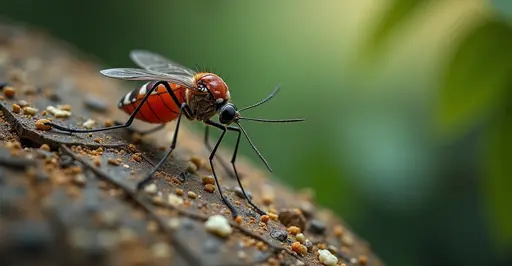
The study identifies vector-borne diseases as particularly sensitive to climatic conditions. Diseases like dengue fever, malaria, Lyme disease, and tick-borne encephalitis are expanding their geographic ranges as warmer temperatures allow disease-carrying mosquitoes and ticks to survive in areas previously too cold for them. WHO data shows that more than half of infectious diseases affecting humans worldwide have already been worsened by climate change.
'What we're seeing is not just gradual change, but rapid shifts in disease patterns,' explains Dr. James Peterson, an infectious disease specialist at Johns Hopkins University. 'Communities that have never dealt with malaria or dengue are now facing outbreaks, and local health systems are completely unprepared.'
Surveillance and Response Funding Crisis
Despite the growing threat, surveillance response funding remains inadequate. The WHO Health Emergencies 2025 Funding & Priorities document reveals significant gaps in resources needed for effective disease monitoring and rapid response. Many countries have reduced public health funding even as climate-related health threats increase.
The Ready or Not 2025 report assesses emergency preparedness across U.S. states and finds concerning gaps in healthcare system readiness. Only 21 states plus Washington D.C. rank in the high-performance tier, while 13 states fall into the low tier. Key weaknesses include limited laboratory surge capacity and reduced public health funding in 14 states.
Health System Readiness Challenges
Health systems worldwide face multiple challenges in preparing for climate-sensitive diseases. Infrastructure designed for historical climate conditions may not withstand future extremes, while healthcare workers often lack training in recognizing and treating emerging diseases. Water and sanitation systems are particularly vulnerable to climate impacts, increasing risks of waterborne diseases like cholera and typhoid.
'We need climate-smart public health systems that can adapt to changing conditions,' argues Dr. Sarah Johnson, a public health policy expert. 'This means investing in resilient infrastructure, developing early warning systems, and ensuring healthcare workers have the knowledge and resources to respond effectively.'
Global Progress Amidst Challenges
Despite these challenges, 2025 has seen meaningful global health progress. According to UN reports, several countries achieved significant milestones in disease elimination. The Maldives achieved 'triple elimination' of mother-to-child transmission of HIV, syphilis, and hepatitis B, while Brazil eliminated mother-to-child HIV transmission. Seven African countries introduced malaria vaccines, preventing an estimated 170 million cases and one million deaths.
The world also adopted its first Pandemic Agreement and strengthened International Health Regulations, representing important steps toward better global health cooperation. However, 20 million children missed essential vaccines due to conflict and misinformation, highlighting ongoing vulnerabilities.
The Path Forward: Integrated Solutions
Experts emphasize that addressing climate-sensitive diseases requires integrated solutions that combine climate change mitigation with public health strengthening. This includes limiting greenhouse gas emissions, improving disease surveillance systems, strengthening vector control programs, and building climate-resilient healthcare infrastructure.
'We cannot treat climate change and public health as separate issues,' concludes Dr. Chen. 'They are fundamentally interconnected, and our response must reflect that reality. Without sustained investment and coordinated action, we risk losing decades of public health progress.'
The study calls for increased funding for surveillance systems, better training for healthcare workers, and stronger international cooperation to monitor and respond to emerging disease threats. As climate change continues to reshape our world, building resilient health systems may be one of the most important investments we can make in our collective future.