


 Deutsch
 English
 Español
 Français
 Nederlands
 Português


 Share
Share




Global Study Reveals 9.3% of Earth's Land at High Risk for Zoonotic Outbreaks
A groundbreaking new study published in Science Advances has identified alarming global hotspots where zoonotic diseases are most likely to spill over from animals to humans. The research, which analyzed data from the World Health Organization's priority diseases including Ebola, Zika, and Crimean-Congo hemorrhagic fever, reveals that 9.3% of the world's land surface faces high or very high risk for zoonotic outbreaks.
Latin America and Oceania Most Vulnerable
The study found Latin America (27.1%) and Oceania (18.6%) to be the regions most affected by zoonotic threats. 'Our analysis shows that climate change, land use changes, and human settlement near forests are creating perfect conditions for disease emergence,' said lead researcher Dr. Maria Rodriguez. 'We're seeing a dangerous convergence of factors that could trigger the next pandemic.'
The research team used machine learning algorithms and satellite data to create comprehensive risk maps, identifying Papua New Guinea and the Republic of Congo as the countries with the highest epidemic risk index. 'These findings should serve as a wake-up call for global health authorities,' Rodriguez emphasized.
One Health Framework Gains Urgency
Coinciding with this research, the Centers for Disease Control and Prevention (CDC) has released the National One Health Framework for 2025-2029, outlining a comprehensive strategy to address zoonotic diseases through coordinated efforts between human, animal, and environmental health sectors.
'The One Health approach is no longer optional—it's essential for pandemic prevention,' stated CDC Director Dr. Mandy Cohen. 'We need integrated surveillance systems that can detect threats before they become outbreaks.'
Land Use Policies Under Scrutiny
A separate study published in Nature Communications examines how land-use changes impact rodent-borne disease hazards under different future socioeconomic scenarios. The research predicts zoonotic hazards for 2025 and 2050 using three Shared Socioeconomic Pathways, revealing that cropland expansion into forests and pastures may increase zoonotic hazards in areas with high rodent species diversity.
'Sustainable development scenarios don't always reduce zoonotic hazards,' explained environmental scientist Dr. James Wilson. 'We found that opening borders and reducing cropland expansion are critical for mitigating current and future risks.'
Breakthrough Research from Emerging Scientists
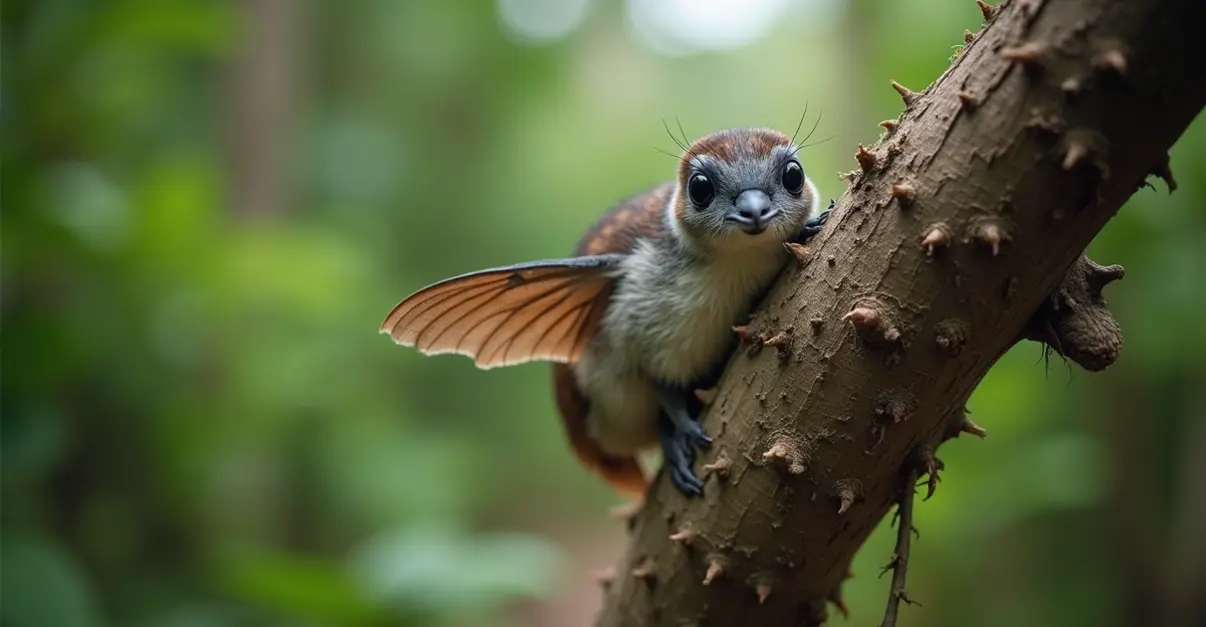
At the University of Saskatchewan's Vaccine and Infectious Disease Organization (VIDO), PhD candidate Victoria Gonzalez has published significant research in PLOS Biology developing new bat cell lines and immunological reagents from Seba's short-tailed bats. 'Understanding how bats interact with viruses without getting sick could hold the key to preventing future pandemics,' Gonzalez told reporters.
Her research, which focuses on zoonotic viruses and comparative immunology, aims to understand why bats—which harbor numerous emerging viruses—show no clinical signs of infection themselves. 'Bats have evolved remarkable immune systems that allow them to coexist with viruses that would be deadly to other mammals,' she explained.
Funding and Surveillance Gaps
Despite these scientific advances, experts warn that surveillance funding remains inadequate. 'We're investing billions in pandemic response but pennies in prevention,' said global health economist Dr. Sarah Chen. 'The economic cost of another pandemic would dwarf the investment needed in surveillance and early warning systems.'
The World Health Organization emphasizes that integrated surveillance systems are crucial for detecting emerging zoonotic diseases. However, many high-risk regions lack the infrastructure and funding for comprehensive monitoring.
Policy Recommendations and Future Directions
Researchers recommend several key policy interventions: increased funding for One Health initiatives, stricter regulations on land use changes near wildlife habitats, enhanced international cooperation on disease surveillance, and investment in local healthcare infrastructure in high-risk regions.
'We have the scientific knowledge to predict where the next pandemic might emerge,' concluded Dr. Rodriguez. 'Now we need the political will and financial resources to prevent it.'
The convergence of climate change, biodiversity loss, and human encroachment into natural habitats creates what experts call a 'perfect storm' for zoonotic disease emergence. As the world continues to grapple with the aftermath of COVID-19, these findings underscore the urgent need for proactive measures to prevent the next global health crisis.



Follow Discussion