Nederlands
 English
 Deutsch
 Français
 Español
 Português






Alarming Rise in Adolescent Mental Health Issues
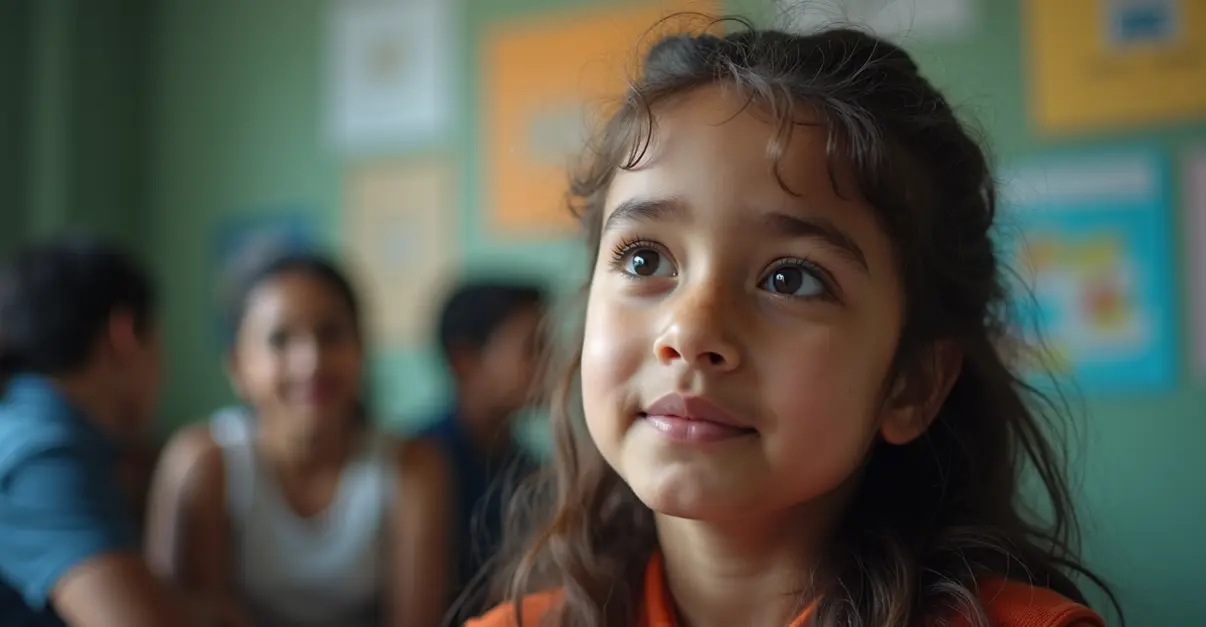
UNICEF's latest global report reveals a significant increase in mental health crises among adolescents, with depression and anxiety rates climbing by nearly 40% since 2020. The comprehensive study surveyed over 300,000 young people across 50 countries, highlighting how pandemic disruptions, climate anxiety, and social media pressures have created a "perfect storm" for youth mental health.
Key Findings from the Report
The data shows that 1 in 5 adolescents now experiences clinical-level mental health symptoms, with girls being disproportionately affected. Suicide remains the fourth leading cause of death among 15-19-year-olds globally. Low-income communities face the greatest challenges, with 95% reporting inadequate access to mental health services.
New Intervention Programs Launched
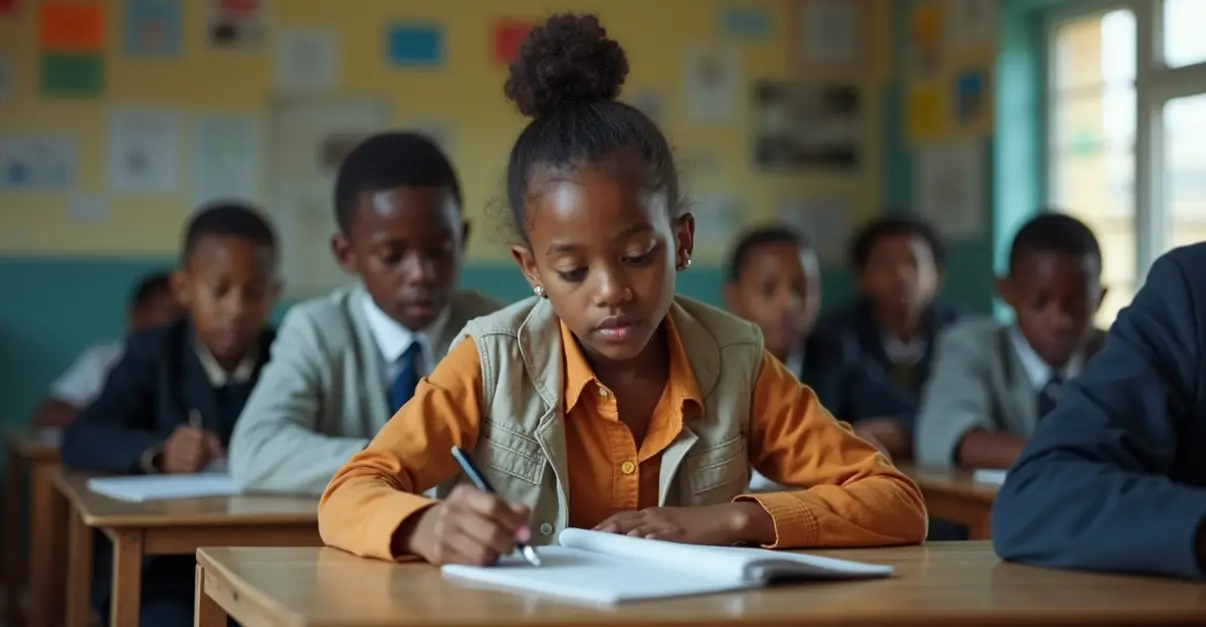
In response, UNICEF has launched "Bright Futures," a $150 million initiative establishing mental health hubs in schools across 30 countries. The program features three key components:
1. Peer support networks training adolescents as mental health first responders
2. Digital counseling platforms offering 24/7 chat support
3. Community awareness campaigns to reduce stigma
Global Coalition for Youth Mental Well-being
UNICEF has partnered with WHO and 40+ NGOs through the Global Coalition for Youth Mental Well-being. The coalition's 2025 action plan includes training 100,000 teachers in psychological first aid and establishing free helplines in 15 languages. "We're creating safety nets that meet youth where they are," said UNICEF Executive Director Catherine Russell.
Addressing Root Causes
The initiative tackles fundamental drivers of mental distress through:
- Economic empowerment programs for vulnerable families
- Digital literacy campaigns promoting healthy online habits
- Climate action youth councils addressing eco-anxiety
- School curricula integrating emotional resilience training
Early results from pilot programs in Brazil and Indonesia show 60% reduction in self-harm incidents and 45% improvement in school attendance where interventions are implemented.