


 Deutsch
 English
 Español
 Français
 Nederlands
 Português


 Share
Share




Smart Devices Revolutionize Sleep Disorder Detection
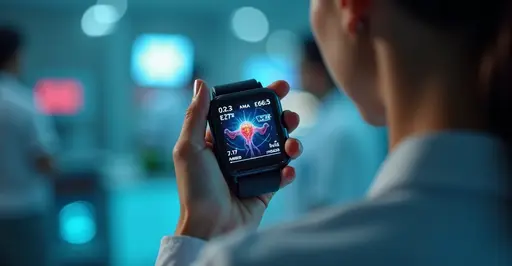
New wearable technology is transforming how we diagnose sleep apnea. Devices worn during sleep can now detect breathing irregularities with clinical accuracy, eliminating the need for overnight lab visits. This breakthrough means millions can get diagnosed from their own beds.
How Wearable Detection Works
These devices use photoplethysmography (PPG) and peripheral arterial tonometry (PAT) sensors to monitor blood oxygen levels, heart rate variability, and breathing patterns. Advanced AI algorithms analyze the data to identify apnea events - pauses in breathing lasting 10 seconds or longer. The SleepImage Ring and NightOwl are among the FDA-cleared devices leading this change.
From Lab to Bedroom
Traditional diagnosis required polysomnography - an expensive overnight stay in a sleep lab with wired sensors. "Home testing wasn't just inconvenient, it was inaccessible for many," explains Dr. Joyce Lee-Iannotti, sleep specialist. "These wearables remove geographical and financial barriers to diagnosis."
The latest generation devices like Belun Ring and EnsoSleep PPG provide detailed reports including:
- Apnea-Hypopnea Index (AHI) scores
- Oxygen saturation patterns
- Sleep stage analysis
- Breathing event timelines
Real-World Impact
With over 1 billion people globally affected by sleep apnea, this technology addresses critical gaps in healthcare access. Studies show early detection reduces risks of stroke, heart disease, and diabetes. Wearables also enable ongoing monitoring for treatment effectiveness.
"We're seeing 80% compliance rates with wearable testing versus 50% with traditional home devices," notes Dr. Ambrose Chiang. "When diagnosis is comfortable and convenient, people actually use it."
Limitations and Future Developments
Current wearables work best for obstructive sleep apnea detection. Complex cases involving central sleep apnea still require lab testing. The American Academy of Sleep Medicine is expected to release updated guidelines incorporating wearable tech by late 2025.
Researchers are now developing devices that can distinguish between obstructive and central events while tracking CO2 levels - potentially bringing lab-grade diagnosis entirely into the home.





Follow Discussion