


 Deutsch
 English
 Español
 Français
 Nederlands
 Português


 Share
Share




The Rising Threat of Antimicrobial Resistance
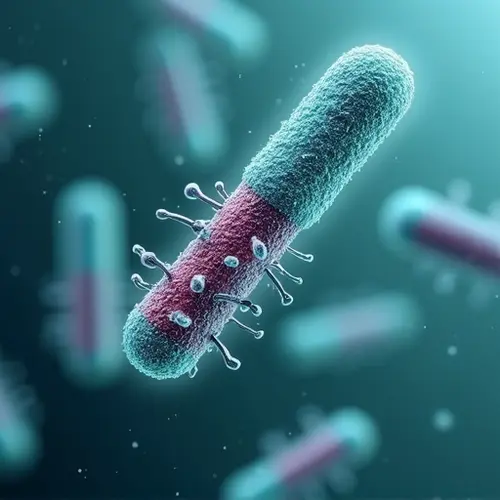
Antimicrobial resistance (AMR) has escalated into one of humanity's greatest health threats, causing nearly 5 million deaths annually. Superbugs - microbes resistant to multiple drugs - are spreading rapidly worldwide. The World Health Organization warns AMR could cause 10 million deaths yearly by 2050 without immediate action. The COVID-19 pandemic diverted resources from AMR research, worsening the crisis.
How Resistance Develops
Resistance occurs when microbes evolve protective mechanisms against antimicrobial drugs through:
- Spontaneous genetic mutations
- Horizontal gene transfer between bacteria
- Antibiotic overuse in medicine and agriculture
Groundbreaking Research Initiatives
In response, major scientific organizations are launching innovative collaborations:
- The ASM and IDSA Interdisciplinary Meeting on Antimicrobial Resistance and Innovation (IMARI) (Jan 2026)
- UCLA's discovery of fungal-derived depsides showing promise against drug-resistant bacteria
- AI-powered molecule design accelerating drug discovery
IMARI Conference Focus Areas
The inaugural conference will feature:
- Emerging resistance mechanisms research
- AI-driven antimicrobial discovery
- Clinical translation strategies
- Cross-sector collaboration models
The Human Cost of Resistance
AMR makes routine medical procedures dangerously risky:
- C-sections become 3 times more likely to cause deadly infections
- Cancer chemotherapy patients face greater sepsis risk
- Common UTIs turn life-threatening
Global Response and Prevention
Critical measures include:
- Strict antibiotic stewardship programs
- Development of rapid diagnostic tests
- Vaccine development against resistant strains
- International AMR treaties regulating antibiotic use


Follow Discussion