Nederlands
 English
 Deutsch
 Français
 Español
 Português
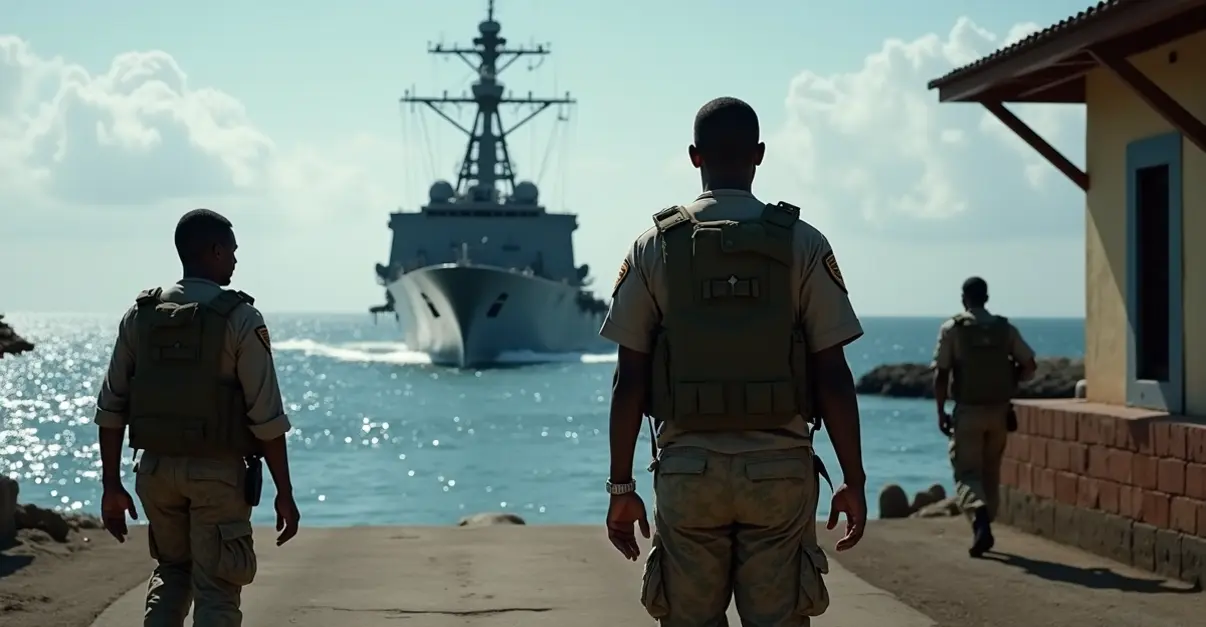





American Naval Presence Signals Heightened Security Concerns
Three U.S. warships have arrived near Port-au-Prince, Haiti's capital, in what appears to be a significant military deployment to the Caribbean nation grappling with extreme gang violence and political instability. The arrival, confirmed by the U.S. military on February 4, 2026, comes as Haiti faces what the United Nations describes as 'one of its most complex crises in recent history.'
Context of Haiti's Deepening Crisis
Haiti has been in a state of escalating crisis since the assassination of President Jovenel Moïse in July 2021. According to Wikipedia's comprehensive overview, the country has experienced massive protests, political deadlock, and the collapse of state institutions. The power vacuum has been filled by armed gangs that now control an estimated 80-90% of Port-au-Prince.
The humanitarian situation is dire. The UN reports that 5.7 million people face food insecurity, 1.4 million are displaced, and over 8,100 killings were documented between January and November 2025 alone. 'We are witnessing a complete breakdown of law and order,' said a UN official who requested anonymity due to security concerns.
Purpose of the US Naval Deployment
While the exact mission of the warships hasn't been officially detailed, analysts suggest several possible objectives. The deployment likely aims to:
- Provide security support for potential evacuation of American citizens
- Demonstrate U.S. commitment to regional stability
- Support international efforts to combat gang violence
- Monitor the security situation for potential humanitarian interventions
The arrival coincides with broader U.S. military activities in the Caribbean under Operation Southern Spear, which began in August 2025 to combat drug trafficking and target Latin American cartels designated as terrorist organizations.
International Response and Regional Implications
The UN's 2026 Humanitarian Response Plan seeks $880 million to assist 4.2 million Haitians, but delivery of aid has been severely hampered by gang control of key infrastructure and roads. 'Without security, we cannot reach those most in need,' explained a humanitarian worker with Médecins Sans Frontières.
Regional neighbors are watching closely. The Caribbean Community (CARICOM) has been attempting to facilitate political dialogue, but progress has been slow. Mexico has been training Haitian soldiers to combat gang violence, with 143 soldiers recently completing an eight-week basic training program.
What Comes Next?
The presence of U.S. warships represents a significant escalation in international involvement in Haiti's crisis. While some welcome the potential for increased security, others express concern about foreign military intervention in a nation with a complex history of international involvement.
'This could be a turning point, either toward stabilization or further escalation,' noted Caribbean security analyst Dr. Maria Rodriguez. 'The key will be whether this naval presence is part of a coordinated international strategy with clear humanitarian and political objectives.'
As the situation develops, all eyes remain on Port-au-Prince, where the arrival of American warships marks a new chapter in Haiti's ongoing struggle for stability and security.