


 Deutsch
 English
 Español
 Français
 Nederlands
 Português


 Share
Share




Maritime Security Patrols Surge at Key Global Chokepoints
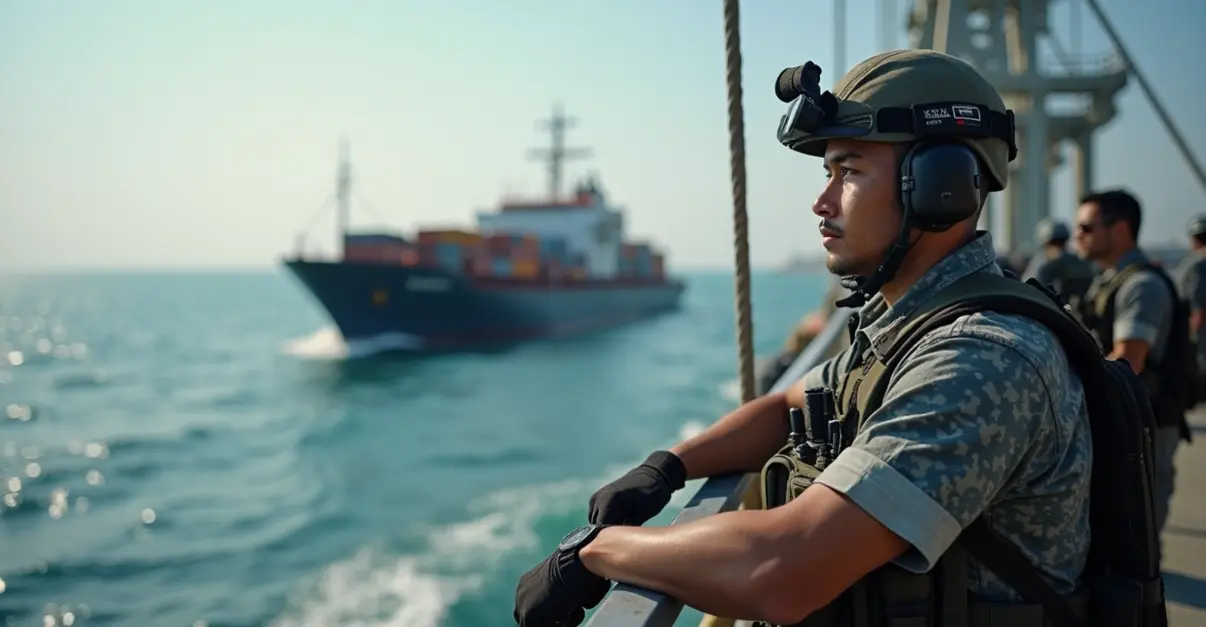
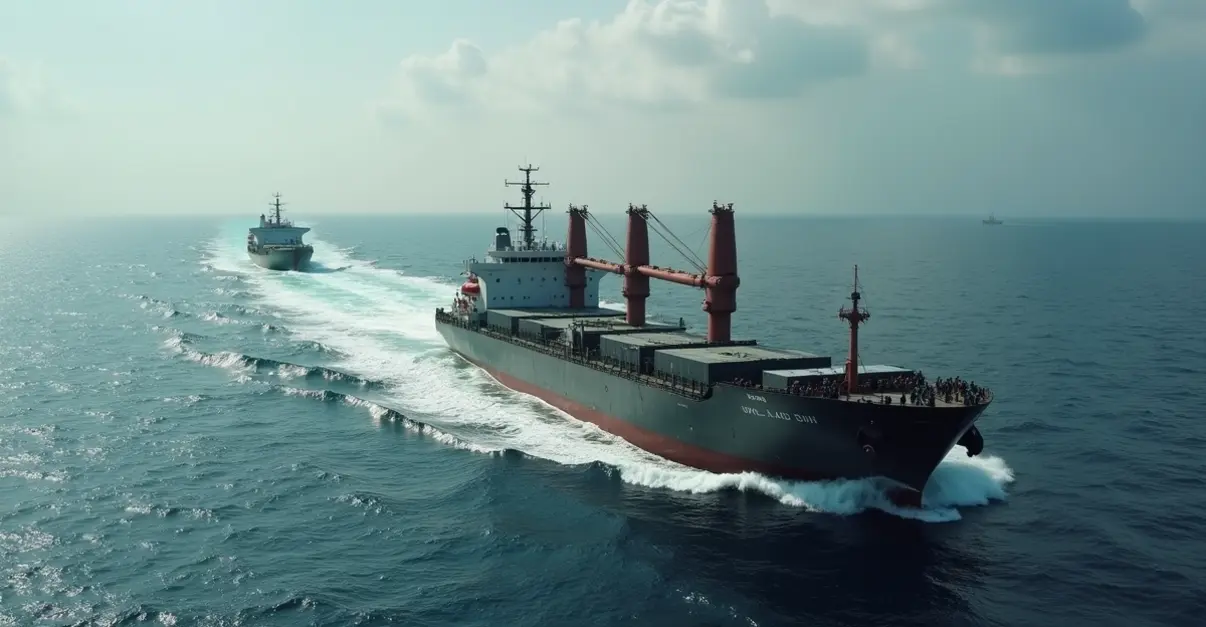
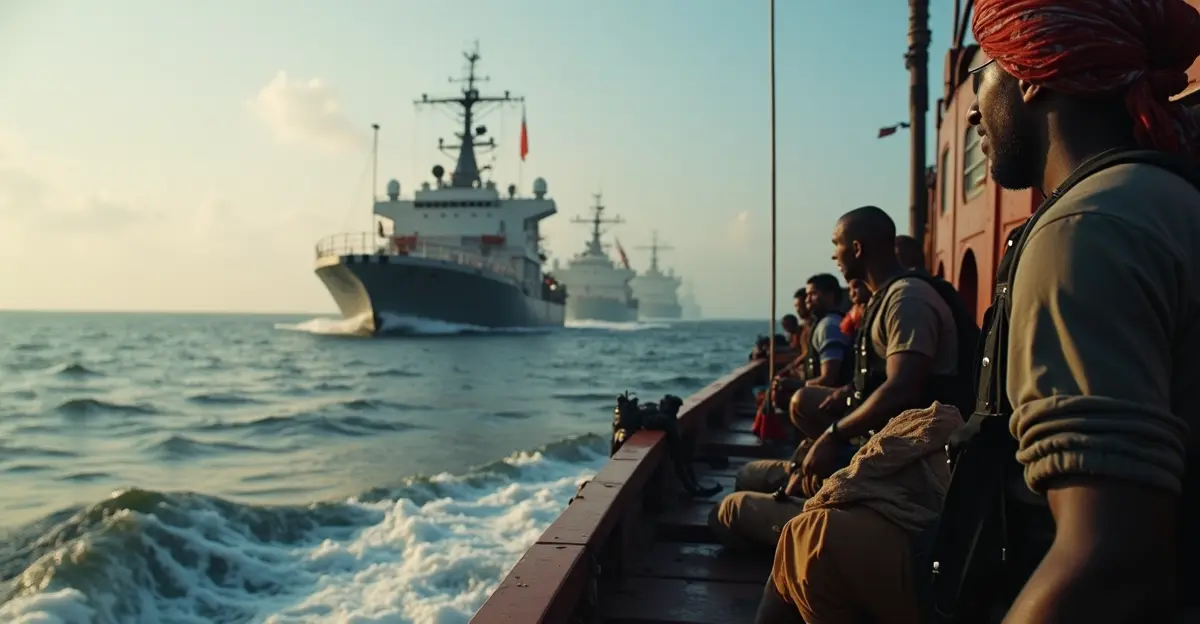
In response to escalating geopolitical tensions and evolving security threats, international coalitions have significantly increased naval patrols and escort operations at critical maritime chokepoints worldwide. From the Strait of Hormuz to the Red Sea and Malacca Strait, military vessels from multiple nations are now conducting coordinated security operations to protect vital shipping lanes that carry approximately one-fifth of global petroleum supplies daily.
Coalition Operations Expand Across Strategic Waterways
The United States-led Operation Prosperity Guardian, launched in December 2023, continues to be a cornerstone of international efforts in the Red Sea region. This multinational coalition includes naval forces from the UK, Australia, Bahrain, Canada, Denmark, and several other nations. 'Our mission remains clear: ensure freedom of navigation and protect commercial shipping from asymmetric threats,' stated a senior naval commander involved in the operations.
Meanwhile, the European Union has extended its Operation ASPIDES until February 2026 with an additional budget of 17 million euros. This mission now covers strategic waterways including the Bab-el-Mandeb Strait, Strait of Hormuz, Gulf of Aden, and Persian Gulf. 'The expansion of ASPIDES reflects our commitment to maritime security beyond immediate crisis response,' explained an EU defense official.
Insurance Market Faces Unprecedented Pressure
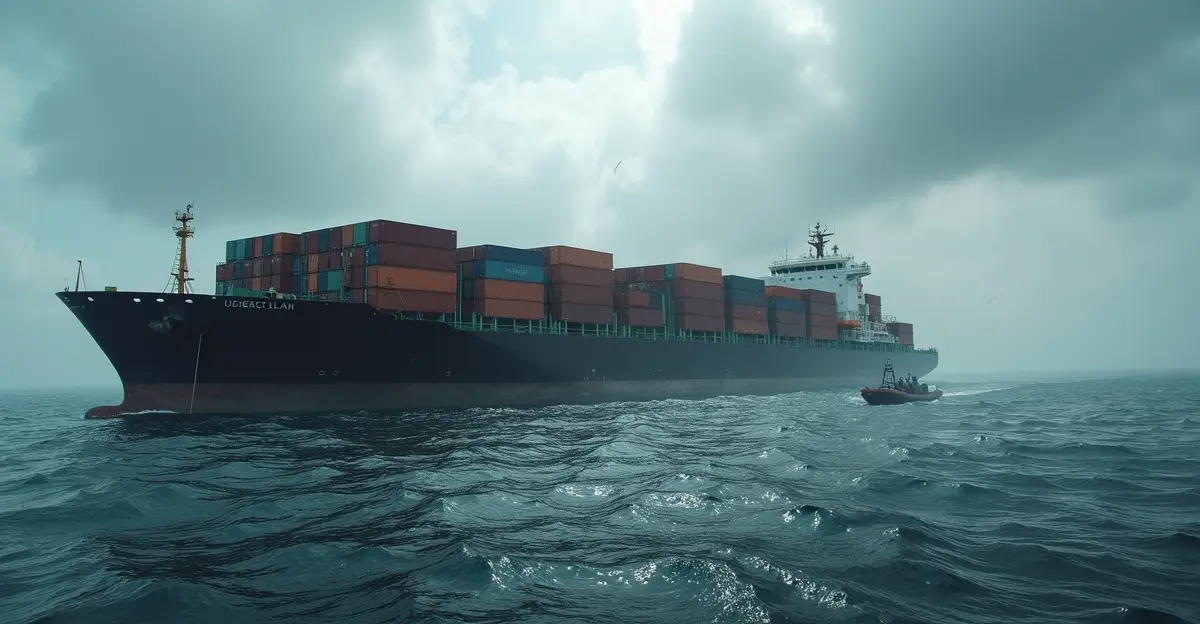
The security situation has triggered dramatic shifts in maritime insurance markets. According to recent reports, war-risk insurance premiums for vessels transiting the Strait of Hormuz have surged by over 60% in 2025. Insurance Business Magazine reports that typical hull and machinery coverage rates have increased from 0.125% to approximately 0.2% of vessel value, meaning insurance on a $100 million ship now costs around $200,000 per passage through the Gulf region.
'We're seeing not just physical risk premiums but also significant uncertainty premiums due to potential missile strikes, cyber disruptions, and proxy attacks,' noted a senior underwriter at a major marine insurance firm. The situation has become so volatile that some insurers are reconsidering their risk appetite in certain regions entirely.
Strategic Chokepoints Under Growing Pressure
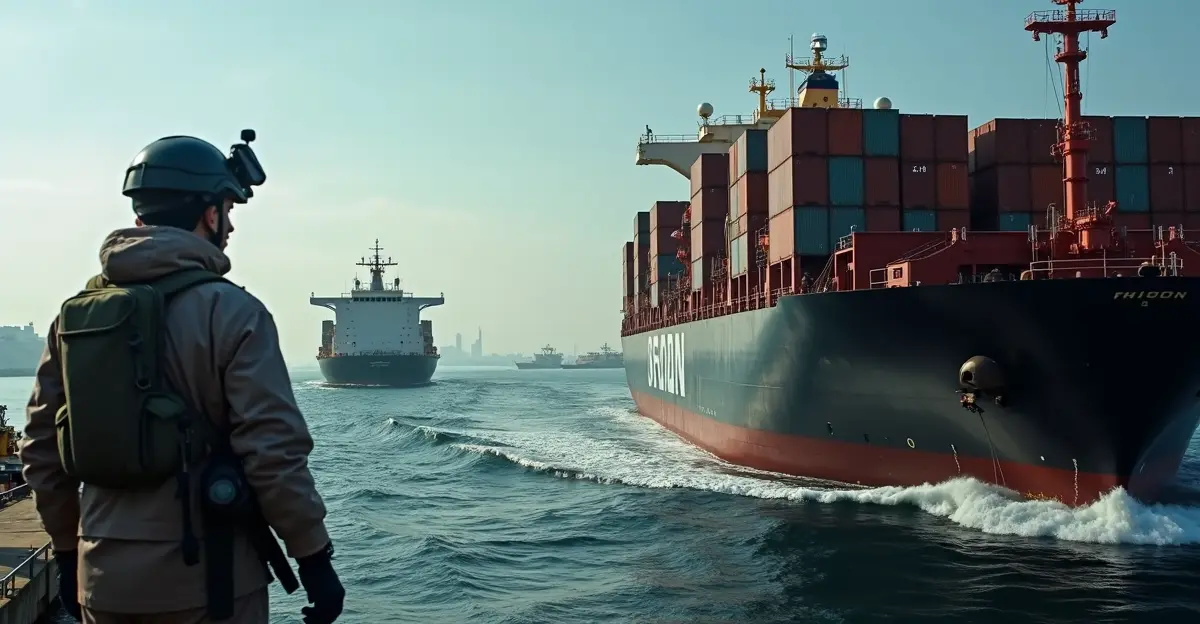
Maritime chokepoints—narrow waterways that force shipping into predictable routes—have become focal points of geopolitical competition. According to research from BIPSS, these critical passages are experiencing unprecedented pressure from multiple directions. The Strait of Hormuz alone handles about 21 million barrels of oil per day, while the Malacca Strait sees over 94,000 vessel transits annually.
The security landscape has evolved beyond traditional piracy to include sophisticated threats like GPS jamming, electronic warfare, drone swarms, and anti-ship ballistic missiles. 'The threat matrix has expanded dramatically in recent years. We're no longer just dealing with pirates in speedboats but with state-sponsored asymmetric warfare capabilities,' observed a security analyst specializing in maritime affairs.
Economic Implications and Global Trade Impacts
The increased security measures and insurance costs are having tangible effects on global trade. Some shipping companies are opting for longer alternative routes to avoid high-risk areas, adding days to transit times and increasing fuel costs. The circumnavigation of Africa instead of using the Suez Canal has become more common, despite adding approximately 3,500 nautical miles to voyages.
Meanwhile, the insurance industry is adapting with new products and coverage models. Ship Universe reports that insurers are developing hybrid war/cyber policies and dynamic voyage-based options to address the complex risk environment. However, stricter underwriting standards and compliance requirements are making it more challenging for some operators to obtain coverage.
Future Outlook and International Cooperation
As 2026 approaches, maritime security experts predict continued pressure on critical chokepoints. The convergence of geopolitical tensions, technological threats, and economic pressures suggests that coalition operations will likely expand rather than contract. 'What we're seeing is a fundamental reshaping of how global maritime security is managed. It's no longer about individual nations protecting their interests but about coordinated international responses to shared threats,' concluded a professor of maritime studies at a leading university.
The success of these coalition efforts will depend on sustained international cooperation, adequate funding, and adaptive strategies that can respond to rapidly evolving threats. With global trade increasingly dependent on secure maritime routes, the stakes have never been higher for maintaining open and safe passage through the world's most critical waterways.

Follow Discussion