


 Deutsch
 English
 Español
 Français
 Nederlands
 Português


 Share
Share




High-Stakes Diplomacy in Berlin
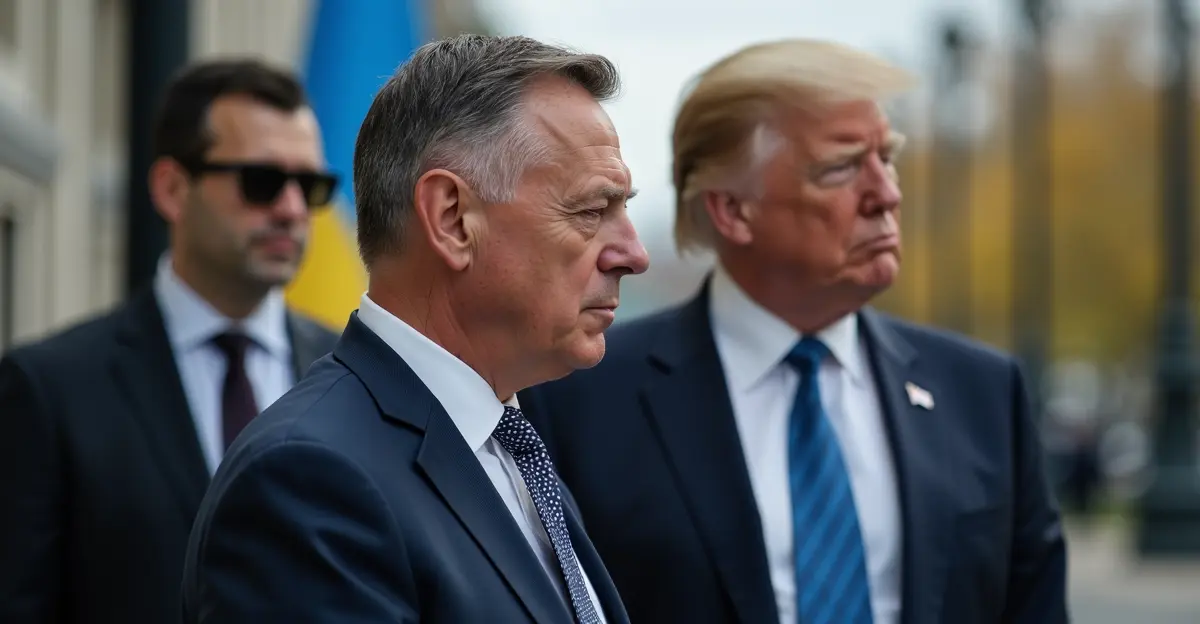
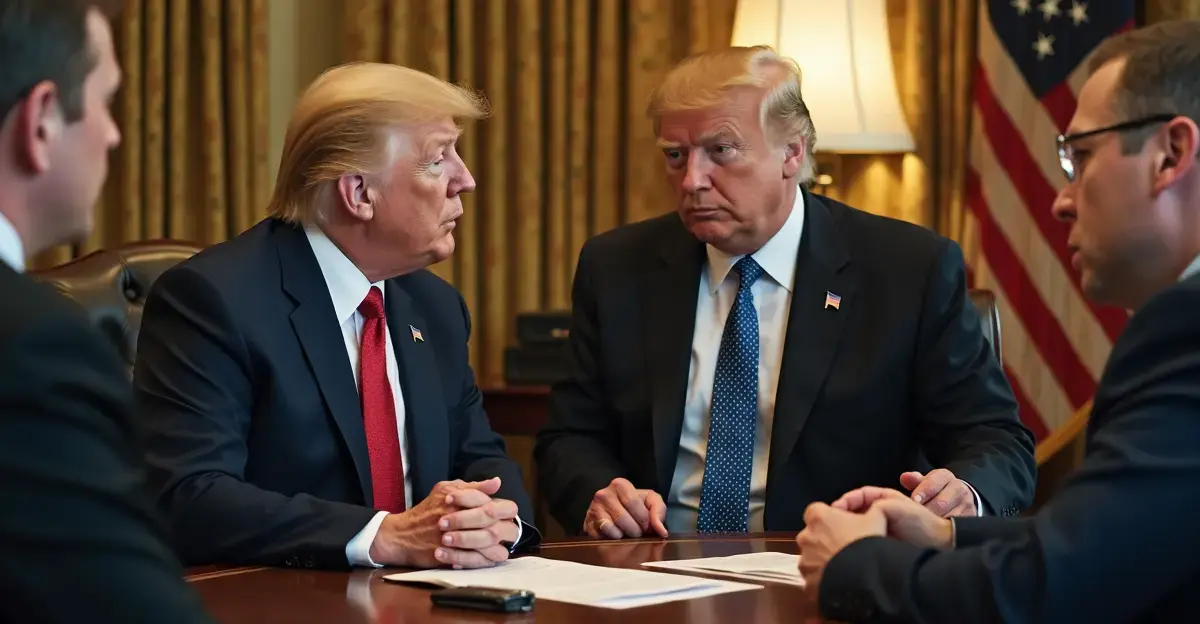
In a significant diplomatic move, the United States is sending two key envoys to Berlin this weekend for crucial peace talks aimed at ending the war in Ukraine. Special Envoy Steve Witkoff and former senior advisor Jared Kushner will meet with Ukrainian President Volodymyr Zelensky and European leaders to advance negotiations toward a potential settlement.
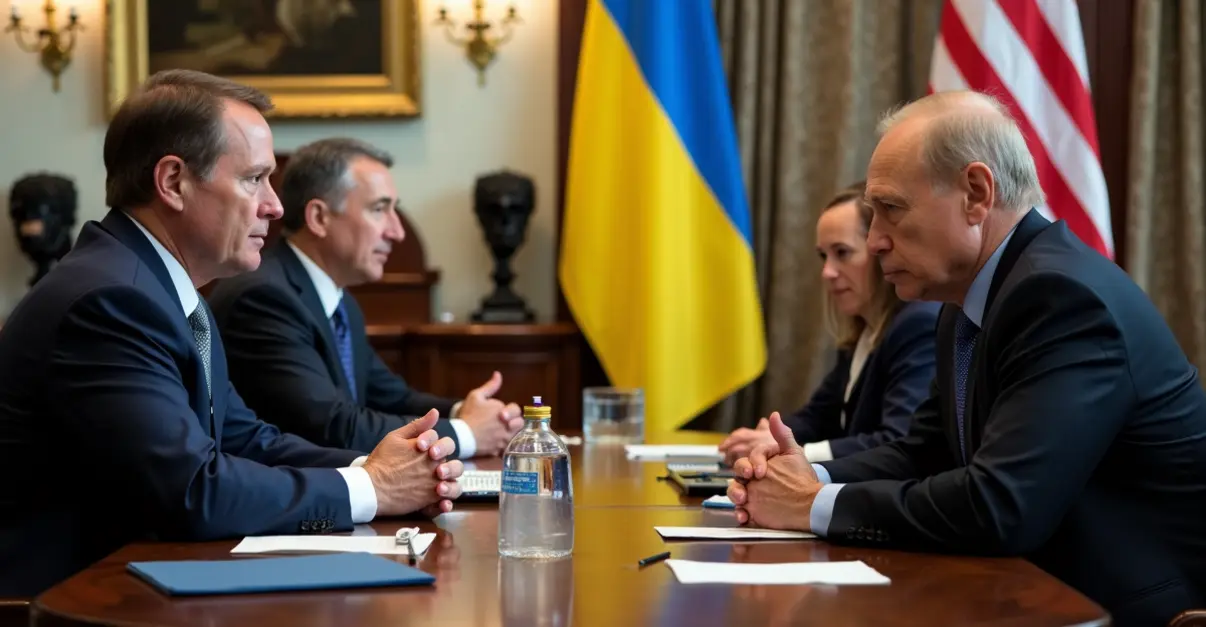
The talks, expected to begin on Sunday, represent what German officials describe as a 'critical moment' in the nearly four-year conflict. According to sources within the German government speaking to Deutsche Welle, the discussions aim to develop a unified position for a peace agreement with Russia.
Key Players and Their Roles
Steve Witkoff, the billionaire real estate developer turned diplomat, has been leading U.S. negotiations with both Ukraine and Russia on an American peace proposal. His appointment as special envoy in 2025 brought a business-oriented approach to diplomacy. 'Witkoff is smart, personable, and a talented negotiator with a common touch,' according to peers quoted in The Wall Street Journal.
Jared Kushner, former senior advisor to President Trump and architect of the Abraham Accords, brings Middle East peace negotiation experience to the table. His involvement signals the Trump administration's continued interest in brokering international agreements.
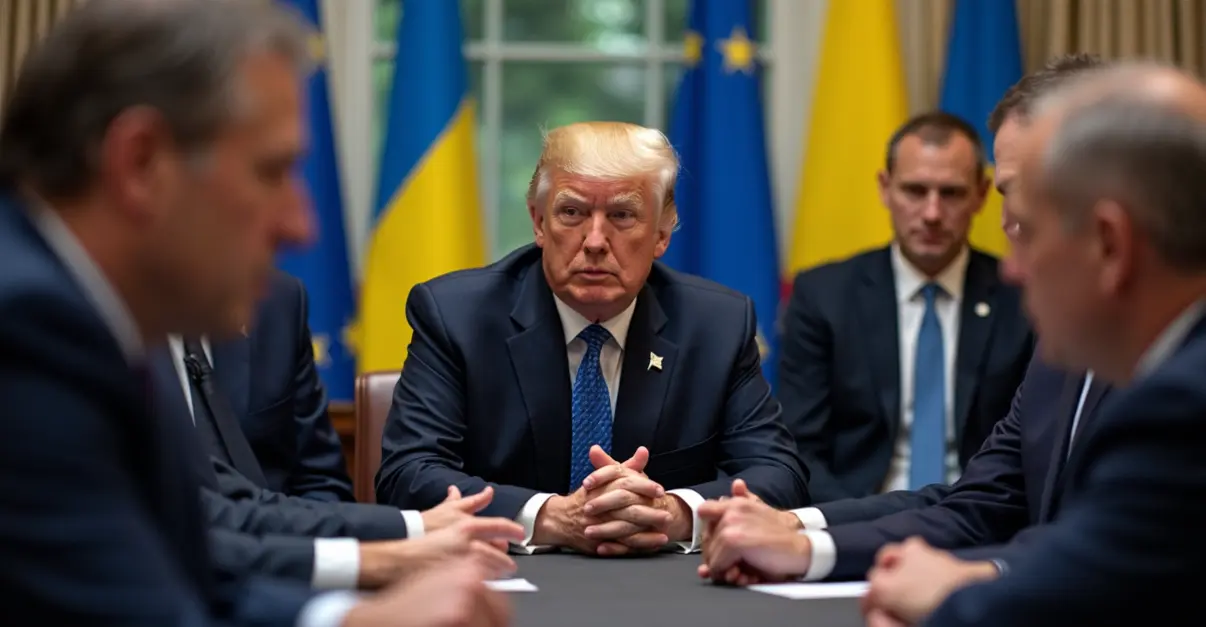
European leaders expected to participate include French President Emmanuel Macron, British Prime Minister Keir Starmer, and German Chancellor Friedrich Merz. Representatives from the European Union and NATO are also anticipated to join the discussions.
Background and Context
The Berlin meetings follow Zelensky's recent diplomatic tour across Europe, including talks in London with Starmer, Macron, and Merz last week. Those discussions focused on reviewing the latest U.S.-proposed peace plan drafted during Ukraine-U.S. talks in Florida.
According to The Irish Times, the EU has frozen €210 billion of Russian sovereign assets indefinitely ahead of these critical talks, paving the way for raising loans against the assets to support Ukraine's defense.
The Trump administration has reportedly pressured Kyiv to sign a peace deal by Christmas, though Ukrainian officials have emphasized their priority remains securing a settlement that protects Ukraine's independence and sovereignty. 'We stand with Ukraine,' Starmer affirmed during the London meetings, while Zelensky stressed the need for unity between Europe, Ukraine, and the United States.
Challenges and Stakes
The negotiations face significant challenges. Ukraine seeks security guarantees and rejects territorial concessions, while Russia wants control of Donbas and opposes NATO expansion. Meanwhile, the conflict continues on the ground, with Russia conducting retaliatory hypersonic missile strikes on Ukrainian industrial and energy facilities this week, damaging civilian infrastructure and leaving thousands without power.
German Chancellor Merz has expressed skepticism about details from Washington, while Macron has asserted Europe has 'a lot of cards in our hands' - a subtle reference to Trump's earlier criticism of Ukraine.
The White House said Thursday that Trump would only send a government official to the talks if he believed sufficient progress could be made. This conditional approach reflects the administration's careful calibration of diplomatic engagement.
Broader Implications
These talks occur against a backdrop of complex international dynamics. North Korean leader Kim Jong Un recently welcomed home soldiers who had been deployed to Russia for 120 days, confirming Pyongyang's military involvement in the conflict. Meanwhile, Ukraine and European officials have proposed an accelerated EU accession timeline of 2027 for Ukraine in a revised peace proposal.
The State Department confirmed that Witkoff and Kushner held a two-day meeting with Ukrainian officials including Secretary of National Security and Defense Council Rustem Umerov and Chief of General Staff General Andriy Hnatov on December 5 - their sixth meeting in two weeks focused on advancing a credible pathway toward peace.
As the diplomatic efforts intensify, all eyes will be on Berlin this weekend to see if this latest round of talks can produce meaningful progress toward ending Europe's most devastating conflict since World War II.

Follow Discussion