Nederlands
 English
 Deutsch
 Français
 Español
 Português





High-Stakes Diplomacy in Miami as Peace Talks Continue
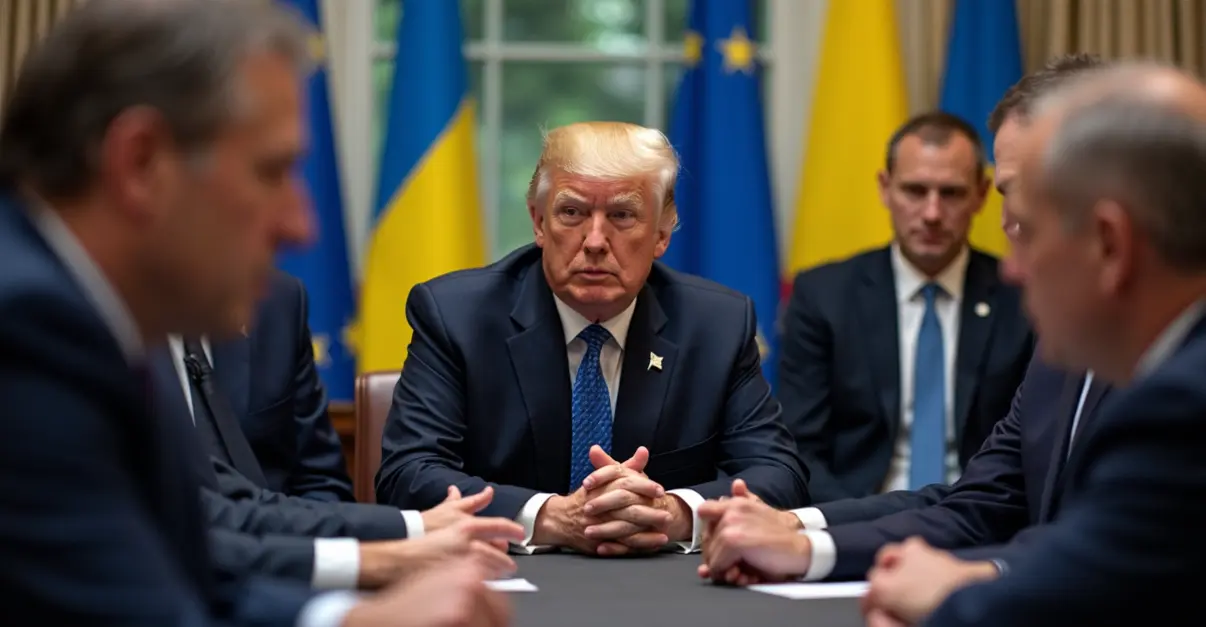
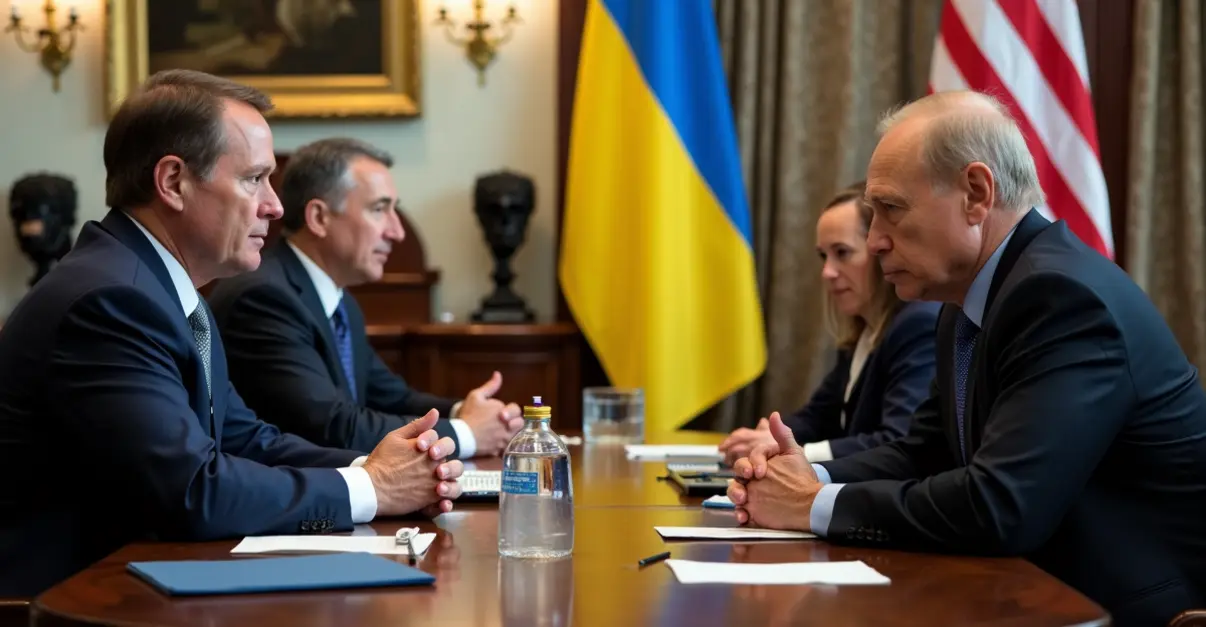
For the third consecutive day, U.S. Special Envoy Steve Witkoff and Ukrainian negotiators are locked in intensive discussions in Miami, Florida, attempting to chart a path toward ending Russia's war in Ukraine. The talks, which also involve Jared Kushner - former President Donald Trump's son-in-law - represent one of the most significant diplomatic efforts of 2025 to resolve the conflict that has ravaged Europe since 2022.
Both sides agree on one fundamental principle: 'An end to the war depends on Russia's willingness to make peace,' as Witkoff stated on social media platform X. This acknowledgment underscores the central challenge facing negotiators - while Ukraine and its Western allies can prepare frameworks for peace, ultimately, Moscow must choose to end its aggression.
The Miami Negotiations: What's at Stake
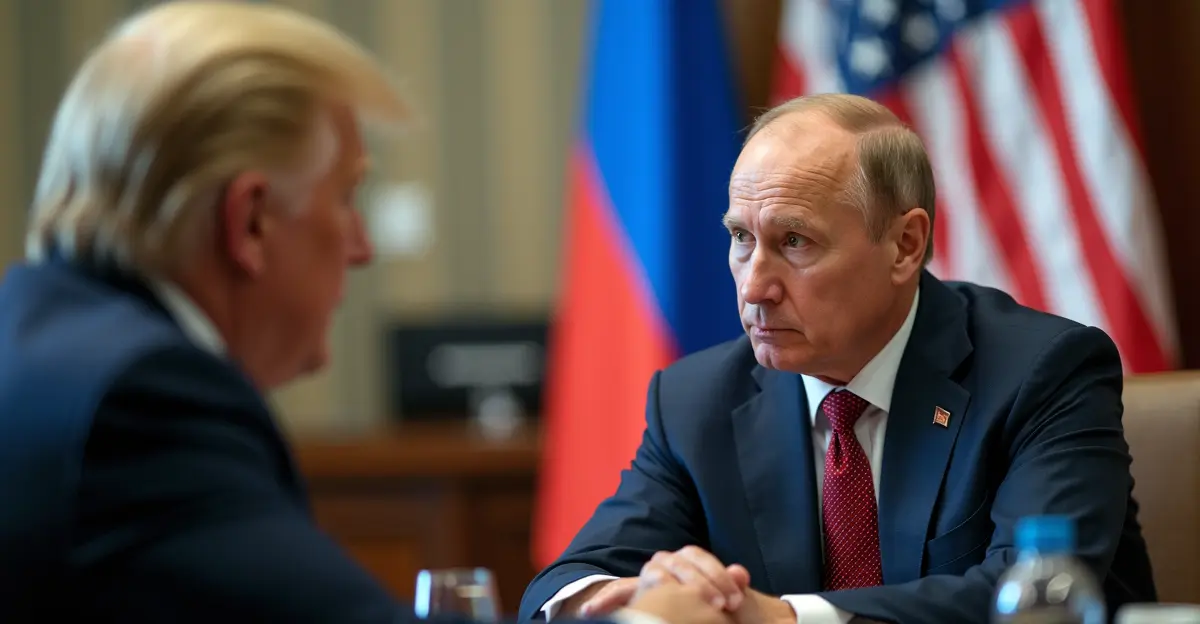
The Miami talks follow a critical five-hour meeting between Witkoff, Kushner, and Russian President Vladimir Putin in Moscow last Tuesday. That encounter, described by Russian officials as 'useful, constructive, and meaningful' but ultimately failing to produce a breakthrough, set the stage for the current U.S.-Ukraine discussions.
Ukrainian representatives at the Miami talks include Defense Minister Rustem Umerov and General Oleksandr Hnatov, Chief of Staff of the Ukrainian Armed Forces. Their presence signals the military dimension of these negotiations, particularly regarding security arrangements for a post-war Ukraine.
According to sources familiar with the discussions, both sides describe the talks as 'constructive' and have reached agreement on 'necessary deterrent measures to guarantee sustainable peace.' However, conspicuously absent from official statements is any mention of 'security guarantees' - a key Ukrainian demand that would provide formal commitments from Western nations to defend Ukraine against future Russian aggression.
Ukraine's Non-Negotiables: Sovereignty and Security
In a joint statement released Thursday, Umerov reiterated Ukraine's core priorities: 'independence, protection of sovereignty, security of citizens, and a prosperous democratic future.' These principles represent Ukraine's red lines in any peace agreement.
The discussions have reportedly made progress on developing a security framework for post-war Ukraine. However, details remain closely guarded. European leaders, particularly French President Emmanuel Macron, have emphasized the importance of security guarantees. During a recent visit to Beijing, Macron stated, 'Ukraine needs security guarantees to ensure that Russia does not attack again after the war ends. It is essential that the U.S., Europe, and Ukraine work together.'
This European perspective highlights growing concerns about being sidelined in negotiations between Washington and Moscow. A Russian diplomat recently complained that European allies of Kyiv 'constantly make demands unacceptable to Moscow' and are 'not helping Washington and Moscow find a solution to Ukrainian issues.'
The Putin Factor and Diplomatic Challenges
The Miami negotiations occur against a backdrop of continued Russian military pressure. Despite diplomatic efforts, Russian forces continue offensive operations along the front lines, attempting to seize more Ukrainian territory even as talks proceed.
Ukrainian President Volodymyr Zelensky and European leaders have repeatedly accused Putin of deliberately delaying and frustrating negotiations while pursuing military gains. This pattern has characterized previous diplomatic efforts, all of which have ultimately failed to produce a sustainable peace agreement.
The Trump administration's approach, relying heavily on personal diplomacy through figures like Witkoff and Kushner rather than traditional State Department channels, represents a significant departure from previous U.S. policy. Both men lack Senate confirmation for their roles, raising questions about the formal authority of their diplomatic efforts.
Looking Ahead: The Path to Peace
As talks continue in Miami, several critical questions remain unanswered. Will Russia accept any agreement that preserves Ukrainian sovereignty over territories currently occupied by Russian forces? What security arrangements will satisfy Ukraine's need for protection without provoking further Russian aggression? And how will European nations be integrated into any final agreement?
The stakes could not be higher. With hundreds of thousands dead, millions displaced, and European security fundamentally reshaped by nearly three years of war, the Miami talks represent perhaps the most promising diplomatic opening since the conflict began. Yet as Witkoff's statement makes clear, success ultimately depends not on what happens in Florida, but on decisions made in the Kremlin.
For more background on the conflict, see Wikipedia's overview of the Russo-Ukrainian War. Additional reporting on the Moscow meeting is available from ABC News and analysis of the peace process from USA Today.