


 Deutsch
 English
 Español
 Français
 Nederlands
 Português


 Share
Share




Major Leak Reveals Systematic Abuse of International Policing Tools
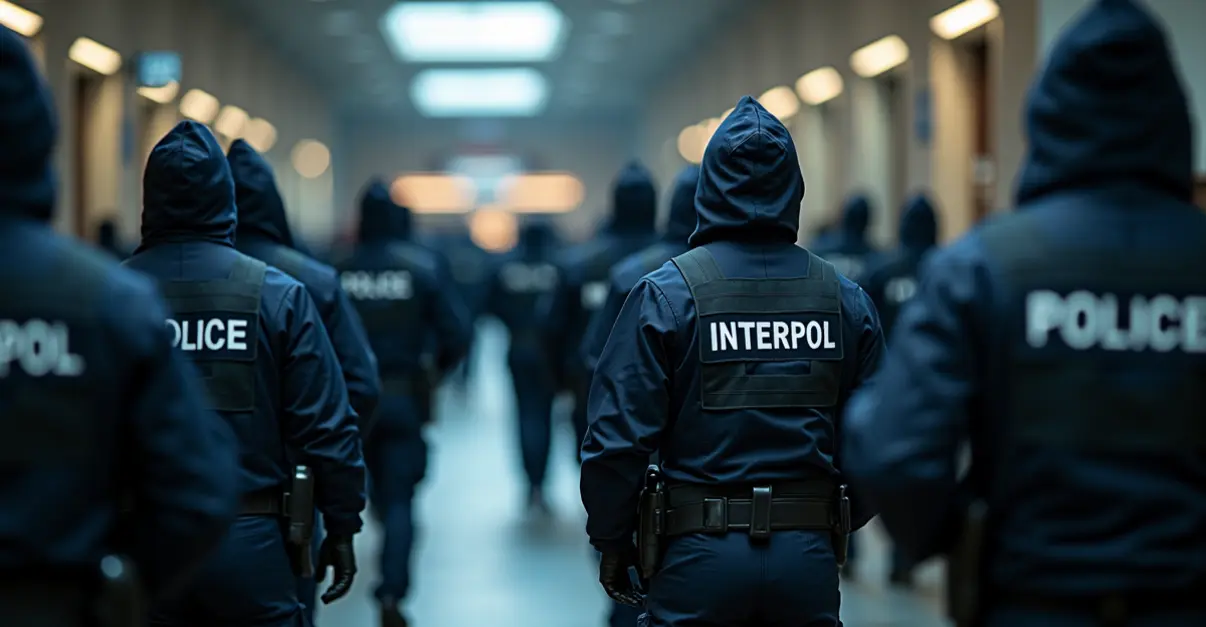
A major leak from an Interpol whistleblower has exposed how Russia has been systematically abusing the international policing agency's wanted list system to target political opponents, businessmen, and journalists living abroad. The documents, obtained by the BBC and French investigative platform Disclose, reveal a pattern of misuse that has continued despite Interpol's attempts to implement stricter controls.
The Red Notice System: Designed for Justice, Used for Persecution
At the center of the controversy is Interpol's Red Notice system - often described as the closest instrument to an international arrest warrant. According to Interpol's official guidelines, Red Notices are meant for serious crimes like murder, rape, or fraud, not for political persecution. However, the leaked documents show Russia has been using these notices to request the arrest of Kremlin critics, claiming they have committed crimes.
'This is a systematic abuse of an international system designed for law enforcement cooperation,' said a source familiar with the investigation who spoke on condition of anonymity.
Scale of the Problem: Russia Leads in Complaints
The data reveals staggering numbers: over the past decade, Russia has generated more complaints to Interpol's independent watchdog than any other country - three times more than Turkey, the next highest. At least 700 people targeted by Russian Red Notices have filed complaints with Interpol's oversight body, and in over 400 cases, the notices were overturned as politically motivated.
'The numbers speak for themselves,' noted Jago Russell, chief executive of Fair Trials, an NGO that has long campaigned for Interpol reform. 'When one country generates three times more complaints than the next highest, it's clear there's a systemic problem.'
Failed Safeguards and Continued Abuse
Following Russia's full-scale invasion of Ukraine in 2022, Interpol implemented additional checks to prevent abuse of its systems. However, according to the BBC's investigation, these measures failed to stop the misuse, with some stricter rules reportedly being dropped in 2025.
One particularly alarming revelation involves Russia's attempt to use Interpol to target International Criminal Court (ICC) judges and prosecutors. After the ICC issued arrest warrants for Russian President Vladimir Putin and others, Russia reportedly requested Red Notices for the court officials - requests that were ultimately rejected by Interpol.
Real-World Consequences for Individuals
The human impact of this abuse is devastating. Take the case of Russian businessman Igor Pestrikov, who fled Russia in 2022 only to discover he was on Interpol's wanted list. 'My bank accounts were frozen, I couldn't travel, and I lived in constant fear of arrest,' Pestrikov told investigators. His case was eventually deemed politically motivated and cancelled, but not before causing significant personal and financial damage.
According to Disclose's investigation, this pattern extends to journalists, activists, and opposition figures who have fled Russia, creating what one expert called 'a global network of fear' for Russian dissidents abroad.
Interpol's Response and Ongoing Challenges
Interpol has stated that some allegations stem from misconceptions about how the organization works. The agency emphasizes that all Red Notice requests undergo compliance review by a specialized task force. However, critics argue the system remains vulnerable to abuse by authoritarian regimes.
The revelations come at a sensitive time for international law enforcement cooperation and raise fundamental questions about how to balance legitimate police work with protection against political persecution. As the international community grapples with these issues, hundreds of individuals continue to live under the shadow of potentially abusive Interpol notices.



Follow Discussion