Nederlands
 English
Gaza's $70 billion reconstruction faces major hurdles as donor pledges clash with massive logistical challenges. With 84% of buildings destroyed, clearing 61 million tons of rubble and overcoming border bottlenecks will take years, while competing visions for Gaza's future complicate recovery efforts.
The $70 Billion Rebuilding Challenge
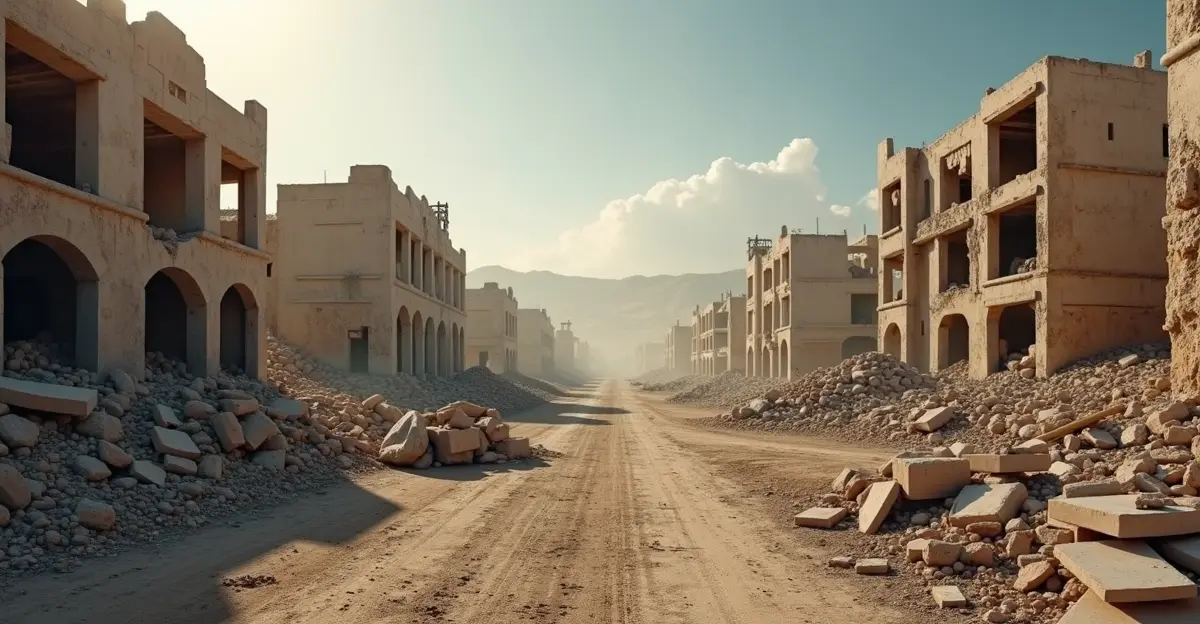
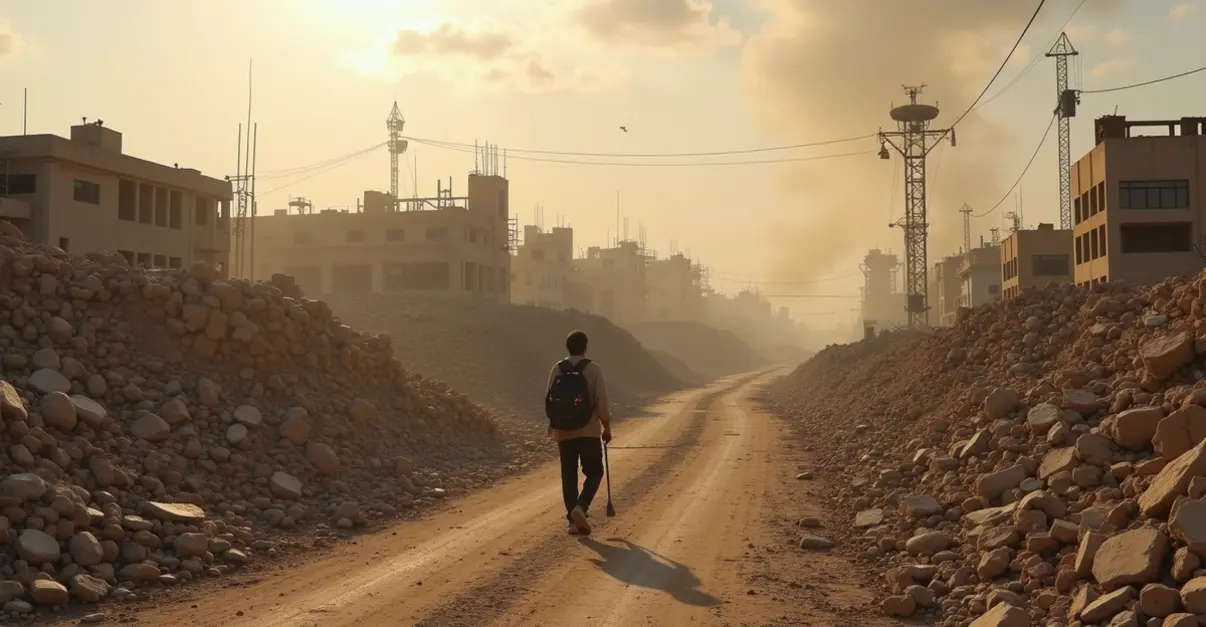
As the dust settles over Gaza following the devastating two-year conflict, the international community faces a monumental task: rebuilding what has been described as one of the most destroyed urban landscapes in modern history. The United Nations, World Bank, and European Union have collectively estimated the reconstruction cost at a staggering $70 billion - up from over $50 billion estimated earlier this year. This figure represents the enormous scale of destruction, with 84% of buildings across Gaza damaged or destroyed, reaching 92% in Gaza City alone.
Donor Promises vs. Reality
Multiple countries have expressed willingness to contribute to Gaza's reconstruction, according to UN announcements in October 2025. However, history offers a sobering perspective. 'We've seen this pattern before - pledges are made, but delivery falls short,' says humanitarian analyst Sarah Johnson. 'After the 2014 conflict, $5.4 billion was pledged but less than half was actually delivered.' The current situation appears similarly challenging, with UN officials noting that despite promises, far too little aid is getting into Gaza.
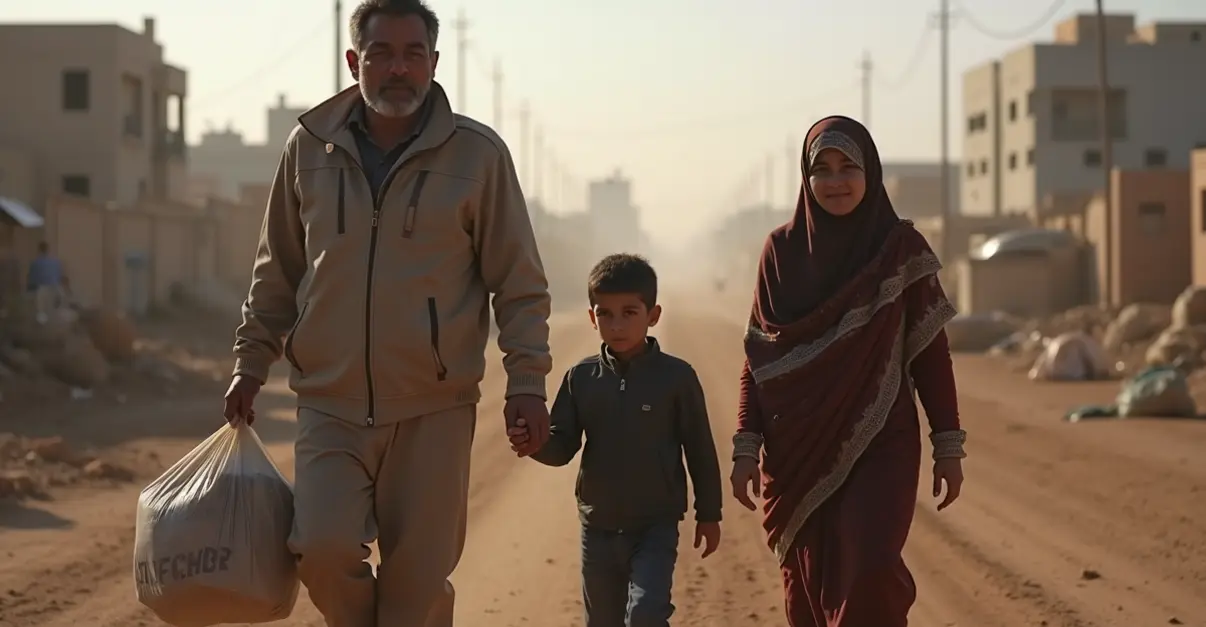
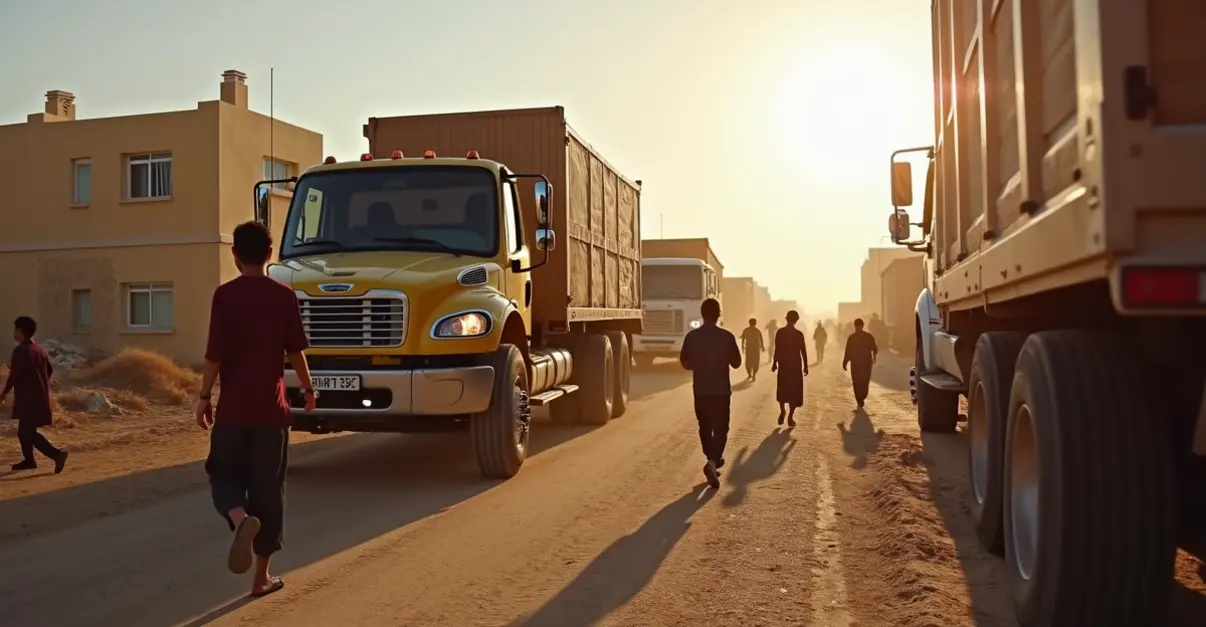
The UN Development Programme estimates that $20 billion is needed in just the next three years to kickstart recovery efforts. Yet, as of late 2025, aid convoys are struggling to reach famine-hit areas due to war-damaged roads and closed routes. Only 560 metric tons of food have been entering Gaza daily since the ceasefire - still far below the scale of need for the territory's 2.3 million residents.
Logistical Bottlenecks and Infrastructure Challenges
The physical obstacles to reconstruction are staggering. According to logistics expert John Manners Bell, Gaza faces an $80 billion logistics challenge. With 80% of buildings damaged or destroyed, the immediate priority involves clearing mountains of rubble - estimated at 61 million tons mixed with unexploded bombs.
'The debris clearance alone could take 10-14 years,' explains construction engineer Ahmed Hassan. 'We need specialized machinery and fuel imports, but border crossings create massive bottlenecks.' The four main crossings - Rafah, Kerem Shalom, Erez, and Gate 96 - are inadequate for the volume of construction materials needed.
Long-term plans include developing a seaport (estimated at $200-250 million to $7-10 billion) and reopening an airport, potentially staffed by UN personnel to address Israeli security concerns. However, these projects face significant political and practical hurdles.
Competing Visions and Local Skepticism
Multiple competing visions have emerged for Gaza's future. The Palestinian-developed "Phoenix of Gaza" plan was created by 700 experts without Hamas involvement. Meanwhile, leaked proposals include Donald Trump's controversial "Gaza Riviera" featuring AI-generated visions of luxury development, and the "Great" plan envisioning AI-powered smart cities under US trusteeship.
Local Gazans express deep skepticism about foreign-imposed plans. Abu Iyad Hamdouna, whose home was destroyed, told the BBC: 'Reconstruction may take 10 years or more. We want to rebuild our homeland our way, not according to someone else's vision.'
The Humanitarian Crisis Continues
Despite the ceasefire that took effect on October 10, 2025, humanitarian needs remain enormous. According to UN OCHA reports, over 300,000 Palestinians have returned north to Gaza City since the ceasefire. Food security partners are preparing 954,000 daily meals across 177 kitchens, with a 47% increase in southern meal production. Nine bakeries have resumed bread production, making over 100,000 2kg bundles daily.
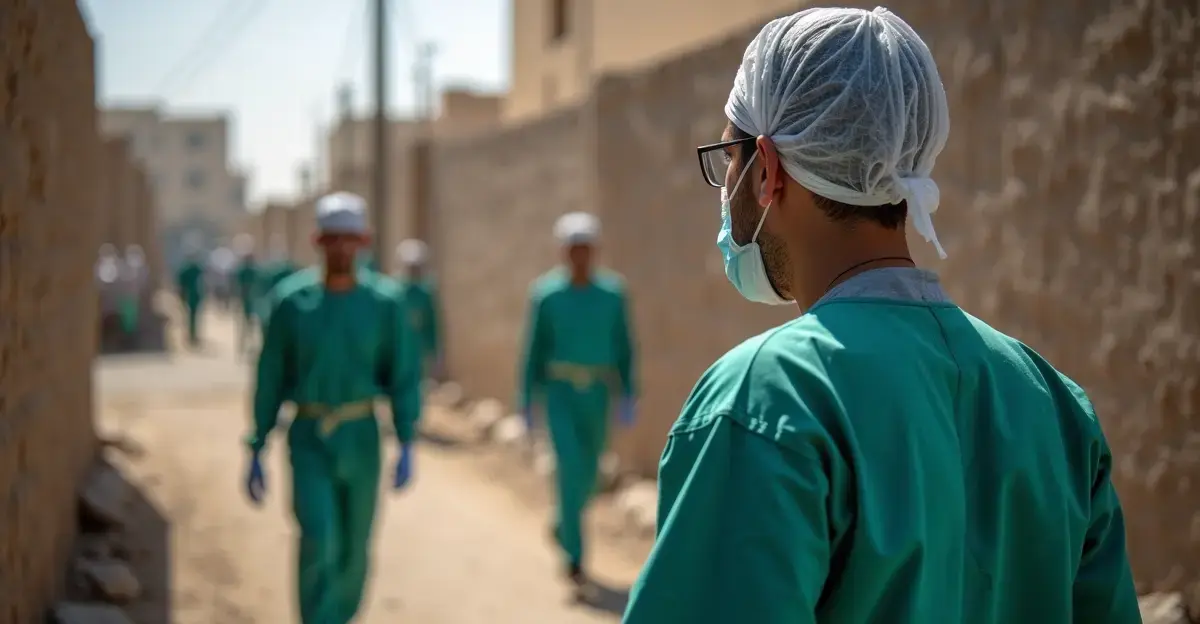
However, malnutrition remains a critical concern. Nutrition programs have restarted with 262 metric tons of supplements for 62,000 children, though malnutrition screening declined to 95,000 children in September with 12% identified as acutely malnourished. Health services reach 400,000 people through 195 functional health points, with only 14 of 36 hospitals partially operational.
Timeline and Realistic Expectations
Experts warn that reconstruction will be a decade-long process at minimum. The immediate priorities include debris clearance, making homes safe by removing rubble potentially hiding unexploded ordnance or missing persons, and providing basic shelter as winter approaches.
'Conditions for reconstruction are not yet in place,' emphasizes UN Development Program official Maria Rodriguez. 'We need proper groundwork before large-scale rebuilding can begin.' This includes hostage releases, security arrangements, and establishing functional governance structures.
The International Monetary Fund and World Bank are examining the complex challenges, focusing on funding mechanisms, economic stabilization, and long-term sustainability. Their October 2025 meeting indicates ongoing international coordination, but the gap between pledges and practical implementation remains vast.
As winter approaches in late 2025, the most urgent needs are shelter, food, and medical care. The reconstruction of homes, schools, hospitals, and infrastructure will follow, but the timeline depends on sustained funding, political stability, and overcoming immense logistical hurdles. The people of Gaza face a long road to recovery, with their future hanging in the balance between international promises and on-the-ground realities.