Nederlands
 English
 Deutsch
 Français
 Español
 Português





Sensor Networks Transform Last-Mile Delivery, Cutting Waste by 30%
In a breakthrough for sustainable food distribution, major retailers are reporting dramatic reductions in food waste thanks to innovative cold chain technology trials. Pilot programs deploying Internet of Things (IoT) sensor networks and artificial intelligence (AI) systems have shown waste reductions of up to 30% in the critical 'last mile' of delivery from distribution centers to stores and consumers.
The Technology Behind the Transformation
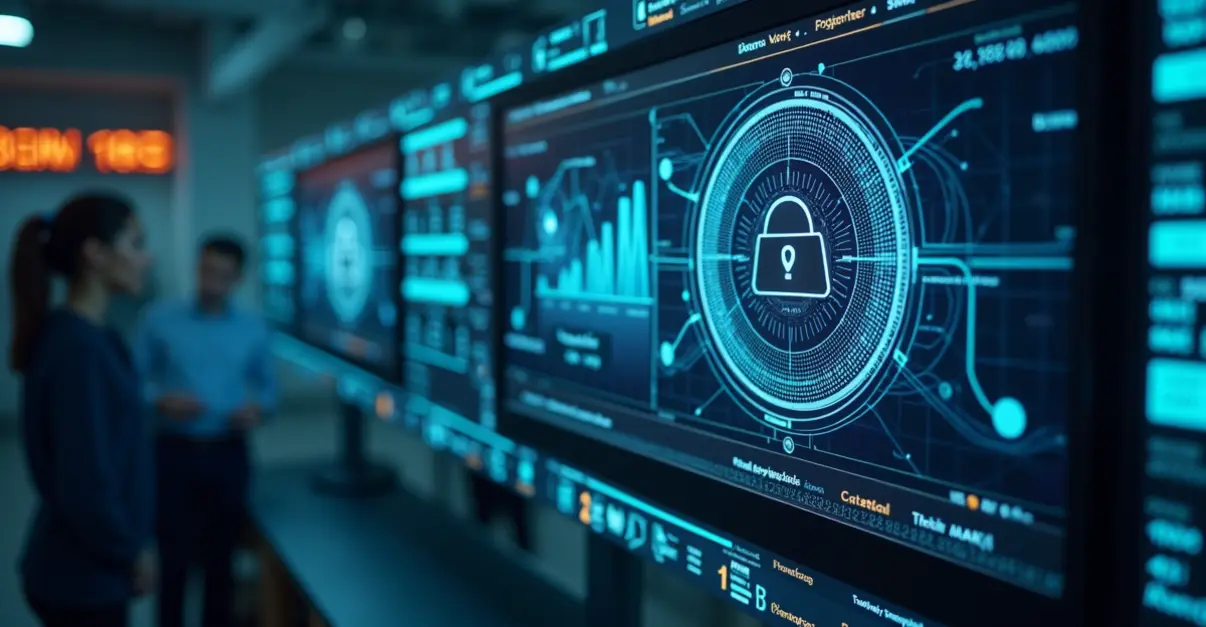
The heart of this revolution lies in sophisticated sensor networks that monitor temperature, humidity, and location in real-time throughout the cold chain. These systems, combined with AI predictive analytics, can anticipate potential breakdowns before they occur and optimize routing to minimize delays. 'We're seeing spoilage rates drop by 25% simply through better monitoring and predictive maintenance,' says Dr. Elena Rodriguez, a cold chain technology researcher at the University of California, Davis. 'The data these systems generate is transforming how we manage perishable goods.'
According to research published in ScienceDirect, modernizing cold chain infrastructure could prevent 50% of cold-chain-related food losses. This is particularly crucial in developing regions where 25-35% of total food loss occurs due to inadequate cold chain systems.
Retail Giants Lead the Charge
Walmart's collaboration with Wiliot represents one of the most ambitious deployments to date. The retail giant is integrating millions of ambient IoT sensors across its supply chain, with current deployment across 500 locations and plans to expand nationally in 2026 to cover 4,600 stores and over 40 distribution centers. 'This technology helps solve one of retail's hardest problems: knowing exactly what inventory we own and where it's located at any given moment,' explains John Smith, Walmart's SVP of Transformation and Innovation.
The Wiliot sensors, called Pixels, provide real-time insights into stock levels and locations while improving cold chain compliance and automating alerts. The system feeds inventory data into Walmart's AI systems to optimize supply chain efficiency and inventory accuracy, with a goal of tracking 90 million pallets by the end of 2026.
Last-Mile Innovations Show Greatest Impact
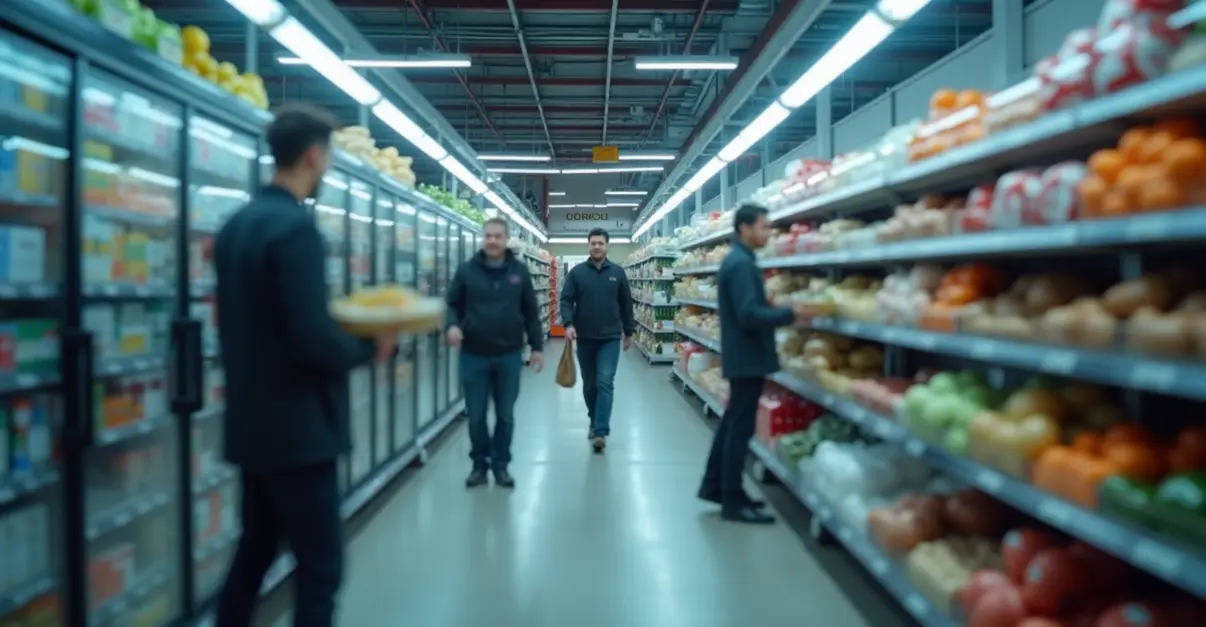
The 'last mile' - the final delivery stage from warehouses to consumers - has traditionally been the most vulnerable point in the cold chain. New technologies are specifically targeting this bottleneck. A report from Frozenet reveals that optimizing last-mile food delivery operations presents an $80 billion market opportunity by reducing food waste.
Key strategies include AI-powered route optimization, IoT sensors for real-time monitoring, blockchain for transparent tracking, and smart lockers to reduce delivery attempts. The Food Cold Chain Last Mile Delivery Market is projected to grow from USD 10.24 billion in 2025 to USD 18.98 billion by 2032, according to 360iResearch.
Sustainability and Economic Benefits Align
Beyond waste reduction, these technologies offer significant environmental benefits. Portable refrigeration systems like DENSO's D-mobico® units eliminate dry ice use, while solar-powered warehouses and energy-efficient refrigeration reduce carbon footprints. 'We're not just saving food; we're reducing energy consumption and emissions throughout the supply chain,' notes sustainability consultant Maria Chen.
The economic case is equally compelling. With the global cold chain market projected to reach $647.47 billion by 2028, according to Informed Clearly, investments in smart cold chain technology are delivering substantial returns through reduced losses and improved efficiency.
Challenges and Future Directions
Despite promising results, challenges remain. Sensor drift in harsh conditions, data fusion difficulties, and blockchain's cost and privacy concerns present ongoing hurdles. However, researchers are developing more robust multi-modal sensing systems and effective collaborative frameworks for green transitions.
Future directions include digital twin platforms with standardized interfaces to enhance resilience, minimize product loss, and optimize energy use. As these technologies mature and scale, they promise to transform not just retail but global food security, making fresh produce more accessible while dramatically reducing environmental impact.