Nederlands
 English
 Deutsch
 Français
 Español
 Português





Heat Stress Crisis: Global Crop Yields Under Threat
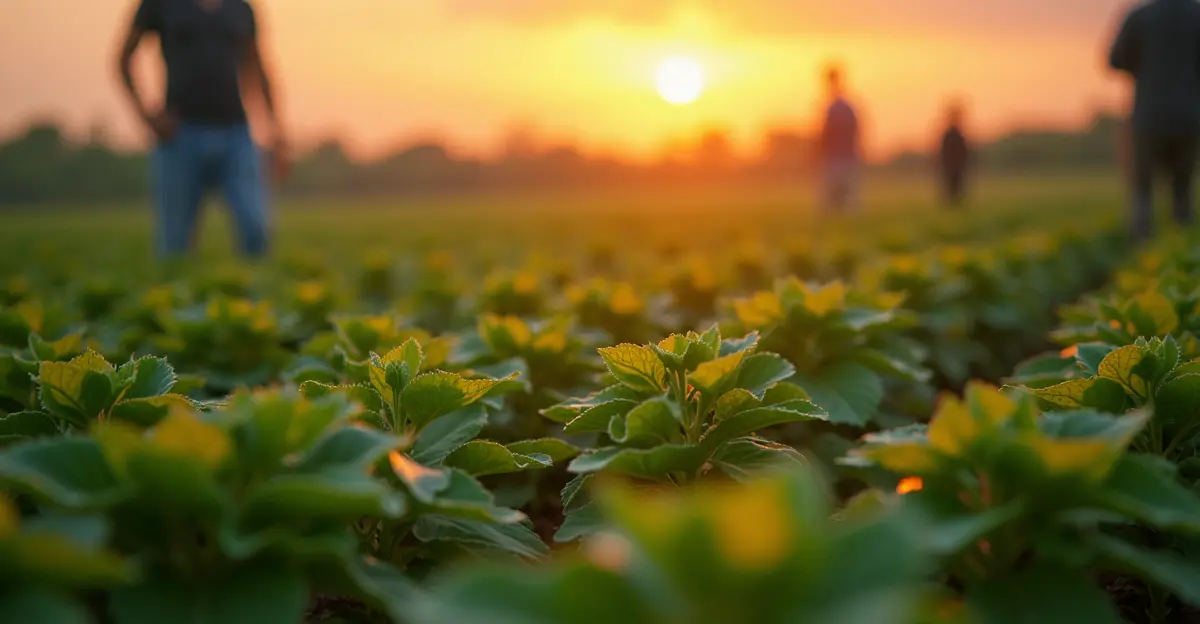
A stark warning has emerged from agricultural scientists and climate researchers: extreme heat stress is rapidly becoming one of the most significant threats to global food production. Recent studies from 2025 and 2026 reveal alarming trends that could reshape agricultural markets, force policy changes, and impact communities worldwide.
The Science Behind the Warning
According to a comprehensive FAO-WMO report, extreme heat poses severe risks to global agrifood systems, threatening the livelihoods of 1.23 billion people who depend on agriculture. The research shows that agricultural workers face 35 times higher mortality risk from heat exposure compared to other sectors, with 470 billion labor hours lost globally in 2021 due to extreme heat alone.
Stanford research published in May 2025 reveals that rising temperatures and dry air are significantly reducing global crop yields. 'The combined effects of increasing heat and decreasing humidity are creating unprecedented challenges for major food crops worldwide,' explains Dr. Maria Chen, lead author of the Stanford study. 'We're seeing physiological stress in plants that goes beyond what traditional agriculture has ever faced.'
Impact on Major Crops and Global Markets
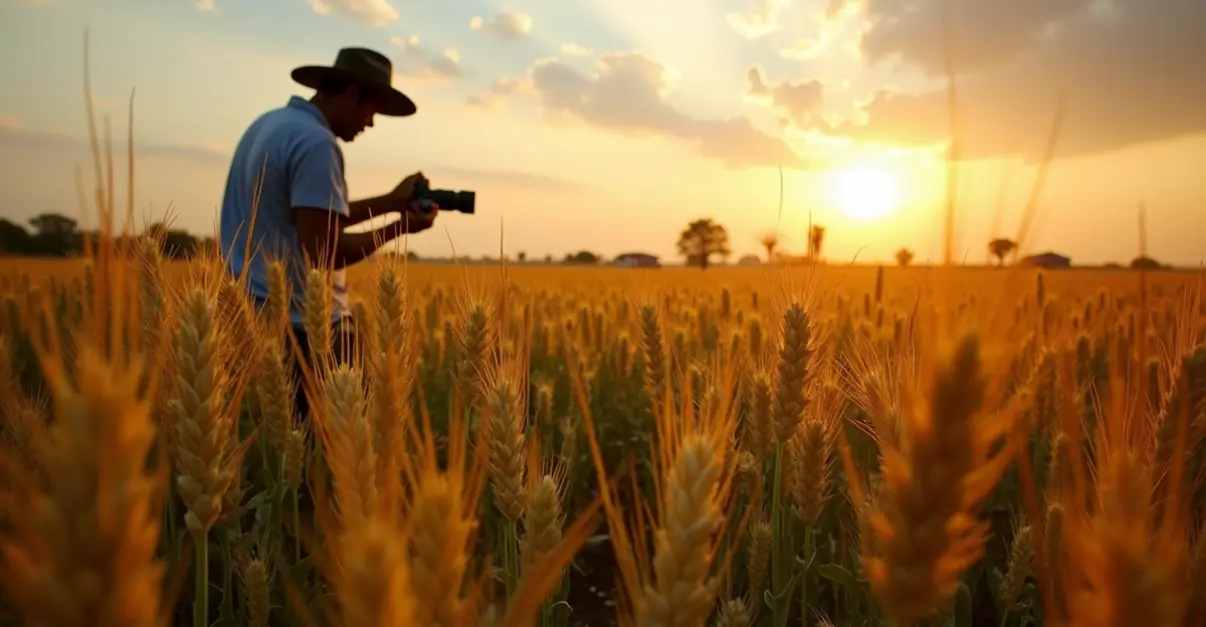
The data is particularly concerning for staple crops. The FAO-WMO report indicates that for every 1°C of additional warming, yields of maize and wheat will decline by 4-10%. Single heatwaves can reduce agricultural productivity by up to 50%, creating volatility in global food markets.
'What we're witnessing isn't just gradual change—it's a series of compounding extremes,' says agricultural economist Dr. James Wilson. 'When heat stress combines with drought or moisture excess within a single growing season, we see yield losses reaching 30% in regions like India, Ethiopia, and major agricultural zones in the US and Europe.'
This research, detailed in Nature Reviews Earth & Environment, highlights how these compound extremes have caused significant damage since around 2000, with projections showing increased frequency and amplitude in coming decades.
Policy Implications and Community Impacts
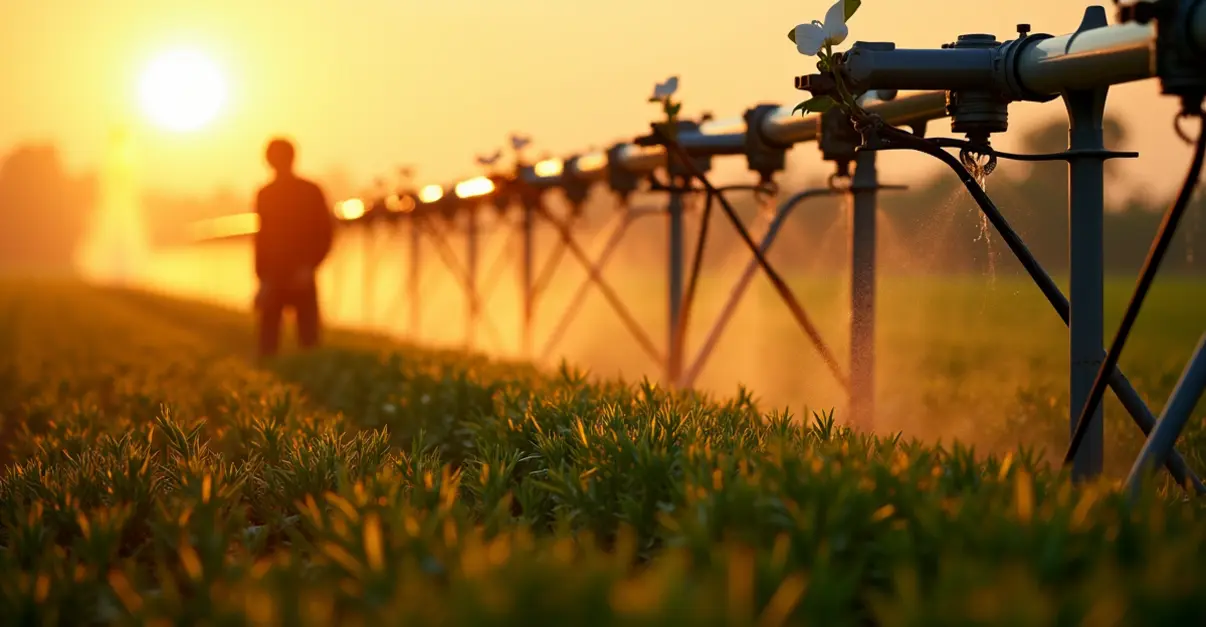
The heat stress warning has immediate implications for agricultural policy worldwide. Governments are being urged to implement science-informed solutions, including heat-tolerant crop varieties, sustainable irrigation systems, and enhanced early warning systems.
A 2026 review article in ScienceDirect examines how climate-smart agriculture (CSA) can mitigate these impacts. CSA integrates three key pillars: productivity enhancement, adaptation, and mitigation through practices like stress-tolerant crop varieties, precision water management, conservation agriculture, and agroforestry.
'The challenge is that adaptations effective for single climate stresses could be maladaptive under combined stresses,' notes climate adaptation specialist Dr. Sarah Johnson. 'We need comprehensive agricultural strategies for multi-stress resilience that address the interconnected nature of these threats.'
Labor and Economic Consequences
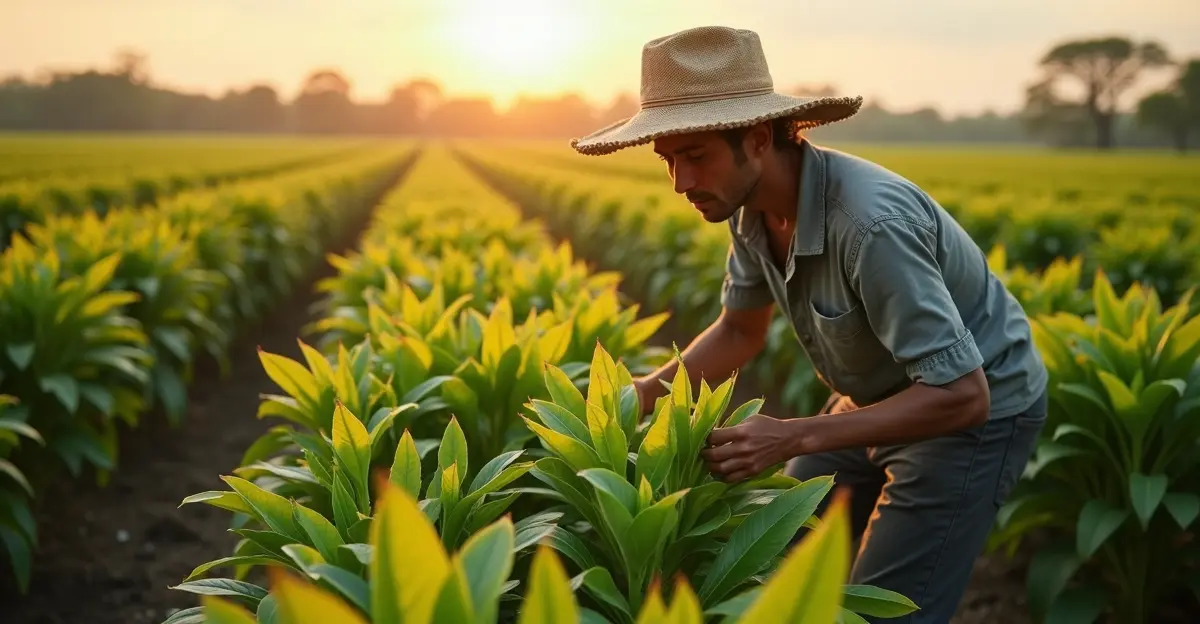
The human cost of heat stress extends beyond crop physiology. CSIRO research from Australia reveals that under a +2°C warming scenario, horticulture would require 4% more labor on average to maintain current output levels, with regional variations reaching up to 9% in hotter areas. Productivity drops 2-3% for every degree above 20°C.
'Heat stress affects worker health, decision-making, and retention,' explains labor researcher Dr. Robert Kim. 'We're facing additional challenges including labor shortages, aging workforce, and competition for skills—all exacerbated by climate conditions.'
Looking Forward: Adaptation and Resilience
The agricultural sector faces a critical juncture. While automation offers partial solutions, delicate crop harvesting still requires human judgment and dexterity. The report emphasizes that mainstreaming climate-smart agriculture into national agricultural policies is crucial for sustainable food production under changing climate conditions.
'We need to shift from reactive crisis management to proactive risk reduction,' concludes Dr. Chen. 'This means investing in heat-tolerant crops, improving irrigation efficiency, and developing early warning systems that give farmers the information they need to adapt in real-time.'
The global community must address these challenges collectively, as food security becomes increasingly vulnerable to climate extremes. With proper policy support, technological innovation, and community engagement, agriculture can build resilience against the growing threat of heat stress.