


 Deutsch
 English
 Español
 Français
 Nederlands
 Português


 Share
Share




Venice Sea Level Rise: 4 Adaptation Solutions Explained
Venice, the iconic Italian city built on 118 islands in a lagoon, faces an existential threat from rising sea levels that could submerge the UNESCO World Heritage site within centuries. A groundbreaking study published in Scientific Reports reveals that while Venice can survive sea level rise, each adaptation strategy comes with significant trade-offs and costs ranging from €500 million to €100 billion. The MOSE flood barrier system currently protects the city, but researchers warn it will reach hard limits within this century as climate change accelerates.
What is the Current Situation in Venice?
Venice has experienced increasing flooding over the past 150 years, with 18 of 28 major flooding events occurring in the last century alone. The city's average sea level has risen sharply from around 24 cm in prior years to 68 cm in 2026, creating unprecedented challenges for a city where over 50% of the area lies just 0.80-1.20 meters above mean sea level. The MOSE (Modulo Sperimentale Elettromeccanico) system, a €6.5 billion mobile barrier project completed in 2020, has been activated an unprecedented 30 times in just 23 days during January-February 2026, costing approximately €6 million during that period alone.
'We can do a lot, but there are also limits to certain options,' says researcher Valeria Di Fant from Deltares, co-author of the study. 'The MOSE system was only designed for lower sea level rise, and the sea level will continue to rise.'
Four Adaptation Pathways for Venice's Future
1. Current Open Lagoon Strategy (MOSE System)
The existing approach uses movable barriers that can be raised to temporarily seal off the Venetian Lagoon from the Adriatic Sea during high tides. While effective now, this strategy becomes ineffective when sea levels rise 1.25 meters. The system has been activated 97 times since 2020, with costs reaching approximately €20 million. Experts warn that by century's end, the barriers may need to be raised 260 days annually, transforming the lagoon ecosystem and potentially costing €200,000 per activation.
2. Ring Dikes Around Key Islands
Building protective dikes directly around Venice's historic center could protect against up to 6 meters of sea level rise at a cost of €0.5-4.5 billion. This approach would preserve the city's appearance but disrupt natural lagoon connections. Similar to the Dutch coastal protection systems, this strategy isolates the city while maintaining some lagoon openness. However, it would fundamentally alter the delicate transition from fresh to salt water that sustains the lagoon's unique ecosystem.
3. Closed Lagoon with Permanent Dams
A 'super levee' permanently closing the lagoon could protect against up to 10 meters of sea level rise but would cost over €30 billion. This radical approach would end Venice's function as a port city and dramatically transform the lagoon environment. 'You can't really imagine Venice without water,' explains Di Fant. 'If the lagoon is closed, boats cannot dock. In the lagoon there is a special ecosystem with plants that depend on the transition from fresh to salt water.' This option resembles the Afsluitdijk in the Netherlands, which transformed the Zuiderzee into the freshwater IJsselmeer.
4. Complete Retreat and Relocation
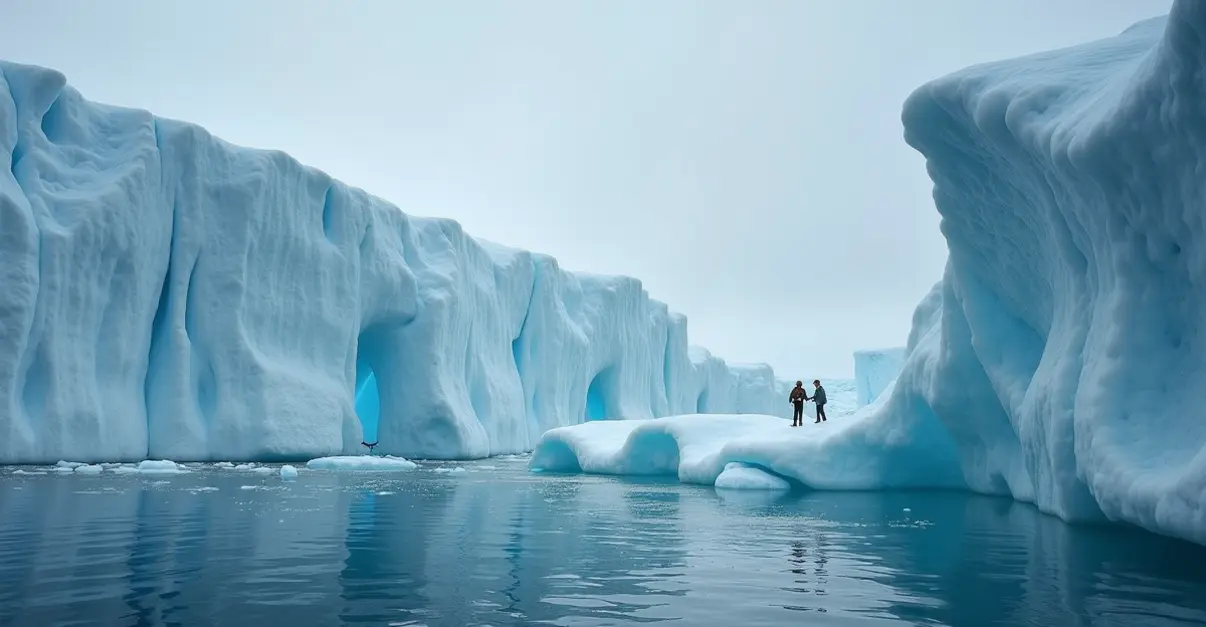
The most radical option involves moving important monuments and residents inland at a cost up to €100 billion. While technically feasible, this approach would be culturally devastating and economically prohibitive. Researchers suggest this might become unavoidable in the 22nd century under extreme sea-level rise scenarios, particularly if Antarctic ice-sheet collapse accelerates. This strategy represents the ultimate adaptation when all other options become unviable.
Cost Comparison Table: Venice Adaptation Options
| Strategy | Cost Range | Sea Level Protection | Timeframe | Key Trade-offs |
|---|---|---|---|---|
| Current MOSE System | €6 billion (existing) | Up to 1.25m | Effective now | Frequent closures needed, ecosystem impacts |
| Ring Dikes | €0.5-4.5 billion | Up to 6m | 30-50 year planning | Disrupted lagoon connections |
| Closed Lagoon | €30+ billion | Up to 10m | 50+ year implementation | Ends port function, ecosystem transformation |
| Relocation | €100 billion | Unlimited | 22nd century possibility | Cultural loss, massive displacement |
Urgent Need for Climate Adaptation Planning
Marjolijn Haasnoot, researcher at Deltares and professor of climate adaptation at Utrecht University, emphasizes the critical timing: 'Even in the worst case, if the consequences of climate change are disappointing, the MOSE system could certainly last for decades. And in a less black scenario even much longer. That "buying time" can be used to think about an approach for the further future.'
The study highlights that under high-emission scenarios, current protection becomes inadequate before the century's end, and large-scale engineering projects require 50-year planning timelines. The researchers emphasize that rapid climate mitigation could still avoid the most disruptive long-term outcomes for this UNESCO World Heritage site.
Frequently Asked Questions
How often is the MOSE system activated?
The MOSE flood barrier has been activated 97 times since 2020, with 30 activations occurring in just 23 days during January-February 2026. Each activation costs approximately €200,000.
What is the timeline for Venice's adaptation decisions?
Researchers warn that decisions about long-term adaptation must begin now, as large-scale projects like ring dikes or closed lagoons require 30-50 years for planning and implementation.
How much has sea level risen in Venice?
Venice's average sea level has risen from around 24 cm in prior years to 68 cm in 2026, with the difference between high and low tide increasing from 23cm twenty years ago to 45cm today.
What are the environmental impacts of adaptation options?
Each strategy involves trade-offs: the current system affects lagoon ecosystems through reduced water exchange, ring dikes disrupt natural connections, closed lagoons transform entire ecosystems, and relocation causes cultural loss.
Can Venice be saved permanently?
Yes, but at significant cost and with major transformations. The study identifies adaptation pathways but emphasizes that rapid global emissions reductions are essential to preserve Venice's current character.

Follow Discussion