
 Deutsch
 English
 Español
 Français
 Nederlands
 Português

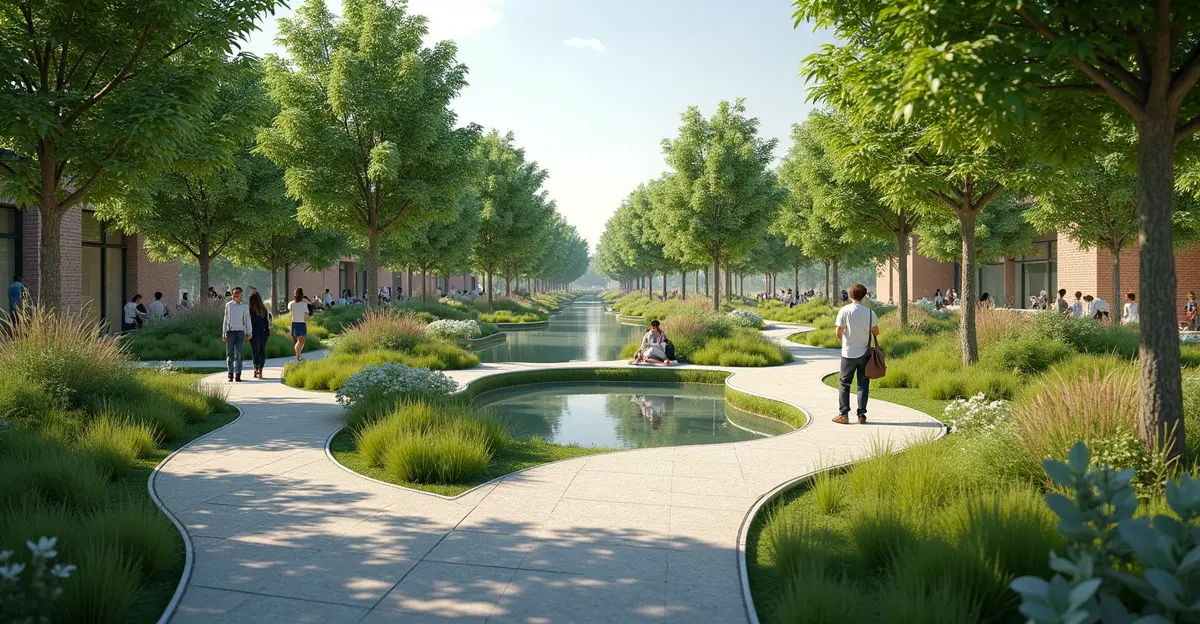





Groundbreaking Urban Park Launches with Focus on Biodiversity and Community Health
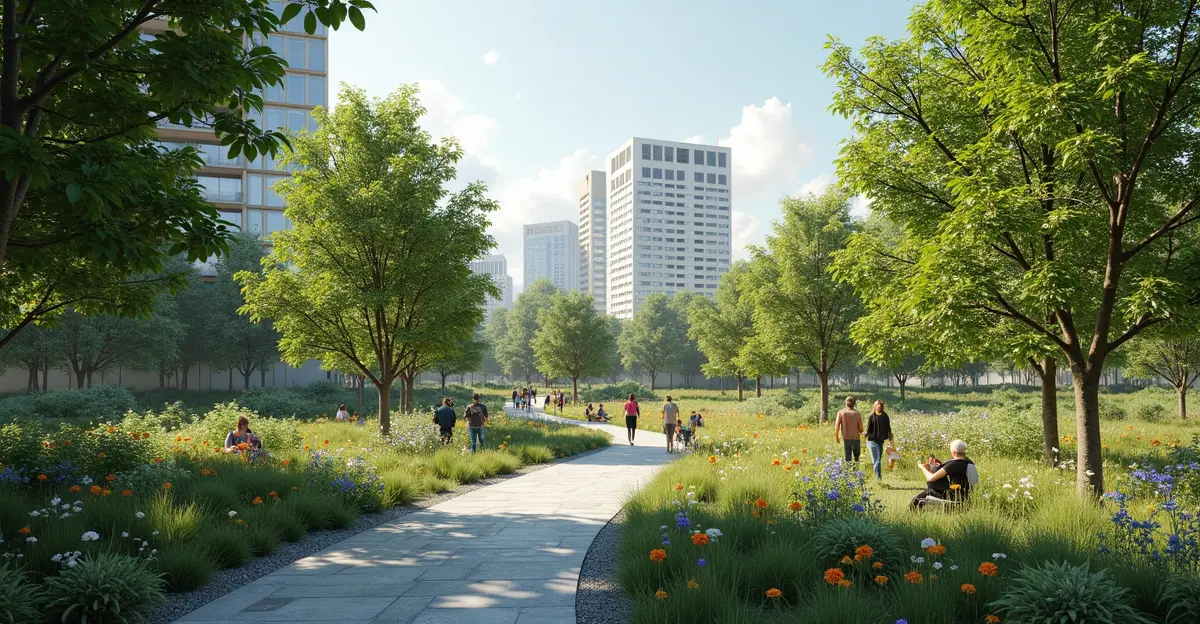
A new urban park has officially opened its gates, representing a significant step forward in creating green spaces that serve both human communities and local ecosystems. The park, which features innovative design elements focused on biodiversity programming and sustainable maintenance plans, aims to become a model for urban green space development across the country.
Design Philosophy: Balancing Human Needs with Ecological Integrity
The park's design incorporates principles from the latest research on urban green spaces. According to a groundbreaking University of Florida study, thoughtful urban park design can successfully support both human recreation and wildlife biodiversity. The research analyzed over 600 green spaces, finding that park size strongly predicts both human utility and biodiversity.
'We've learned that there are key trade-offs to consider,' explains lead designer Jack Hansen. 'Features like sports fields and playgrounds benefit people but can reduce habitat quality for sensitive species, while dense vegetation supports wildlife but may be underused by humans. Our design seeks to find that sweet spot where both can thrive.'
Biodiversity Programming: More Than Just Greenery
The park's biodiversity programming goes beyond simply planting trees. It includes:
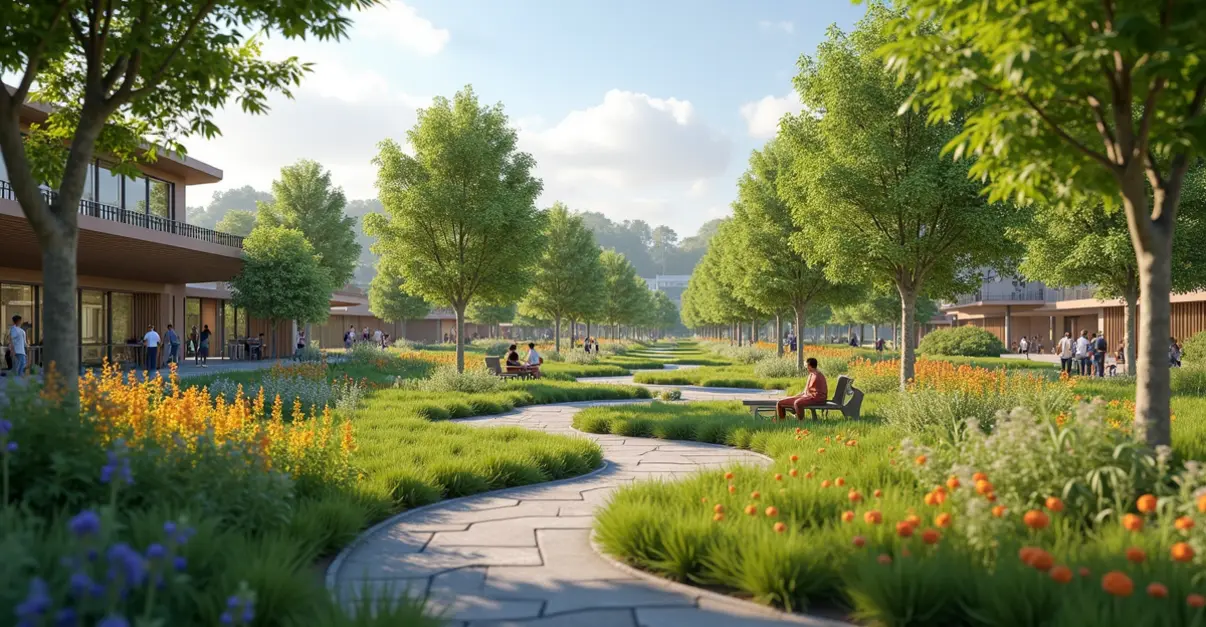
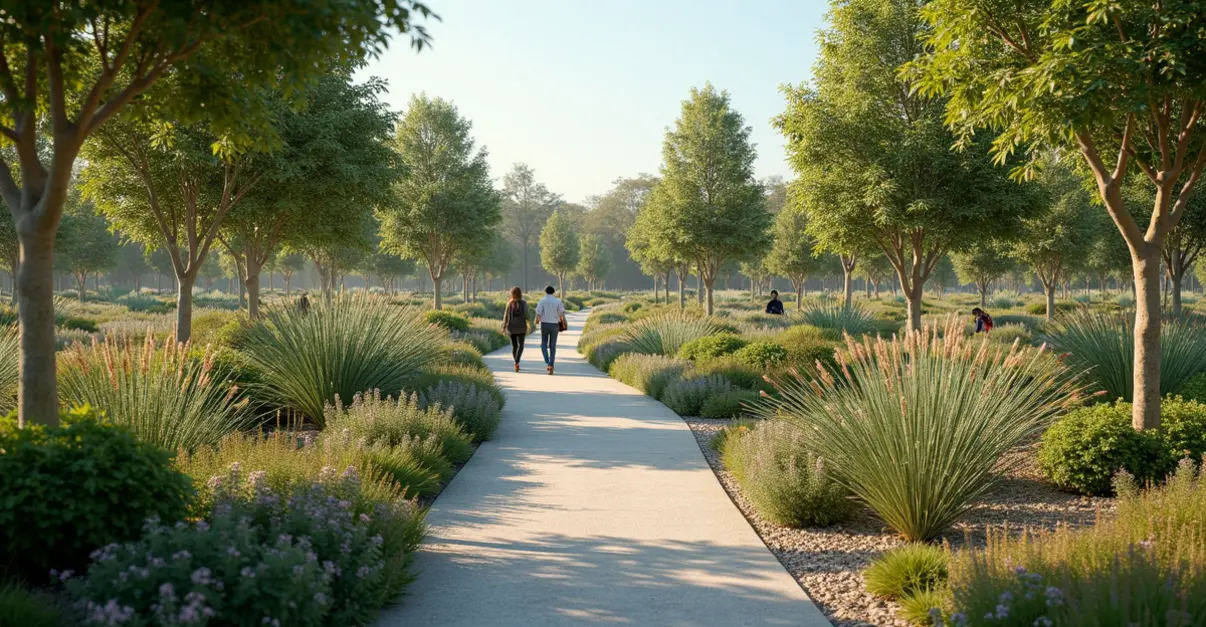
- Native plant corridors that connect fragmented habitats
- Pollinator gardens specifically designed for local bee and butterfly species
- Bird-friendly landscaping with nesting boxes and feeding stations
- Water features that support aquatic life while providing aesthetic value
- Citizen science stations where visitors can contribute to biodiversity monitoring
These elements align with findings from the Urban Park Biodiversity Enhancement Strategies scenario, which emphasizes transforming urban parks from aesthetic amenities to vital ecological systems.
Maintenance Plans: Sustainable Care for Long-Term Success
The park's maintenance strategy represents a departure from traditional approaches. Instead of frequent mowing and chemical treatments, the plan emphasizes:
- Integrated pest management using natural predators
- Rainwater harvesting for irrigation
- Composting of green waste on-site
- Seasonal rather than constant maintenance interventions
- Community volunteer programs for ongoing care
'Sustainable maintenance isn't just about saving money,' says Hansen. 'It's about creating a resilient ecosystem that requires less human intervention over time. We're designing with succession in mind—how the park will evolve naturally.'
Community Wellbeing: The Human Dimension
The park's design strongly emphasizes community wellbeing, drawing from research like the UN-Habitat report 'Healthier Cities and Communities Through Public Spaces' published in January 2025. This comprehensive document examines how well-designed public spaces contribute to healthier urban environments by promoting physical activity, social interaction, and mental wellbeing.
A recent study on urban park interventions found that enhancements like improved greenery, seating, lighting, walking trails, and playgrounds significantly increase park usability and appeal. Well-maintained environments and safety measures encourage frequent visits, while parks are perceived as restorative spaces fostering well-being and community belonging.
'We've incorporated walking trails of varying difficulty, meditation gardens, intergenerational play areas, and community gathering spaces,' Hansen notes. 'The goal is to create a space where everyone—from children to seniors—can find something that supports their wellbeing.'
Economic and Social Benefits
Beyond environmental and health benefits, the park is expected to deliver significant economic returns. According to analysis of urban park investments, every dollar invested in quality park infrastructure generates approximately $3 in economic returns through increased property values, tourism revenue, and job creation.
The park also addresses social inclusion, particularly for vulnerable groups. Research on urban park design from the perspective of environmental perception explores how thoughtful landscape planning can enhance well-being and social inclusion for marginalized populations.
Looking Forward: A Model for Future Development
As cities worldwide grapple with urbanization pressures and climate change, this park represents a new approach to urban green space development. By integrating biodiversity programming with community wellbeing considerations and sustainable maintenance practices, it offers a replicable model for other municipalities.
'This isn't just a park—it's a living laboratory,' concludes Hansen. 'We'll be monitoring everything from species diversity to visitor satisfaction, and sharing what we learn with other communities. In an increasingly urbanized world, we need green spaces that work harder for both people and planet.'
The park opens to the public this weekend, with guided tours and community activities planned throughout the month to introduce residents to its unique features and programming.

Follow Discussion