
 Deutsch
 English
 Español
 Français
 Nederlands
 Português

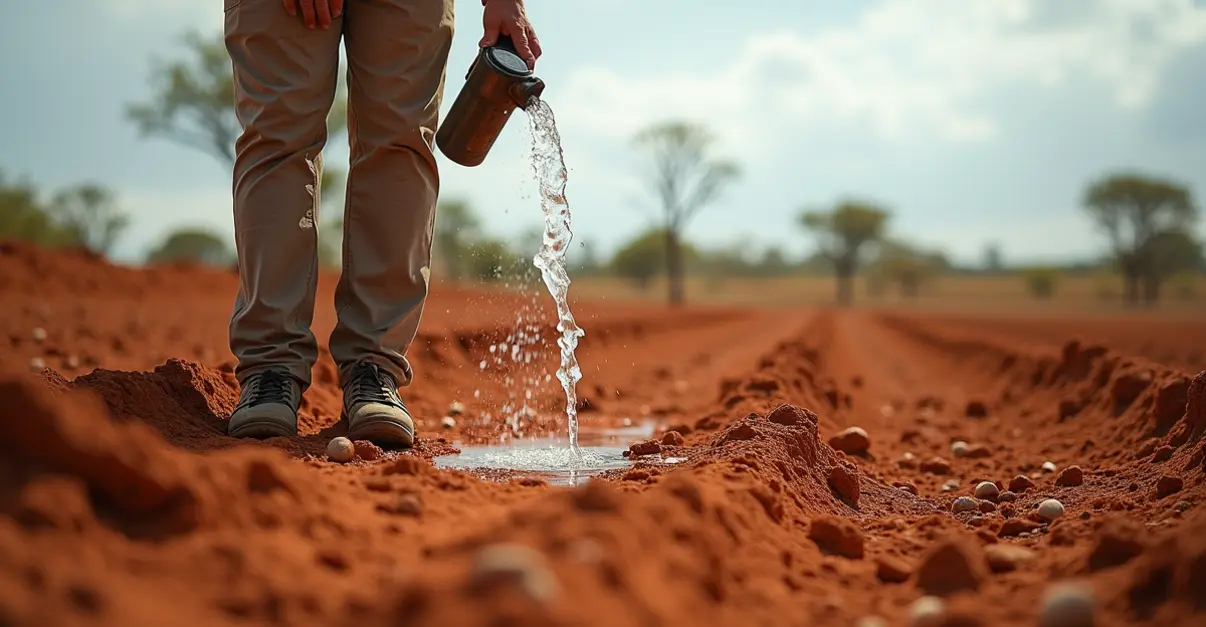





Australia's Water Emergency: Reservoirs Hit Critical Levels
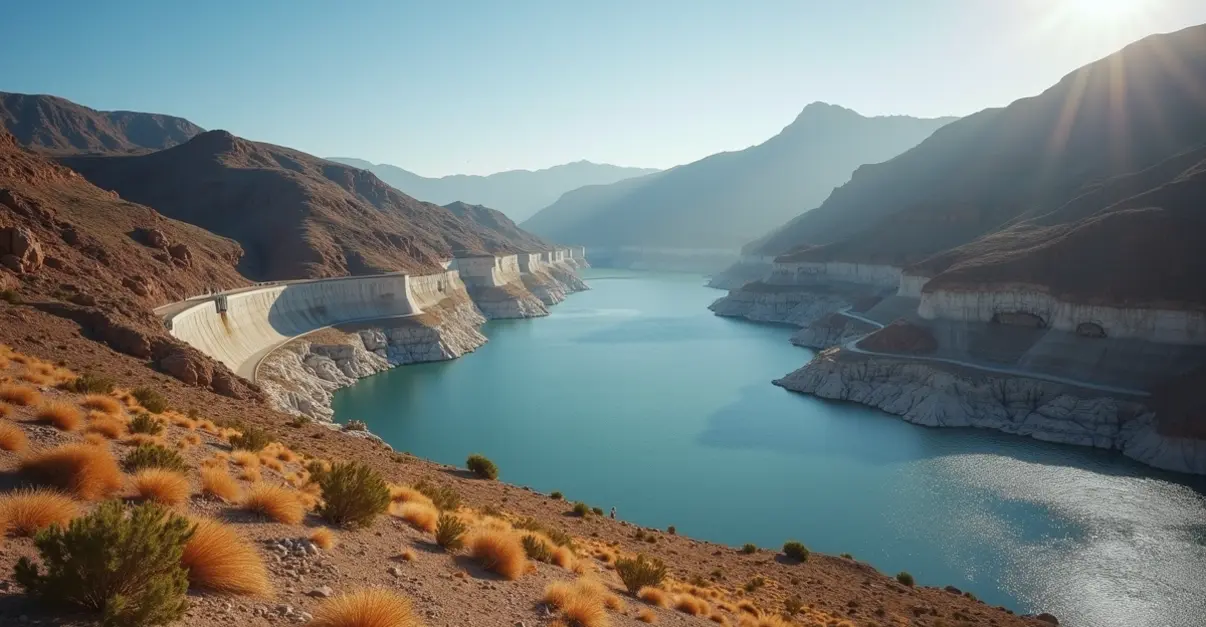
Australia is facing one of its most severe water crises in decades as reservoir levels across the country plummet to dangerously low levels, prompting emergency drought measures that are reshaping water policy, agricultural markets, and community life. With climate change intensifying drought conditions, authorities have been forced to implement unprecedented water restrictions and emergency protocols to safeguard dwindling water supplies.
The situation has become particularly dire in the Murray-Darling Basin, Australia's largest river system that supports over 3 million people and produces about 40% of the nation's agricultural output. According to the Murray-Darling Basin Authority, the current drought has exposed fundamental vulnerabilities in Australia's water management systems, with some reservoirs operating at less than 30% capacity.
Emergency Measures and Policy Shifts
Federal and state governments have activated emergency drought response plans that include strict water allocation cuts for agricultural users, urban water restrictions in major cities, and emergency funding for drought-affected communities. The Australian Government Drought Plan has been fully implemented, providing a framework for coordinated action across jurisdictions.
Dr. Sarah Chen, a water policy expert at the University of Melbourne, explains the gravity of the situation: 'What we're seeing is not just another drought cycle - this is a fundamental shift in Australia's water security paradigm. The emergency measures being deployed today will likely become standard operating procedures in the future as climate change accelerates.'
Key emergency measures include:
- Stage 4 water restrictions in several regional towns
- Emergency water carting to remote communities
- Priority water allocations for critical human needs
- Temporary suspension of irrigation licenses in hardest-hit areas
- Increased water trading restrictions to prevent market manipulation
Market Impacts and Agricultural Consequences
The drought emergency is sending shockwaves through agricultural markets, with water prices in some irrigation districts skyrocketing by over 300% in the past year. Farmers are facing impossible choices between watering crops or maintaining livestock, with many being forced to destock herds and reduce planting areas.
John Peterson, a third-generation farmer in the Riverina region, describes the personal toll: 'We've reduced our cotton planting by 70% and sold off half our cattle. The water allocation cuts mean we're basically farming on hope at this point. The emergency measures are necessary, but they're devastating for rural communities.'
The research on Australia's drought management policies highlights how current approaches remain crisis-driven rather than focused on long-term resilience building. This emergency has exposed the limitations of Australia's historical drought response strategies.
Community Resilience and Indigenous Knowledge
Amid the crisis, there's growing recognition of the need to incorporate Indigenous knowledge into water management. The CSIRO's Drought Resilience Mission, backed by $519.1 million in government funding, is pioneering approaches that integrate Traditional Custodian knowledge with scientific research.
Professor Michael Torres, lead researcher on the project, notes: 'Indigenous Australians have managed this landscape through droughts for thousands of years. Their cultural knowledge about water sources, seasonal patterns, and sustainable practices offers invaluable insights for contemporary water management.'
The program includes developing drought-resistant forage plants like Anameka Saltbush, with over 6 million shrubs already planted by more than 325 producers, and creating the My Climate View tool that provides 50-year climate projections for agricultural planning.
Climate Change and Future Projections
New research from the University of Technology Sydney reveals that climate change, not just water extraction, is a major factor in declining river flows. The study found significant decreases in rainfall during crucial autumn months since the 1990s, caused by shifts in atmospheric circulation due to climate change.
According to the Murray-Darling Basin Authority's 2050 climate outlook, the basin is "virtually certain" to become hotter and drier if current water management arrangements remain unchanged. Temperatures are expected to rise 1.3-1.8°C above 1990 levels, increasing evaporation and reducing water availability.
Drought frequency could increase from every 20 years to every 14 years, threatening water security for millions who rely on the basin's rivers. Native fish species face decline or extinction, with 16% already threatened, and harmful algal blooms may become more frequent.
Path Forward: Policy Reforms and Adaptation
As emergency measures continue, policymakers are grappling with the need for fundamental reforms to Australia's water governance. The Murray-Darling Basin Plan will be reviewed in 2026, with experts urging communities to prepare for climate change impacts through better water management and adaptation strategies.
Water Minister Claire Richardson emphasizes the need for systemic change: 'This emergency has shown us that piecemeal solutions won't work. We need integrated water management that considers climate projections, incorporates traditional knowledge, and builds genuine resilience in our communities and ecosystems.'
The current crisis serves as a stark warning about Australia's water future. As reservoir levels continue to drop and emergency measures become normalized, the nation faces difficult choices about water allocation, agricultural sustainability, and community survival in an increasingly arid continent.


Follow Discussion