
 Deutsch
 English
 Español
 Français
 Nederlands
 Português






Record-Breaking Heatwave Grips Europe as Cities Scramble to Respond
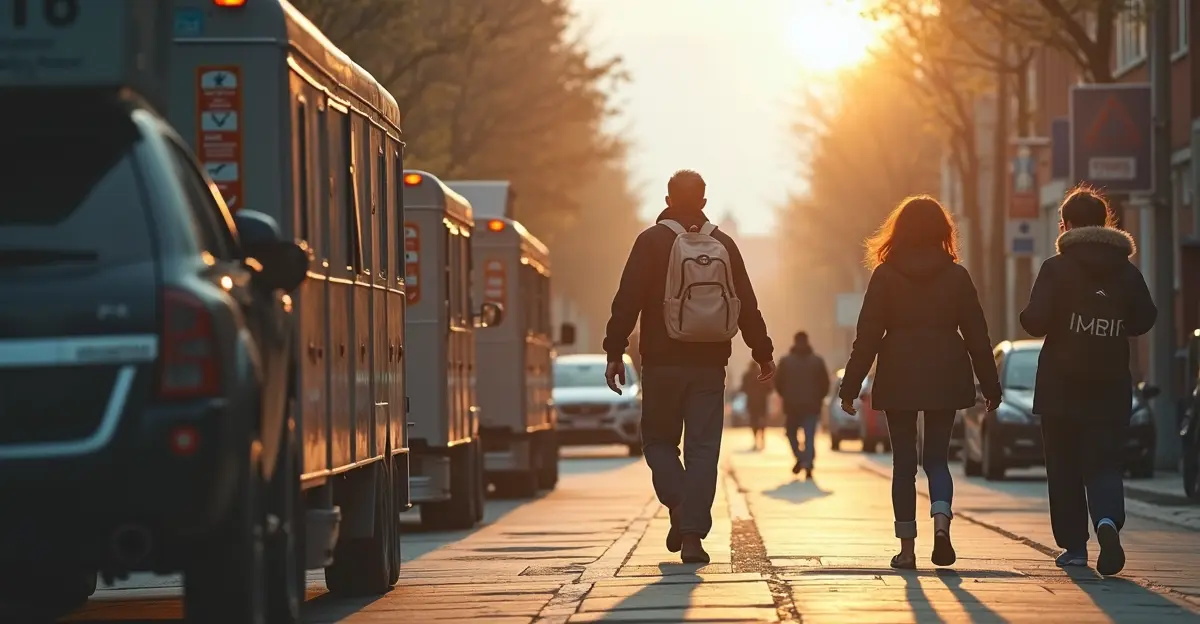
Europe is facing one of its most severe heatwaves in decades, with temperatures soaring above 45°C (113°F) in some regions during July 2025. Municipalities across the continent are implementing emergency measures to protect vulnerable populations, with cooling centers and health system preparations taking center stage in the response to what experts are calling a 'climate emergency in real-time.'
Municipal Cooling Centers: A Lifeline for Vulnerable Residents
From Paris to Madrid, cities are transforming public buildings into climate shelters. In Spain, where Seville recorded a staggering 46°C, municipal authorities have opened cooling centers in libraries, community centers, and even shopping malls. 'We've never seen temperatures like this so early in the summer,' says Dr. Elena Rodriguez, a public health official in Madrid. 'Our cooling centers are operating at full capacity, providing not just air conditioning but also medical check-ups and hydration stations.'
France has activated its national heatwave plan, with Paris opening over 50 'cool rooms' across the city. These facilities are equipped with medical staff and social workers to assist elderly residents who are particularly vulnerable to heat-related illnesses. The French approach builds on lessons from the devastating 2003 heatwave that claimed over 14,000 lives in France alone, according to Wikipedia data.
Health System Preparations Under Strain
Hospitals across Europe are reporting increased admissions for heat exhaustion, dehydration, and aggravated cardiovascular conditions. The UK's Health Security Agency has issued an amber alert, while Italy has implemented work restrictions for outdoor laborers during peak heat hours. 'Our emergency departments are seeing a 40% increase in heat-related cases,' reports Dr. Marco Bianchi, an emergency physician in Rome. 'We've had to postpone non-urgent surgeries to free up beds and staff for the heatwave crisis.'
Germany has established medical hotlines specifically for heat-related concerns, while the Netherlands has deployed mobile medical teams to check on isolated elderly residents. The European Heatwave Emergency Services website, as reported by emergency services sources, provides critical information with three alert levels: Red (Extreme Danger), Orange (High Risk), and Yellow (Moderate Risk).
Innovative Urban Cooling Strategies
Beyond emergency responses, cities are implementing long-term cooling solutions. Antwerp has created 'Cool Spots' - shaded public spaces with canopy cover and drinking water, guided by heat mapping technology. Valencia has established a network of climate shelters in public buildings offering thermal comfort during heatwaves, as detailed in ArchDaily's analysis.
Toulouse launched the 'Toulouse + fraîche' plan with 30 experimental measures including shading structures and extensive tree planting. These initiatives represent a shift from reactive emergency responses to proactive urban design that integrates cooling infrastructure into public spaces.
The Climate Change Connection
Scientists are clear about the connection between these extreme heat events and climate change. 'This isn't just a bad summer - it's what climate change looks like,' says climate researcher Dr. Sofia Müller from the Potsdam Institute. 'The frequency and intensity of heatwaves in Europe have increased dramatically over the past two decades, and this trend will continue unless we take decisive action on emissions.'
According to World Resources Institute analysis cited in WRI research, Europe is the world's fastest-warming continent, and under a 3°C global warming scenario, Europe's largest cities could see 53% more days above 35°C. Heat-related deaths are already significant, with 175,000 annual deaths across Europe.
Looking Ahead: Building Climate Resilience
As the heatwave continues through late July, authorities are emphasizing both immediate protection and long-term adaptation. The Swimmable Cities Alliance is promoting reclaiming urban waterways as accessible cooling spaces, while cities are investing in green infrastructure like parks, green roofs, and reflective building materials.
'We need to rethink our cities for a hotter future,' says urban planner Carlos Mendez, the author of this report. 'Cooling centers are essential emergency measures, but we also need fundamental changes in urban design, building standards, and public health infrastructure to protect our communities in the decades to come.'
With climate projections indicating more frequent and intense heatwaves, European cities face the dual challenge of responding to immediate emergencies while building long-term resilience against a warming climate.



Follow Discussion