


 Deutsch
 English
 Español
 Français
 Nederlands
 Português


 Share
Share




Major Stadium Hosts Carbon Neutral Championship
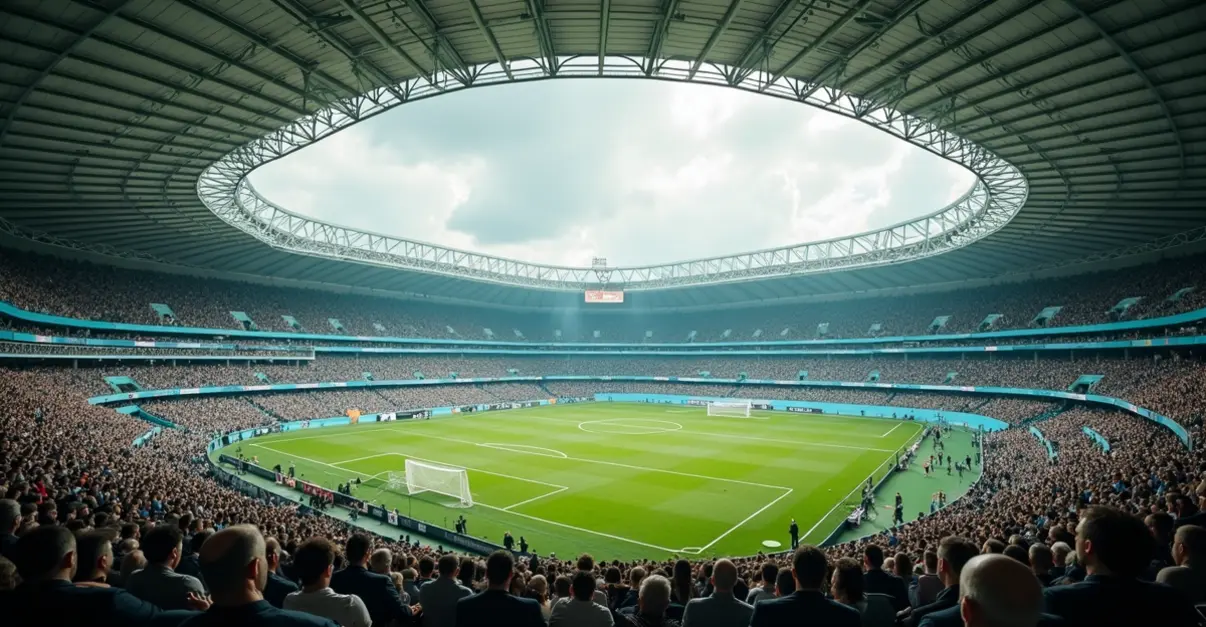
In a groundbreaking move for the sports industry, a major stadium has successfully hosted a carbon-neutral championship event, setting new standards for environmental responsibility in large-scale sports entertainment. The event, which took place in early 2025, implemented comprehensive sustainability measures across three key areas: renewable energy sourcing, waste reduction, and legacy projects that will benefit the local community for years to come.
Renewable Energy Revolution
The stadium achieved its carbon-neutral status primarily through extensive renewable energy integration. According to sustainability experts, the venue utilized a combination of solar panels, wind turbines, and energy storage systems to power the entire championship event. 'This represents a paradigm shift in how we think about energy consumption in sports,' said Dr. Maria Chen, a sustainability consultant who worked on the project. 'We're proving that even the most energy-intensive events can operate without fossil fuels.'
The stadium's solar array, consisting of over 4,000 panels similar to those at Mercedes-Benz Stadium in Atlanta, generated approximately 1.6 million kWh of electricity during the championship period. This was supplemented by on-site wind turbines and Tesla Powerpack energy storage systems, ensuring reliable power even during peak demand periods.
Waste Management Innovation
The championship implemented a zero-waste program that diverted 97% of event waste from landfills, surpassing even the impressive 86% recycling rate achieved by Wembley Stadium. All food containers, utensils, and packaging were either compostable or recyclable, with clearly marked disposal stations throughout the venue.
'We educated over 50,000 fans about proper waste sorting during the event,' explained stadium operations manager James Rodriguez. 'The response was overwhelmingly positive - people want to participate in sustainability efforts when given clear guidance and convenient options.' The organic waste collected was converted into nutrient-rich compost that will be used in local urban farming projects.
Water Conservation and Smart Technology
Water conservation played a crucial role in the stadium's sustainability strategy. The venue implemented advanced water recycling systems similar to those at SoFi Stadium in Los Angeles, saving millions of gallons through low-flow fixtures and specialized irrigation systems. Digital twin technology provided real-time monitoring of water and energy usage, allowing for immediate adjustments to optimize efficiency.
The stadium also featured energy-efficient LED lighting that reduced energy consumption by up to 75% compared to traditional lighting systems. Smart building controls automatically adjusted temperature and lighting based on occupancy levels, further minimizing the environmental footprint.
Transportation and Fan Engagement
To address transportation-related emissions, the championship organizers partnered with local transit authorities to provide free public transportation for ticket holders. Over 70% of attendees arrived via public transit, electric vehicles, or bicycles, significantly reducing the carbon footprint associated with travel. The stadium offered more than 100 EV charging stations, encouraging sustainable transportation choices.
'We wanted to create a holistic sustainability experience,' said event director Sarah Johnson. 'It's not just about what happens inside the stadium - it's about the entire fan journey, from how people get here to what they do with their waste.'
Legacy Projects and Community Impact
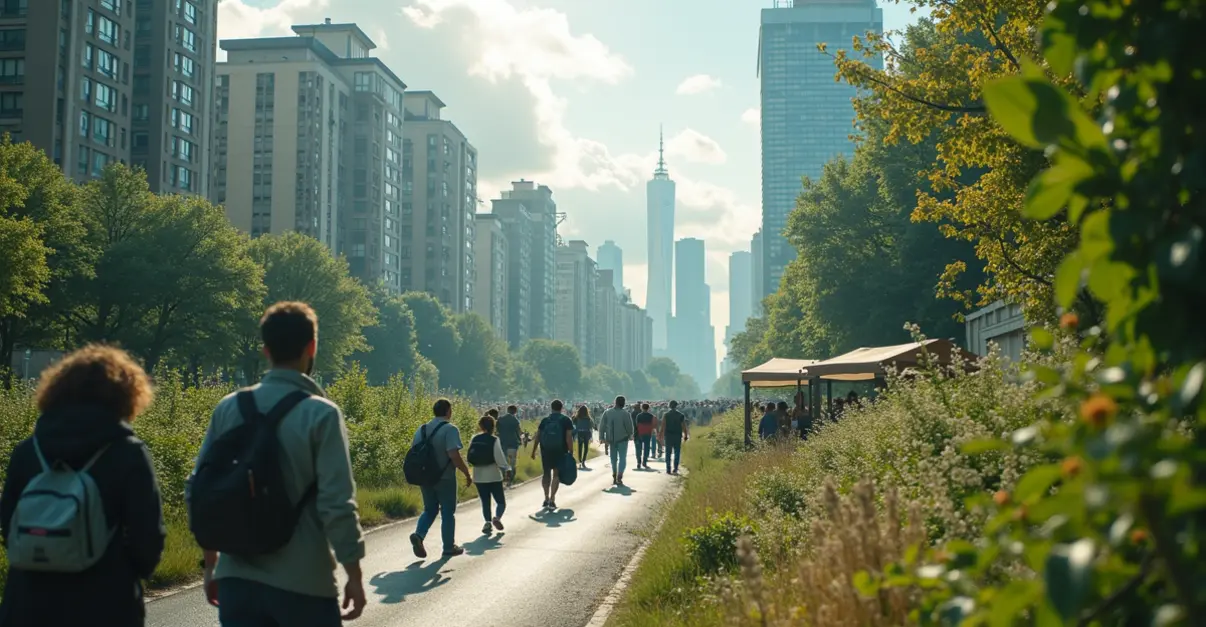
Perhaps the most innovative aspect of the championship was its focus on legacy projects. A portion of ticket revenue was allocated to fund renewable energy installations at local schools and community centers. Additionally, the stadium partnered with environmental organizations to create urban green spaces and tree-planting initiatives in surrounding neighborhoods.
The championship achieved LEED Platinum certification, the highest level of recognition for sustainable building design and operation. 'This event demonstrates that carbon neutrality is achievable for major sports championships,' noted environmental scientist Dr. Robert Kim. 'The technologies and strategies implemented here can serve as a blueprint for future events worldwide.'
Looking ahead, stadium officials plan to maintain their carbon-neutral operations for all future events and are exploring additional innovations like carbon capture systems and regenerative agriculture partnerships. The success of this championship has already inspired other sports venues to accelerate their sustainability timelines, signaling a transformative shift in how the sports industry approaches environmental responsibility.




Follow Discussion