Nederlands
 English
 Deutsch
 Français
 Español
 Português





Major Plastic Reduction Regulations Take Effect Nationwide
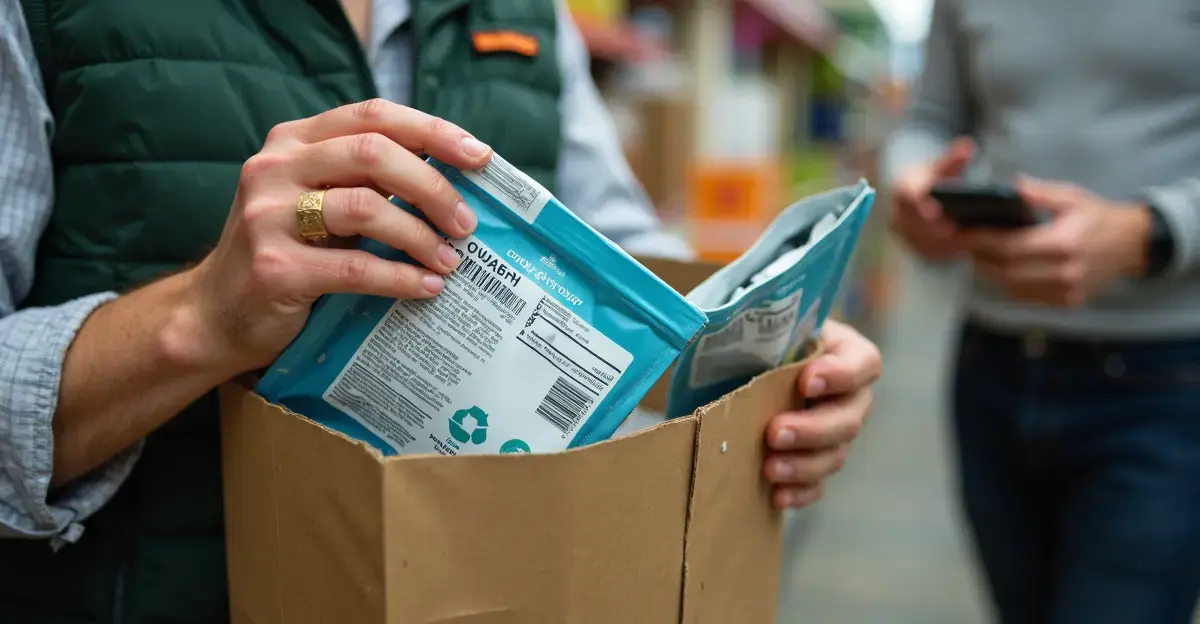
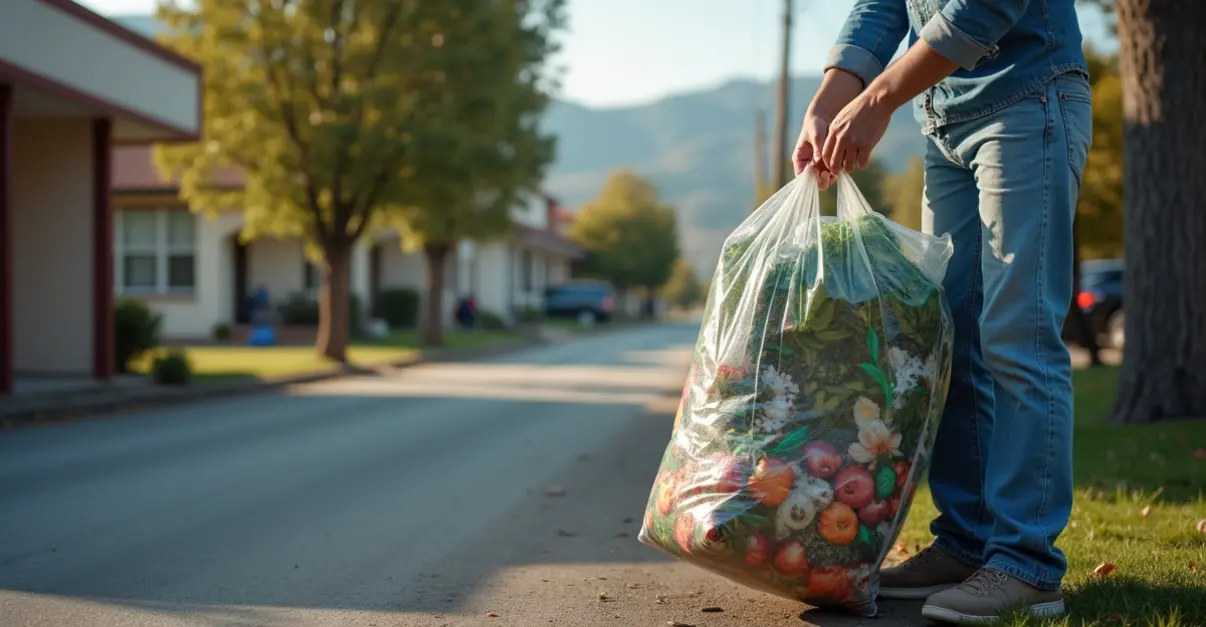
Across the United States, a sweeping wave of Extended Producer Responsibility (EPR) regulations is fundamentally reshaping how plastic packaging waste is managed. With seven states now implementing comprehensive plastic reduction laws and more considering similar legislation, 2025 marks a pivotal year for environmental policy and corporate compliance. These regulations shift the financial and operational burden of recycling from municipalities and taxpayers to the producers who create packaging in the first place.
What Extended Producer Responsibility Means for Businesses
Extended Producer Responsibility is an environmental policy approach that makes manufacturers responsible for the entire lifecycle of their products, including take-back, recycling, and final disposal. As defined by the OECD, EPR uses financial incentives to encourage manufacturers to design environmentally friendly products by holding them accountable for end-of-life management costs. 'This isn't just about recycling—it's about redesigning our entire approach to packaging from the ground up,' says environmental policy expert Dr. Maria Chen.
The concept, first formally introduced in Sweden in 1990, has evolved into a comprehensive regulatory framework that's now being implemented across multiple U.S. states. Producers must now internalize waste management costs that were previously borne by local governments, creating powerful economic incentives for sustainable design.
State-by-State Implementation Timelines
The regulatory landscape varies significantly by state, with different compliance deadlines and requirements:
California's SB 54, one of the most comprehensive laws, mandates a 25% reduction in single-use plastic packaging by 2032 from a 2023 baseline of 2.9 million tons. Registration for producers opened in August 2025, with the first reporting deadline of August 31, 2025, for data covering the first half of the year. 'California is setting the pace for the nation with ambitious targets and clear enforcement mechanisms,' notes regulatory compliance attorney James Rodriguez.
Oregon requires registration and fee payments by July 2025, with the first reporting deadline having passed on March 31, 2025, for 2024 data. The state's program emphasizes producer responsibility organizations (PROs) that manage compliance on behalf of multiple companies.
Colorado completed its registration process in 2024, with fee payments scheduled to begin in 2026. The state approved the Circular Action Alliance's program plan, starting a six-month countdown for implementation by June 9, 2026.
Maine, the pioneer with its 2021 law, is currently soliciting a stewardship organization, with program launch expected in 2026 and first municipal reimbursements in 2027.
Minnesota passed its legislation in May 2024 with a July 2025 registration deadline, while Maryland and Washington both signed their laws in May 2025 with implementation timelines extending into 2026.
Collection Systems and Enforcement Mechanisms
The heart of these regulations lies in the collection systems and enforcement frameworks being established. Most states are adopting a PRO model, where producers join organizations like the Circular Action Alliance (CAA) that manage compliance across multiple states. The CAA serves as the sole Producer Responsibility Organization for California, Colorado, and Oregon, streamlining the process for companies operating in multiple jurisdictions.
Collection systems vary by state but generally involve:
1. Detailed data reporting by material type and weight
2. Eco-modulated fee payments based on packaging sustainability
3. Compliance with state-specific recycling targets
4. Registration with approved PROs
'The enforcement mechanisms are designed to be both rigorous and practical,' explains sustainability consultant Lisa Thompson. 'States are implementing graduated penalties that start with warnings and progress to significant fines for persistent non-compliance.'
According to compliance experts, initial producer fee invoices are expected in July 2025, with fee schedules to be finalized in June. The fee structures are designed to reward sustainable packaging choices while penalizing difficult-to-recycle materials.
Broader Implications and Industry Response
The National Waste & Recycling Association has published its policy position on EPR, highlighting both challenges and opportunities for the waste management industry. Meanwhile, in Europe, the Packaging and Packaging Waste Regulation (PPWR) 2025 entered force on February 11, 2025, representing the continent's most significant packaging legislation in three decades.
Industry response has been mixed but generally cooperative. 'While there are certainly implementation challenges, most responsible companies recognize that sustainable packaging is both an environmental imperative and a business necessity,' says corporate sustainability director Michael Wong.
The regulations are driving innovation in packaging design, with companies exploring alternatives to traditional plastics, improving recyclability, and reducing overall packaging weight. The economic incentives created by EPR are accelerating research into biodegradable materials, reusable packaging systems, and advanced recycling technologies.
As these regulations continue to roll out across the country, they represent a fundamental shift in how society manages packaging waste—from a linear 'take-make-dispose' model to a circular economy where materials are continuously reused and recycled. The success of these programs will depend not only on regulatory enforcement but also on continued innovation and collaboration between government, industry, and consumers.