
 Deutsch
 English
 Español
 Français
 Nederlands
 Português

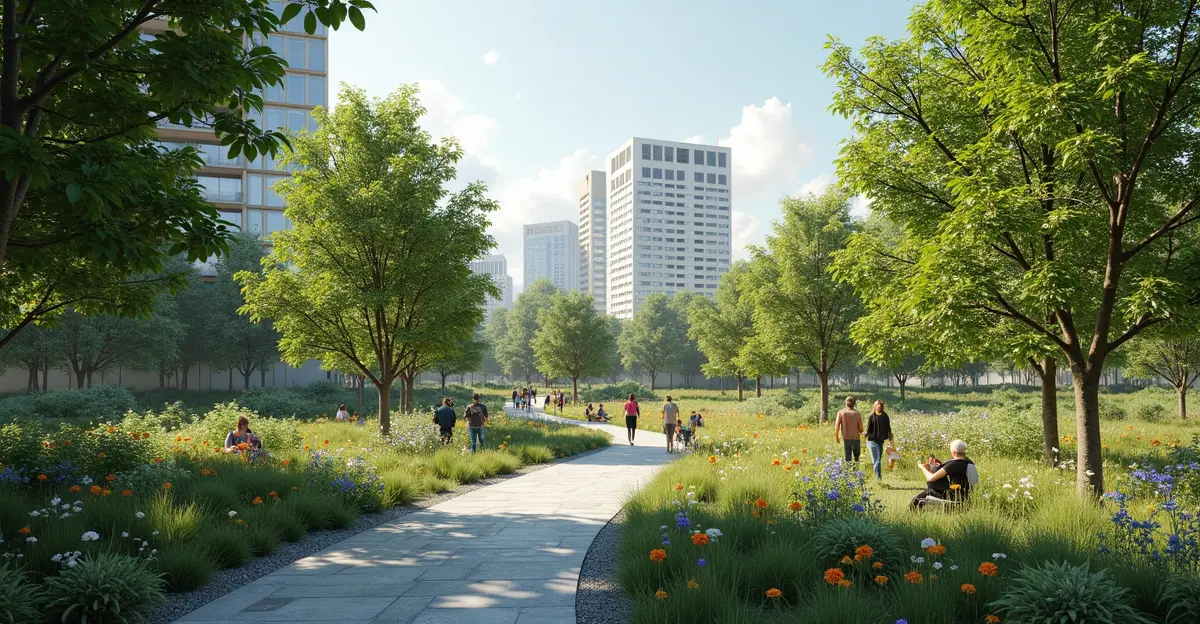





Urban Oasis Launches with Focus on Biodiversity and Community Health
A new urban park has officially opened its gates, representing a significant step forward in creating sustainable, health-focused green spaces within city environments. Designed with both ecological and social benefits in mind, this park aims to serve as a model for how urban development can prioritize community wellbeing while enhancing local biodiversity.
Design Features That Connect People and Nature
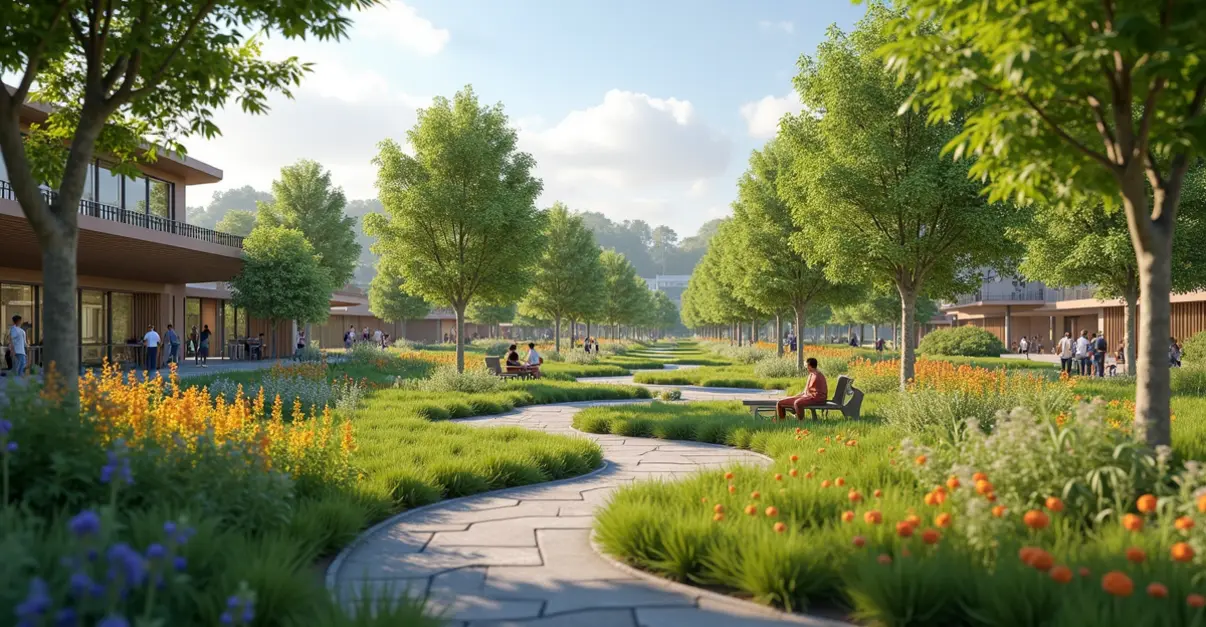
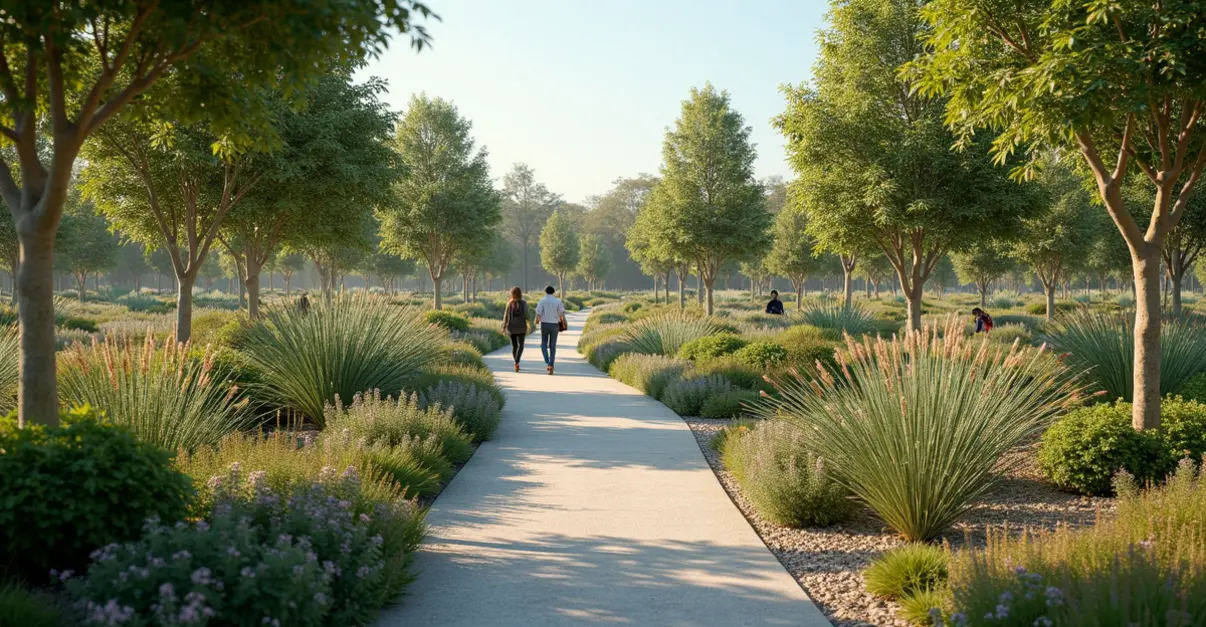
The park's design incorporates several innovative features that distinguish it from traditional urban green spaces. Rather than focusing solely on aesthetic appeal, the landscape architects have implemented what experts call 'biodiversity-sensitive design.' This approach includes layered planting with native species, living soil systems, and habitat structures that support local wildlife while providing educational opportunities for visitors.
Dr. Elena Rodriguez, an urban ecologist consulted on the project, explains: 'What makes this park special is how it moves beyond decorative greenery to create functional ecosystems. We're seeing a shift in urban planning where parks are designed as infrastructure that provides cooling, flood mitigation, cleaner air and water, while also fostering community stewardship.'
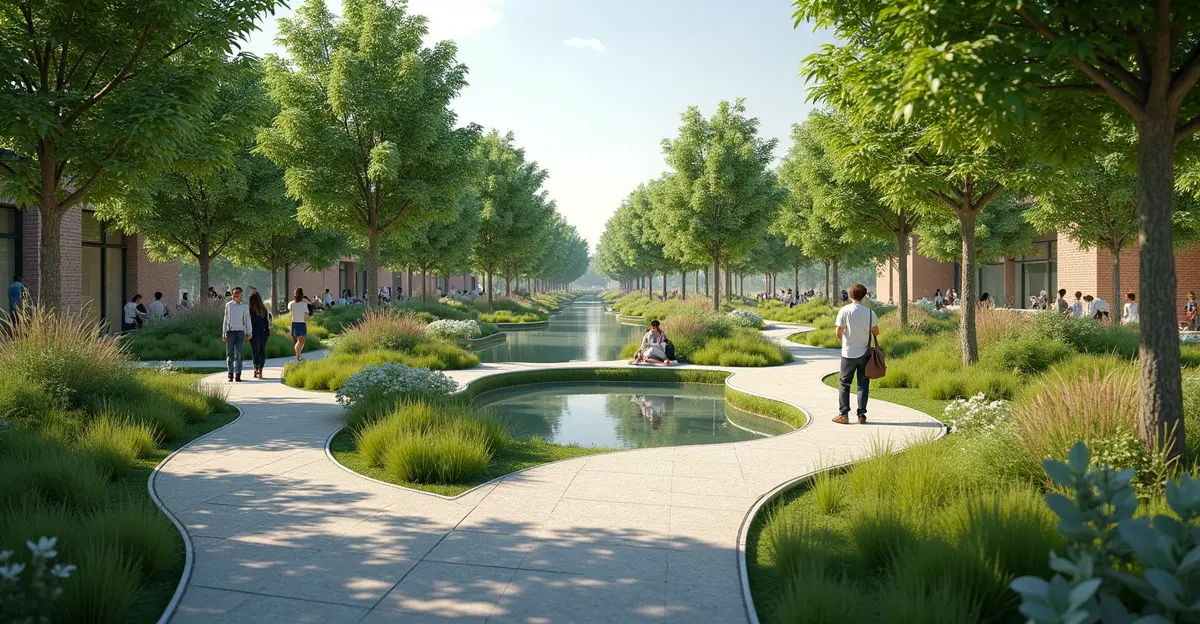
The design includes blue-green systems that manage water as a resource rather than waste, similar to successful projects in Bogotá and Shenzhen. These systems help mitigate urban heat island effects while creating habitats for aquatic species.
Biodiversity Benefits Beyond Aesthetics
Research increasingly shows that thoughtfully designed city parks can successfully support both human recreation and wildlife conservation. According to a recent Nature Reviews Biodiversity article, urban biodiversity serves as people's primary contact with nature and provides substantial benefits including climate change mitigation and adaptation, human health improvements, and environmental pressure reduction.
The park incorporates ecological corridors that connect fragmented habitats, following the 'Stitch Sites Together' principle highlighted in recent urban biodiversity trends. This approach helps create continuous green networks that allow species to move safely through urban areas.
Maria Chen, a landscape architect involved in the project, notes: 'We've designed spaces that don't force a choice between human enjoyment and ecological value. With proper planning, urban parks can achieve both objectives simultaneously. Our research shows that native plant species and diverse habitat structures can support pollinators, birds, and small mammals while still providing beautiful spaces for people.'
Community Programming for All Ages
The park's programming represents a comprehensive approach to community engagement. Regular activities include nature education workshops for children, guided biodiversity walks, community gardening plots, and outdoor fitness classes. Special attention has been given to creating inclusive programming that serves diverse age groups and abilities.
According to the National Recreation and Park Association, effective park programming should address multiple community needs including youth development, healthy aging, environmental education, and health equity. This park's programming framework aligns with these best practices, incorporating elements from successful models across the country.
Local resident James Wilson shares his perspective: 'What I appreciate most is how the park brings different parts of our community together. There are activities for seniors, spaces for families with young children, and areas where teenagers can gather safely. It's become a true community hub in just a short time.'
Sustainable Maintenance Plan
A detailed maintenance plan ensures the park's long-term sustainability and ecological health. The plan includes regular monitoring of biodiversity indicators, sustainable water management practices, and community involvement in maintenance activities. This approach follows modern park management best practices that emphasize digital solutions and data-driven decision making.
The maintenance strategy incorporates lessons from successful implementations in cities like Plano, Texas, where technology has transformed park operations by enabling more efficient resource allocation and streamlined maintenance workflows. The plan also includes protocols for balancing development pressures with green space preservation, ensuring the park remains a valuable community asset for years to come.
Park manager Sarah Johnson explains: 'Our maintenance plan isn't just about keeping the grass cut. We're implementing a holistic approach that monitors ecosystem health, engages community volunteers, and uses technology to optimize our operations. We've learned from cities that have successfully maintained green spaces despite budget constraints.'
The Future of Urban Green Spaces
This park opening comes at a critical time when cities worldwide are recognizing the importance of urban biodiversity and community wellbeing. As noted in the Holcim Foundation's analysis of urban biodiversity trends, successful urban parks now 'pair ecological infrastructure with social amenities,' creating spaces that serve both environmental and community needs.
The project demonstrates how urban policies can adopt cross-sectional approaches that coordinate biodiversity planning with health, education, and urban design sectors. As cities continue to grow and densify, such integrated approaches will become increasingly important for creating sustainable, livable urban environments.
Looking forward, the park's designers and managers plan to collect data on its environmental and social impacts, contributing to the growing body of research on effective urban green space design. Their findings may help inform future park developments in cities around the world, advancing the global movement toward more biodiverse and community-centered urban landscapes.

Follow Discussion